
African American Church Services: A Celebration of Faith, Heritage, and Community
By Michael King
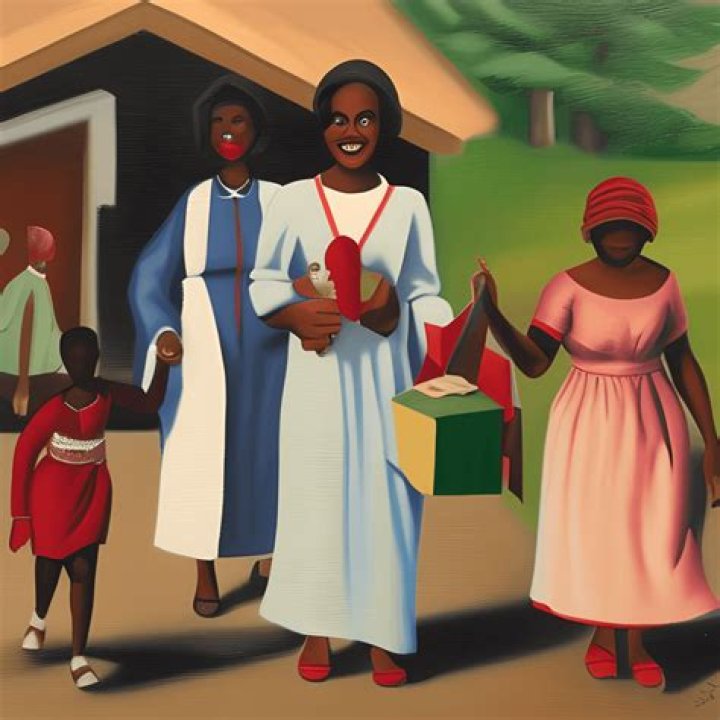
African American church services represent a vibrant tapestry of faith, culture, and history that has played a pivotal role in shaping the African American experience in the United States. These services are not just spiritual gatherings but also serve as a cornerstone of identity, resilience, and empowerment for many communities. The rich traditions and practices within these services reflect the deep-rooted values and beliefs that have been passed down through generations.
For centuries, African American churches have stood as pillars of strength, offering solace, guidance, and inspiration to their congregations. They have been at the forefront of social justice movements, providing a platform for voices that might otherwise go unheard. In this article, we will delve into the significance, history, and cultural impact of African American church services, exploring how they continue to influence modern society.
This exploration will cover various aspects of these services, including their historical evolution, musical traditions, liturgical practices, and the role they play in addressing contemporary issues. By understanding the depth and complexity of African American church services, we can gain a greater appreciation for their enduring legacy and relevance today.
The Historical Evolution of African American Church Services
The history of African American church services is deeply intertwined with the African American struggle for freedom and equality. During the era of slavery, enslaved Africans found refuge in their faith, often holding secret gatherings to worship without the interference of their oppressors. These clandestine meetings laid the foundation for the development of unique spiritual practices that would later characterize African American church services.
As African Americans gained freedom, they established their own churches, creating spaces where they could worship freely and express their cultural identity. The African Methodist Episcopal (AME) Church, founded in 1816, was one of the first independent African American denominations, symbolizing the desire for autonomy and self-determination.
Key Milestones in the Evolution of African American Churches
- 18th Century: Formation of early African American congregations in the face of slavery.
- 19th Century: Establishment of independent denominations like the AME and AME Zion Churches.
- 20th Century: Churches becoming central to the Civil Rights Movement, with leaders like Martin Luther King Jr. emerging from the pulpit.
Today, African American churches continue to evolve, adapting to the changing needs of their communities while preserving the traditions that have sustained them through centuries of adversity.
The Role of Music in African American Church Services
Music is an integral part of African American church services, serving as a powerful expression of faith and emotion. From soul-stirring hymns to vibrant gospel choirs, the musical traditions within these services are rich and diverse, reflecting the cultural heritage of African Americans.
Characteristics of African American Gospel Music
- Call-and-Response: A style that encourages active participation from the congregation, fostering a sense of unity.
- Rhythmic Complexity: Incorporating elements of blues, jazz, and African rhythms, creating a dynamic and engaging soundscape.
- Emotional Depth: Lyrics that convey themes of hope, resilience, and redemption, resonating deeply with worshippers.
Studies have shown that music in African American church services not only enhances the spiritual experience but also contributes to mental and emotional well-being. According to a report by the Pew Research Center, music is one of the most cherished aspects of worship for African American congregants.
Liturgical Practices and Traditions
The liturgical practices of African American church services are steeped in tradition, yet they remain adaptable to the needs of modern congregations. These practices often include elements such as prayer, scripture reading, sermons, and communal rituals that emphasize community and fellowship.
Common Elements of African American Church Liturgy
- Prayer: A central component that connects worshippers to their faith and each other.
- Sermons: Delivered with passion and conviction, often addressing both spiritual and social issues.
- Communion: A sacred ritual that symbolizes unity and remembrance.
These liturgical practices not only reinforce the spiritual teachings of the church but also foster a sense of belonging among congregants. They provide a framework for worship that is both grounding and uplifting, allowing individuals to connect with their faith on a personal and communal level.
Building Community Through Church Services
African American church services are not just about worship; they are also about building and nurturing community. These services provide a space where individuals can come together, share experiences, and support one another through life's challenges.
Ways Churches Foster Community
- Outreach Programs: Initiatives that address social issues such as poverty, education, and healthcare.
- Family Gatherings: Events that bring families together, strengthening bonds and promoting unity.
- Mentorship Opportunities: Programs that offer guidance and support to younger generations.
Research conducted by the Johns Hopkins Medicine highlights the positive impact of community involvement through church activities on mental health and overall well-being. By fostering a sense of belonging, African American churches contribute to the holistic development of their congregants.
The Importance of Leadership in African American Churches
Leadership within African American churches plays a crucial role in shaping the spiritual and social direction of their congregations. Pastors and church leaders are often seen as both spiritual guides and community advocates, influencing the lives of their members both inside and outside the church.
Qualities of Effective Church Leaders
- Empathy: Understanding and addressing the needs of their congregation with compassion.
- Vision: Providing a clear and inspiring direction for the church's future.
- Advocacy: Standing up for social justice and equality within their communities.
Leadership in African American churches extends beyond the pulpit, with many pastors actively involved in community activism and policy-making. Their influence helps drive change and promote equity, making them vital figures in the fight for social justice.
Social Justice and Advocacy
African American church services have long been at the forefront of social justice movements, advocating for equality and human rights. From the Civil Rights Movement to contemporary issues like racial justice and economic inequality, these churches have played a pivotal role in shaping public discourse and driving change.
Contemporary Issues Addressed by Churches
- Racial Justice: Supporting movements like Black Lives Matter and advocating for systemic change.
- Economic Empowerment: Providing resources and education to promote financial literacy and entrepreneurship.
- Environmental Justice: Raising awareness about climate change and its impact on marginalized communities.
According to a report by the NAACP, African American churches continue to be powerful allies in the pursuit of social justice, leveraging their influence to effect meaningful change.
Educational Initiatives Within Churches
Education is a cornerstone of many African American church services, with a focus on empowering congregants through knowledge and skill development. These initiatives range from religious education to vocational training, offering a wide array of opportunities for personal and professional growth.
Types of Educational Programs
- Religious Education: Teaching the tenets of faith and scripture to children and adults alike.
- Vocational Training: Providing skills that enhance employability and economic stability.
- Higher Education Support: Offering scholarships and mentorship to aspiring students.
By prioritizing education, African American churches help bridge gaps in access to opportunities, ensuring that their communities have the tools they need to succeed.
Cultural Significance and Identity
African American church services are a celebration of cultural identity, preserving and promoting the rich heritage of African Americans. Through music, liturgy, and community engagement, these services honor the past while embracing the future.
Ways Churches Preserve Cultural Identity
- Traditional Practices: Maintaining rituals and customs that reflect African American history and culture.
- Cultural Celebrations: Hosting events that highlight the contributions of African Americans to society.
- Historical Education: Teaching the significance of historical figures and events within the community.
By fostering a strong sense of cultural identity, African American churches empower their congregants to embrace their heritage with pride and confidence.
Challenges Facing African American Churches Today
Despite their enduring legacy, African American churches face numerous challenges in the modern world. Issues such as declining attendance, financial constraints, and changing societal norms pose significant obstacles to their continued growth and influence.
Addressing Modern Challenges
- Engagement Strategies: Developing programs that appeal to younger generations and keep them connected to the church.
- Financial Sustainability: Exploring new revenue streams and fundraising opportunities to ensure long-term viability.
- Adaptation to Change: Embracing technology and modern practices to remain relevant in a rapidly evolving world.
By addressing these challenges proactively, African American churches can continue to thrive and serve as vital institutions within their communities.
The Future of African American Church Services
As we look to the future, the role of African American church services is poised to evolve further, adapting to the changing needs of their congregations while staying true to their core values. By embracing innovation and inclusivity, these services can continue to be a source of strength and inspiration for generations to come.
In conclusion, African American church services are more than just religious gatherings; they are a testament to the resilience, faith, and cultural richness of the African American community. By exploring their history, traditions, and impact, we gain a deeper understanding of their significance and the vital role they play in shaping the world around us.
Kesimpulan
African American church services have been and continue to be a cornerstone of faith, culture, and community for African Americans. From their historical roots in the struggle for freedom to their contemporary role in social justice and education, these services have demonstrated an unwavering commitment to uplifting and empowering their congregations.
We invite you to share your thoughts and experiences in the comments below. How have African American church services impacted your life or community? Consider exploring other articles on our site to learn more about the rich tapestry of African American history and culture.


