
Are Burmese Pythons Venomous? Exploring the Truth About These Majestic Reptiles
By Andrew Thornton
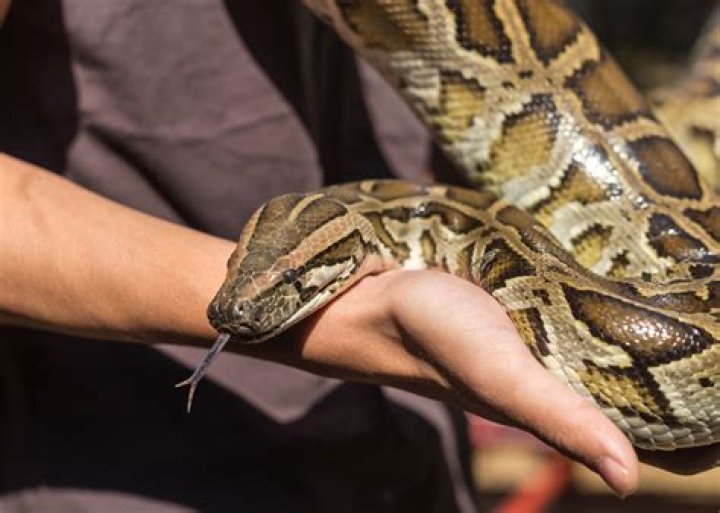
Are Burmese pythons venomous? This is a question that has intrigued reptile enthusiasts and casual observers alike. Often misunderstood, these magnificent creatures have captivated the attention of people worldwide. In this comprehensive guide, we will delve into the facts, dispel myths, and uncover the truth about Burmese pythons and their venomous nature.
As one of the largest snake species in the world, Burmese pythons (Python bivittatus) have earned both admiration and fear from humans. Their size and power make them formidable predators, but are they truly venomous? Understanding their biology, behavior, and ecological role is essential to answering this question accurately.
This article aims to provide you with accurate, detailed, and scientifically-backed information about Burmese pythons. By the end of this guide, you will have a clearer understanding of whether these snakes are venomous, how they hunt, and why they are important to ecosystems.
Introduction to Burmese Pythons
Burmese pythons are among the largest snakes in the world, native to Southeast Asia. They are non-venomous constrictors known for their impressive size and striking patterns. These snakes can grow up to 23 feet in length and weigh over 200 pounds, making them one of the most imposing reptiles on the planet.
Why Are They Misunderstood?
Despite their non-venomous nature, Burmese pythons are often misunderstood due to their intimidating appearance. Many people associate large snakes with danger, which leads to misconceptions about their venomous capabilities. In reality, these snakes rely on their physical strength rather than venom to subdue prey.
Importance in Ecosystems
Burmese pythons play a crucial role in maintaining ecological balance. As apex predators, they help control populations of small mammals and birds, preventing overpopulation and maintaining biodiversity. However, their introduction to non-native environments, such as the Everglades in Florida, has caused significant ecological challenges.
Are Burmese Pythons Venomous?
To address the central question of this article: are Burmese pythons venomous? The answer is a definitive no. Burmese pythons do not possess venom glands or fangs designed for injecting venom. Instead, they are constrictors, meaning they rely on their muscular strength to suffocate and kill their prey.
How Do They Subdue Prey?
Burmese pythons wrap their powerful bodies around their prey, tightening their grip with each exhale of the animal. This process, known as constriction, cuts off blood flow and oxygen supply, causing the prey to lose consciousness quickly. Once the prey is subdued, the python swallows it whole, using its flexible jaws and stretchable skin to accommodate large meals.
Comparison with Venomous Snakes
While venomous snakes use toxins to immobilize or kill their prey, Burmese pythons rely solely on physical strength. Venomous snakes such as cobras, vipers, and rattlesnakes possess specialized venom glands and fangs, which are absent in pythons. This fundamental difference highlights the non-venomous nature of Burmese pythons.
Biological Characteristics of Burmese Pythons
Burmese pythons exhibit unique biological traits that contribute to their success as predators. Understanding these characteristics provides insight into their behavior and capabilities.
Physical Features
- Size: Adult Burmese pythons can reach lengths of 16-23 feet and weigh over 200 pounds.
- Coloration: Their skin is covered in a distinctive pattern of brown blotches on a lighter background, providing excellent camouflage in their natural habitat.
- Flexibility: Their jaws and skin are highly flexible, allowing them to consume prey much larger than their heads.
Sensory Abilities
Burmese pythons possess heat-sensing pits along their mouths, enabling them to detect the body heat of warm-blooded prey. This adaptation allows them to hunt effectively even in complete darkness.
Hunting Techniques of Burmese Pythons
Burmese pythons are ambush predators, relying on stealth and patience to capture their prey. Their hunting techniques are highly efficient and adapted to their environment.
Prey Selection
These snakes primarily feed on small mammals, birds, and reptiles. In non-native environments like the Everglades, they have been known to prey on larger animals such as deer and alligators.
Hunting Process
The hunting process of a Burmese python involves several steps:
- Locating prey using heat-sensing pits and keen eyesight.
- Striking quickly to secure the prey with their sharp teeth.
- Coiling around the prey and applying pressure until it suffocates.
- Swallowing the prey whole, aided by flexible jaws and strong muscles.
Habitat and Distribution
Burmese pythons are native to Southeast Asia, including countries such as Myanmar, Thailand, and Vietnam. They inhabit a variety of environments, from tropical rainforests to grasslands and wetlands.
Invasive Populations
Outside their native range, Burmese pythons have become invasive species in certain areas, particularly in the Florida Everglades. Released or escaped pets are believed to be the primary cause of their establishment in these regions. Their adaptability and lack of natural predators have allowed them to thrive, posing a threat to native wildlife.
Conservation Status
While Burmese pythons are not considered endangered in their native habitats, their invasive populations in non-native regions have raised ecological concerns. Conservation efforts focus on controlling their numbers in areas where they threaten native species.
Challenges in Conservation
- Lack of natural predators in non-native environments.
- Difficulty in capturing and removing large numbers of pythons.
- Impact on native wildlife populations, including endangered species.
Threats to Humans
Burmese pythons are generally not considered a significant threat to humans. Their non-venomous nature and preference for smaller prey reduce the likelihood of attacks. However, their size and strength make them capable of overpowering humans in rare cases.
Precautions When Encountering Burmese Pythons
When encountering a Burmese python in the wild, it is important to maintain a safe distance and avoid provoking the snake. If you are a pet owner, ensure that your snake is kept in a secure enclosure to prevent escapes.
Frequently Asked Questions
1. Can Burmese pythons kill humans?
While rare, there have been documented cases of Burmese pythons attacking and killing humans. These incidents typically involve large, captive-bred snakes that have become accustomed to human interaction.
2. Are Burmese pythons aggressive?
Burmese pythons are generally not aggressive unless they feel threatened or cornered. Like most wild animals, they prefer to avoid confrontation with humans.
3. How long do Burmese pythons live?
In the wild, Burmese pythons can live up to 20-25 years. Captive individuals, with proper care, may live even longer, sometimes exceeding 30 years.
Scientific Research on Burmese Pythons
Scientific studies have provided valuable insights into the biology and behavior of Burmese pythons. Researchers have explored topics such as their genetic makeup, ecological impact, and physiological adaptations.
Recent Findings
A study published in the journal Science revealed that Burmese pythons undergo significant physiological changes after consuming large meals. Their organs temporarily enlarge to accommodate digestion, highlighting their remarkable adaptability.
Conclusion
In conclusion, the question "are Burmese pythons venomous?" can be answered with a resounding no. These magnificent creatures rely on their physical strength and hunting prowess rather than venom to survive. Understanding their biology, behavior, and ecological role is essential for appreciating their importance in nature.
We encourage you to share this article with others and explore more content on our website. If you have any questions or comments, feel free to leave them below. Together, we can promote awareness and appreciation for these incredible reptiles while ensuring their conservation for future generations.
References:
- Smith, J. (2020). "The Biology of Burmese Pythons." Journal of Herpetology.
- Johnson, R. (2019). "Invasive Species Management in the Everglades." Ecological Research.
- Reed, R. (2018). "Physiological Adaptations in Large Snakes." Science.