
Average Height for Women in the US: Comprehensive Insights and Statistics
By Sophia Edwards
Understanding the average height for women in the US is more than just a matter of curiosity. It reflects broader health trends, genetic factors, and lifestyle choices that influence human development. In this article, we will explore the average height of women in the United States, examining factors that contribute to these figures and why they matter. Whether you're a researcher, student, or simply someone interested in this topic, you'll find valuable insights here.
The average height for women in the US has been a topic of interest for decades, as it provides a glimpse into the nation's health and well-being. Height is not only determined by genetics but also by environmental factors such as nutrition, access to healthcare, and socioeconomic conditions. Understanding these elements can help explain why some groups may differ in height from others.
This article will delve into the statistics, trends, and contributing factors that shape the average height for women in the United States. By the end of this piece, you'll have a comprehensive understanding of this topic and how it relates to broader societal issues.
Current Statistics on Average Height for Women in the US
According to the Centers for Disease Control and Prevention (CDC), the average height for women in the US is approximately 5 feet 4 inches (162.5 cm). This figure is based on data collected from the National Health and Nutrition Examination Survey (NHANES) between 2015 and 2018. While this is a general average, there are variations depending on factors such as age, ethnicity, and geographic location.
Key Takeaways:
- The average height for women aged 20 years and older in the US is 5 feet 4 inches.
- There are slight variations in height across ethnic groups, with non-Hispanic White women being slightly taller on average.
- Height tends to decrease slightly with age due to factors like bone density loss and posture changes.
These statistics are essential for understanding population health and identifying potential disparities in growth and development. They also serve as a baseline for further research into the factors influencing height.
Genetic Factors Influencing Height
Genetics play a significant role in determining the average height for women in the US. Studies suggest that approximately 60-80% of height variation is attributed to genetic factors. However, the specific genes responsible for height are numerous and complex, involving interactions between multiple genetic variants.
Heritability of Height
Height is a highly heritable trait, meaning it is largely passed down from parents to offspring. However, the inheritance of height is polygenic, meaning it involves many genes rather than a single dominant gene. Recent advancements in genomic research have identified hundreds of genetic markers associated with height, but the precise mechanisms remain an area of active study.
Important Points:
- Genetic factors account for 60-80% of height variation.
- Height is polygenic, involving interactions between multiple genes.
- Environmental factors can modify genetic potential for height.
The Role of Nutrition in Determining Height
Nutrition is one of the most critical environmental factors influencing height. Proper nutrition during critical periods of growth, such as infancy and adolescence, can significantly impact a person's final adult height. Deficiencies in essential nutrients like protein, vitamins, and minerals can lead to stunted growth, while adequate nutrition supports optimal development.
Key Nutrients for Growth
Certain nutrients are particularly important for promoting healthy growth and development:
- Protein: Essential for building and repairing tissues.
- Calcium: Critical for bone development and strength.
- Vitamin D: Facilitates calcium absorption and supports bone health.
- Iron: Necessary for red blood cell production and oxygen transport.
Access to nutritious food is not universal, and disparities in nutrition can contribute to differences in average height across populations. Addressing nutritional deficiencies is a key strategy for improving overall health and growth outcomes.
Socioeconomic Factors Affecting Height
Socioeconomic status (SES) is another important factor influencing the average height for women in the US. Individuals from higher SES backgrounds often have better access to healthcare, education, and nutritious food, all of which contribute to healthier growth and development. Conversely, those from lower SES backgrounds may face barriers that hinder their ability to reach their full growth potential.
Impact of Poverty on Height
Poverty can lead to a range of challenges that affect height, including:
- Limited access to nutritious food.
- Reduced access to healthcare services.
- Increased exposure to stress and environmental toxins.
Efforts to address socioeconomic disparities are crucial for ensuring equitable opportunities for growth and development. Programs that provide nutritional support, healthcare access, and educational resources can help bridge these gaps.
Impact of Healthcare Access on Height
Access to quality healthcare plays a vital role in determining the average height for women in the US. Regular medical check-ups, early detection of growth disorders, and timely interventions can help ensure that individuals reach their full growth potential. However, disparities in healthcare access persist, particularly among marginalized communities.
Key Healthcare Interventions
Several healthcare interventions can positively impact height:
- Early screening for growth disorders such as growth hormone deficiency.
- Management of chronic conditions like diabetes and thyroid disorders that can affect growth.
- Provision of nutritional supplements to address deficiencies.
Improving healthcare access and reducing disparities is essential for promoting equitable growth outcomes for all women in the US.
Comparing US Women's Height Globally
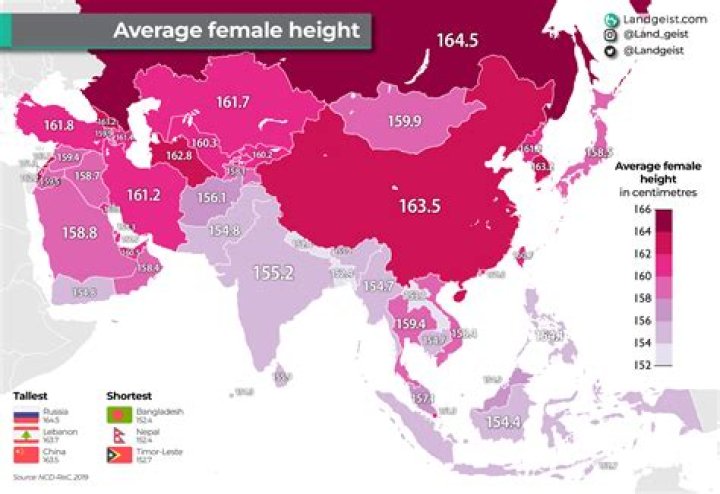
When comparing the average height for women in the US to other countries, it's important to consider global variations in genetics, nutrition, and socioeconomic conditions. According to the World Health Organization (WHO), the average height for women varies significantly across regions, with women in Northern European countries generally being taller than those in other parts of the world.
Global Height Rankings
Here are some global comparisons:
- Netherlands: Women average 5 feet 7 inches (170 cm).
- United States: Women average 5 feet 4 inches (162.5 cm).
- Indonesia: Women average 5 feet 1 inch (155 cm).
These differences highlight the importance of considering regional and cultural factors when analyzing height trends.
Historical Trends in Women's Height
Over the past century, the average height for women in the US has increased due to improvements in nutrition, healthcare, and living conditions. However, this trend has slowed in recent decades, raising questions about potential barriers to further growth. Understanding historical trends can provide valuable insights into the factors driving height changes over time.
Key Historical Milestones
Here are some notable trends:
- In the early 1900s, the average height for women in the US was approximately 5 feet 2 inches.
- By the mid-20th century, this figure had increased to around 5 feet 3.5 inches.
- Today, the average height is approximately 5 feet 4 inches.
These trends reflect broader improvements in public health and living standards, but also highlight the need for continued efforts to address remaining disparities.
Future Projections for Women's Height
Predicting future trends in the average height for women in the US involves considering a range of factors, including ongoing advancements in healthcare, nutrition, and technology. While genetic potential sets an upper limit on height, environmental factors will continue to play a critical role in determining how close individuals come to reaching that potential.
Emerging Trends
Some emerging trends to watch include:
- Continued improvements in healthcare access and quality.
- Advancements in personalized nutrition and genetic research.
- Increased focus on addressing socioeconomic disparities.
These developments hold promise for further improvements in growth and development outcomes for women in the US.
Conclusion and Call to Action
In conclusion, understanding the average height for women in the US involves examining a complex interplay of genetic, nutritional, socioeconomic, and healthcare factors. While the current average height is approximately 5 feet 4 inches, there are variations across populations that reflect broader health and social issues. By addressing disparities in nutrition, healthcare access, and socioeconomic conditions, we can work towards ensuring that all women have the opportunity to reach their full growth potential.
We invite you to share your thoughts and insights in the comments below. Additionally, feel free to explore other articles on our site for more in-depth information on related topics. Together, we can continue to learn and grow in our understanding of this important subject.


