
Average Height for Women in the US: Understanding Trends and Factors
By Michael Gray
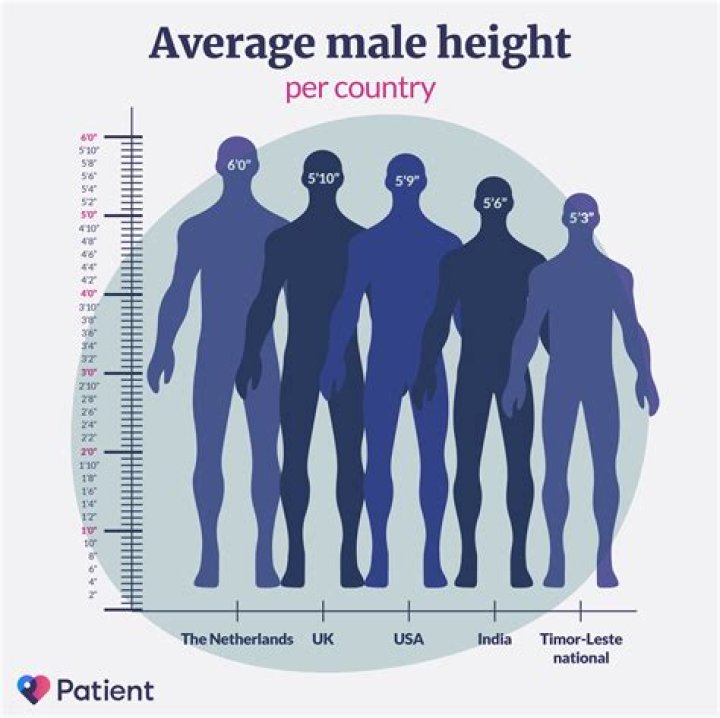
When it comes to understanding the average height for women in the US, there are numerous factors at play that shape this statistic. Height is not just a biological trait but also reflects socioeconomic conditions, healthcare access, and nutrition over generations. Women in the US, like their global counterparts, experience variations in height due to these factors, making it an intriguing topic to explore. In this article, we'll delve into the specifics of what drives these averages and how they have evolved over time.
Height is a fundamental characteristic that often sparks curiosity. Many people wonder, "What's the average height for a woman in the US?" The answer lies in understanding the interplay between genetics, environment, and lifestyle choices. This article will provide a comprehensive overview of the average height for women in the US, breaking down the factors that contribute to this statistic and offering insights into how it compares globally.
As we explore the average height for women in the US, we'll examine the historical trends, regional differences, and the impact of health and nutrition. By the end of this article, you'll have a clearer understanding of why height matters and how it reflects broader societal issues. Let's dive in!
What's the Average Height for Women in the US?
The average height for women in the US is approximately 5 feet 4 inches (162.5 cm), according to data from the Centers for Disease Control and Prevention (CDC). This statistic has remained relatively stable over the past few decades, although slight variations can be observed based on age, ethnicity, and geographic location. The CDC conducts regular surveys to monitor height and weight trends among the population, providing valuable insights into the health and well-being of Americans.
While the average height remains consistent, it's essential to recognize that height is influenced by a combination of genetic and environmental factors. For instance, improved nutrition and healthcare have contributed to a gradual increase in height over the past century. However, disparities still exist, particularly among different demographic groups.
How Is Height Measured?
Height is typically measured without shoes, using a stadiometer, which ensures accuracy. The CDC collects data through the National Health and Nutrition Examination Survey (NHANES), which involves a representative sample of the US population. This data helps policymakers and researchers understand the broader implications of height and its relationship to health outcomes.
Biological Factors Influencing Height
Biological factors play a crucial role in determining height. Genetics account for approximately 60-80% of an individual's height, with the remaining percentage influenced by environmental factors. The interaction between genes and environment shapes the final height of an individual, making it a complex trait to study.
Women tend to reach their full height earlier than men, usually by the age of 18. During puberty, growth spurts occur, driven by hormonal changes such as the release of growth hormone and estrogen. These hormones stimulate bone growth and contribute to the final adult height.
Genetic Variations in Height
- Genes inherited from parents determine the potential height range of an individual.
- Studies have identified over 700 genetic variants associated with height.
- Epigenetic factors, such as DNA methylation, can also influence height by altering gene expression.
The Role of Nutrition in Determining Height
Nutrition is a critical determinant of height, especially during childhood and adolescence. Adequate intake of essential nutrients such as protein, calcium, vitamin D, and zinc is vital for bone development and overall growth. Malnutrition or nutrient deficiencies during critical growth periods can lead to stunted growth and lower adult height.
In the US, public health initiatives have focused on improving nutrition, particularly among children from low-income families. Programs like the Supplemental Nutrition Assistance Program (SNAP) and the Women, Infants, and Children (WIC) program aim to address nutritional disparities and promote healthy growth.
Key Nutrients for Height
- Protein: Essential for muscle and tissue development.
- Calcium: Crucial for bone health and density.
- Vitamin D: Facilitates calcium absorption and supports bone growth.
- Zinc: Plays a role in cell growth and division.
Impact of Healthcare on Height
Access to healthcare services significantly influences height outcomes. Regular check-ups, vaccinations, and treatment for illnesses can prevent conditions that might otherwise hinder growth. For example, untreated chronic diseases such as asthma or diabetes can affect a child's growth trajectory.
In the US, the Affordable Care Act (ACA) has expanded access to healthcare, ensuring that more children receive preventive care and early interventions. This has contributed to better health outcomes and potentially higher average heights over time.
Socioeconomic Factors and Height
Socioeconomic status (SES) is closely linked to height, as individuals from higher SES backgrounds often have better access to nutritious food, healthcare, and educational resources. Conversely, those from lower SES backgrounds may face barriers that limit their growth potential.
Research has shown that income inequality and systemic disparities contribute to variations in height across different demographic groups. Addressing these inequalities is crucial for promoting equitable growth opportunities for all individuals.
Breaking Down Socioeconomic Barriers
- Implementing policies to reduce poverty and improve access to resources.
- Providing targeted support for underserved communities.
- Promoting awareness of the importance of nutrition and healthcare.
Regional Differences in Height
Height can vary significantly across different regions within the US. For example, women in the Northeast tend to be slightly taller than those in the South, possibly due to differences in diet, lifestyle, and access to healthcare. Urban areas often report higher average heights compared to rural areas, reflecting the broader socioeconomic landscape.
These regional differences highlight the need for localized interventions to address specific challenges faced by different communities. By tailoring programs to meet the unique needs of each region, policymakers can promote more equitable outcomes.
Global Comparison of Women's Height
When compared globally, women in the US are slightly taller than their counterparts in many developing countries but shorter than women in some European nations. For instance, women in the Netherlands have the highest average height at 5 feet 7 inches (170 cm), while women in Guatemala have one of the lowest averages at 4 feet 10 inches (149 cm).
These global variations reflect differences in genetics, nutrition, healthcare, and socioeconomic conditions. Understanding these factors can provide valuable insights into how height is shaped by broader societal influences.
Why Does Height Matter Globally?
- Height is an indicator of overall health and well-being.
- It reflects access to resources and opportunities.
- Height disparities can highlight inequalities that need addressing.
Historical Trends in Women's Height
Over the past century, the average height for women in the US has increased gradually, reflecting improvements in nutrition, healthcare, and living conditions. In the early 1900s, the average height was approximately 5 feet 2 inches (157 cm), compared to the current average of 5 feet 4 inches (162.5 cm).
This trend underscores the importance of continued investments in public health initiatives to ensure that future generations reach their full growth potential. Historical data also highlights the impact of major events such as economic recessions and wars on height outcomes.
Genetics: The Foundation of Height
While environmental factors play a significant role in determining height, genetics remain the primary foundation. Advances in genetic research have identified numerous genes associated with height, providing a deeper understanding of this complex trait.
Future studies may uncover additional genetic markers and their interactions with environmental factors, leading to more personalized approaches to promoting healthy growth.
Future Predictions for Women's Height
Looking ahead, experts predict that the average height for women in the US will continue to increase, albeit at a slower rate. This prediction is based on ongoing improvements in nutrition, healthcare, and living conditions. However, challenges such as climate change and socioeconomic inequality may impact these trends in the long term.
To ensure that future generations reach their full growth potential, it's essential to address these challenges proactively. By investing in education, healthcare, and nutrition programs, we can promote equitable opportunities for all individuals.
Conclusion and Call to Action
In conclusion, the average height for women in the US is approximately 5 feet 4 inches (162.5 cm), influenced by a combination of genetic and environmental factors. Understanding these factors is crucial for promoting healthy growth and addressing disparities in height outcomes. By focusing on nutrition, healthcare, and socioeconomic equity, we can create a brighter future for all individuals.
We invite you to share your thoughts on this topic in the comments section below. Additionally, feel free to explore other articles on our website for more insights into health, nutrition, and well-being. Together, we can make a difference in promoting equitable growth opportunities for everyone.
Sources:
- Centers for Disease Control and Prevention (CDC)
- National Health and Nutrition Examination Survey (NHANES)
- World Health Organization (WHO)
- Journal of Nutrition


