Average Height of Females in the US: Comprehensive Insights and Statistics
By Mia Phillips
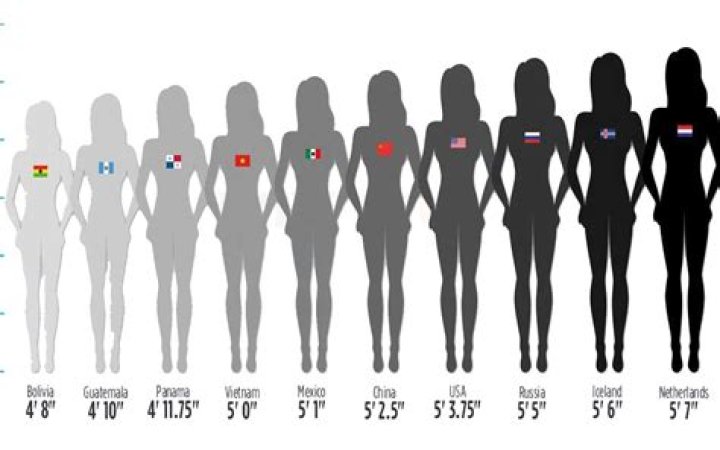
Understanding the average height of females in the US is a fascinating topic that touches on various aspects of health, genetics, and lifestyle. It provides valuable insights into population trends and offers a glimpse into how societal factors influence physical development. In this article, we delve deep into the data and explore the factors that contribute to the height of women in the United States.
The topic of average female height in the US is not just about numbers; it reflects broader health indicators, genetic predispositions, and environmental influences. By examining these factors, we can gain a deeper understanding of the overall well-being of women in the country. This article aims to provide you with accurate and up-to-date information, supported by credible sources, to help you grasp the significance of this topic.
Whether you're a researcher, a student, or simply someone curious about human development, this article will equip you with the knowledge you need. We'll explore the historical trends, current statistics, and future projections related to the average height of females in the US. Let's dive in!
Table of Contents:
- Introduction
- Current Statistics on Average Height
- Genetic Factors Influencing Height
- Environmental Factors Affecting Female Height
- Historical Trends in Female Height
- Health Implications of Height
- Global Comparison of Female Heights
- Future Projections on Female Height
- Methodology of Height Measurement
- Conclusion and Call to Action
Current Statistics on Average Height of Females in the US
As of the latest data from the National Health and Nutrition Examination Survey (NHANES), the average height of females in the US is approximately 5 feet 4 inches (162.5 cm). This figure has remained relatively stable over the past few decades, reflecting a balance between genetic and environmental influences.
These statistics are derived from a comprehensive study involving a large sample size, ensuring the accuracy and reliability of the findings. The NHANES data is widely regarded as a gold standard in health research, providing valuable insights into the physical characteristics of the US population.
Key Findings from NHANES
- The average height of females aged 20 and above is 5 feet 4 inches (162.5 cm).
- There is a slight variation in height based on ethnic and racial backgrounds.
- Height differences are more pronounced in younger age groups due to ongoing growth and development.
Genetic Factors Influencing the Average Height of Females in the US
Genetics plays a crucial role in determining an individual's height. Studies suggest that approximately 60-80% of height variation is attributed to genetic factors. For females in the US, this genetic predisposition is influenced by a combination of ancestry and inherited traits.
Role of Genetics in Female Height
Specific genes, such as those related to bone growth and development, contribute significantly to height. However, the interaction between multiple genes and their expression levels further complicates the genetic aspect of height determination.
- Genetic inheritance from both parents contributes to the final height of an individual.
- Polymorphisms in certain genes, such as HMGA2 and FGFR3, have been linked to variations in height.
Environmental Factors Affecting Female Height
While genetics sets the foundation for height, environmental factors play a crucial role in determining the final outcome. Nutrition, healthcare access, and socioeconomic status are among the key environmental influences affecting the average height of females in the US.
Nutrition and Its Impact on Height
Adequate nutrition during critical growth periods, such as childhood and adolescence, is essential for achieving optimal height. Deficiencies in essential nutrients, such as protein, calcium, and vitamin D, can hinder growth and development.
- A balanced diet rich in essential nutrients supports healthy bone growth.
- Malnutrition during early childhood can lead to stunted growth and reduced adult height.
Historical Trends in Female Height in the US
Historical data shows that the average height of females in the US has increased over the past century. This trend can be attributed to improvements in living conditions, healthcare, and nutrition. However, the rate of increase has slowed in recent decades, suggesting a potential plateau in height growth.
Key Historical Milestones
- In the early 1900s, the average height of females was approximately 5 feet 2 inches (157.5 cm).
- By the mid-20th century, this figure had increased to around 5 feet 3 inches (160 cm).
- Modern statistics indicate an average height of 5 feet 4 inches (162.5 cm), reflecting a gradual but steady increase over time.
Health Implications of Height for Females in the US
Height is not just a physical characteristic; it also has significant health implications. Research suggests that taller individuals may have a lower risk of certain diseases, such as heart disease, while shorter individuals may be more prone to other health issues, such as osteoporosis.
Height and Disease Risk
Understanding the relationship between height and health can inform preventive strategies and healthcare policies. For example, taller women may benefit from specific lifestyle interventions to mitigate risks associated with their height, while shorter women may require targeted interventions to address their unique health challenges.
- Taller individuals may have a lower risk of heart disease and stroke.
- Shorter individuals may be more susceptible to osteoporosis and related conditions.
Global Comparison of Female Heights
When compared globally, the average height of females in the US ranks among the taller nations. However, countries such as the Netherlands and Scandinavia consistently report higher average heights, reflecting differences in genetics, lifestyle, and healthcare systems.
International Height Rankings
- The Netherlands has the tallest average female height, with women standing at approximately 5 feet 7 inches (170 cm).
- Countries with lower average heights, such as Indonesia and the Philippines, reflect differences in socioeconomic conditions and nutrition.
Future Projections on Female Height in the US
Looking ahead, projections suggest that the average height of females in the US may continue to increase, albeit at a slower pace. Advances in healthcare, nutrition, and technology are expected to contribute to this trend, although genetic limitations may cap the potential for significant growth.
Factors Shaping Future Trends
- Improved access to healthcare and nutrition will likely support continued height growth.
- Genetic advancements and personalized medicine may unlock new possibilities for height optimization.
Methodology of Height Measurement
Accurate height measurement is critical for obtaining reliable data. Standardized protocols, such as those used by NHANES, ensure consistency and comparability across studies. Height is typically measured using stadiometers, which provide precise readings to the nearest millimeter.
Challenges in Height Measurement
Despite advancements in measurement techniques, challenges such as self-reported data and variations in posture can introduce inaccuracies. Researchers continually strive to refine methodologies to minimize these errors and improve data quality.
Conclusion and Call to Action
In conclusion, the average height of females in the US is a complex topic influenced by a combination of genetic, environmental, and societal factors. Understanding these influences provides valuable insights into population health and development trends. The current average height of 5 feet 4 inches (162.5 cm) reflects a balance between these factors, with potential for further growth in the future.
We encourage you to explore this topic further by examining the references and sources cited in this article. Share your thoughts and insights in the comments section below, and consider exploring other articles on our site for more in-depth knowledge on related topics. Together, we can deepen our understanding of the fascinating world of human development and health.
References:
- National Health and Nutrition Examination Survey (NHANES)
- World Health Organization (WHO) height statistics
- Genetic studies on height variation