
Average Height of Women: Understanding Global Trends and Factors
By Matthew Harrington
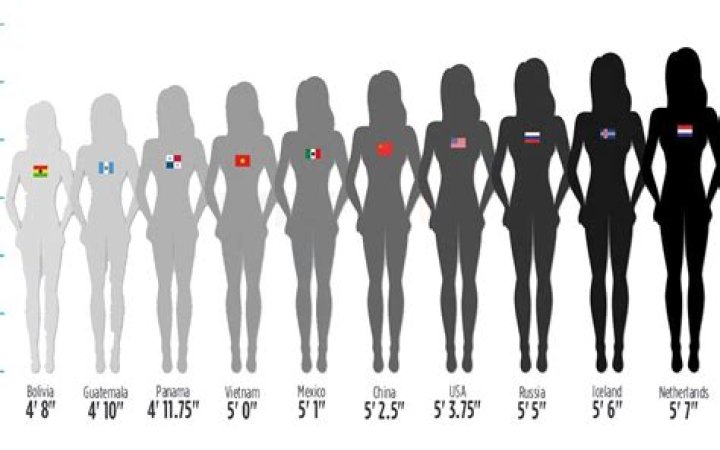
The average height of women varies across different regions and countries, influenced by genetics, nutrition, and lifestyle factors. Understanding these variations can provide valuable insights into global health trends and cultural differences. As height is often linked to overall well-being, exploring the average height of women has become an important topic for researchers and health professionals worldwide.
Height is more than just a physical characteristic; it reflects the complex interplay of genetic, environmental, and socioeconomic factors. For women, height plays a significant role in various aspects of life, including self-esteem, career opportunities, and health outcomes. By examining global trends in women's average height, we can gain a deeper understanding of the factors that contribute to these variations.
In this article, we will explore the average height of women across different regions, analyze the factors that influence height, and discuss the implications of these findings. Whether you're a researcher, healthcare professional, or simply curious about global health trends, this article will provide you with valuable insights and actionable information.
Global Trends in Women's Average Height
The average height of women varies significantly across the globe. According to the World Health Organization (WHO) and other health studies, women in Northern European countries tend to be taller than those in other regions. For instance, women in the Netherlands have an average height of approximately 170 cm (5'7"), making them the tallest in the world. In contrast, women in Southeast Asia and parts of Africa typically have an average height closer to 150 cm (4'11").
Historical Trends in Women's Height
Over the past century, there has been a noticeable increase in the average height of women in many countries. This trend is attributed to improvements in nutrition, healthcare, and living conditions. For example, in Japan, the average height of women has increased by about 10 cm since the early 20th century due to better nutrition and healthcare access.
The Role of Genetics in Women's Height
Genetics plays a crucial role in determining a person's height. Studies have shown that approximately 60-80% of height variation is attributed to genetic factors. However, the specific genes responsible for height are complex and influenced by interactions with environmental factors.
Hereditary Factors
- Parental height is a strong predictor of a child's height.
- Specific genetic markers, such as those found in the HMGA2 gene, have been linked to height variation.
- Epigenetic factors, such as DNA methylation, can also influence height expression.
Nutrition's Impact on Women's Height
Nutrition is one of the most significant environmental factors affecting height. Adequate intake of essential nutrients, including protein, calcium, and vitamins, is critical during childhood and adolescence when growth occurs rapidly.
Key Nutrients for Height Development
- Protein: Essential for muscle and tissue development.
- Calcium: Crucial for bone growth and strength.
- Vitamin D: Helps in calcium absorption and bone health.
Socioeconomic Factors and Women's Height
Socioeconomic status (SES) has a profound impact on height. Individuals from higher-income households often have better access to nutritious food, healthcare, and education, all of which contribute to optimal growth. Conversely, poverty and lack of access to resources can stunt growth and lead to shorter stature.
Education and Height
Research has shown a positive correlation between educational attainment and height. Educated women tend to have better knowledge of nutrition and health practices, which can positively influence their children's growth.
Regional Variations in Women's Average Height
Regional variations in women's average height are influenced by a combination of genetic, nutritional, and socioeconomic factors. Countries with well-developed healthcare systems and high standards of living generally report taller average heights.
Top 5 Countries with the Tallest Women
- Netherlands: 170 cm
- Latvia: 169 cm
- Czech Republic: 167 cm
- Iceland: 167 cm
Health Implications of Women's Height
Height is not only a physical characteristic but also an indicator of overall health. Studies have shown that taller individuals tend to have lower risks of certain health conditions, such as heart disease and diabetes. However, height can also influence the risk of other conditions, such as cancer.
Height and Chronic Diseases
Taller women may have a lower risk of heart disease but a higher risk of certain cancers, such as breast and colon cancer. These associations are likely due to hormonal and metabolic differences associated with height.
Height and Longevity
The relationship between height and longevity is complex. While taller individuals may have certain health advantages, shorter individuals often have longer lifespans. This paradox is attributed to differences in metabolic rates and genetic factors.
Studies on Height and Longevity
A study conducted in Japan found that shorter women had a lower risk of age-related diseases and lived longer than their taller counterparts. However, these findings may vary depending on the population studied and other influencing factors.
Cultural Perceptions of Women's Height
Cultural perceptions of height vary widely across societies. In some cultures, taller women are seen as more attractive and successful, while in others, shorter women are preferred. These perceptions can influence self-esteem, career opportunities, and social interactions.
Media Influence on Height Perceptions
The media often portrays tall women as the ideal body type, which can create unrealistic expectations and affect body image. It is essential to promote diverse representations of beauty and challenge societal norms.
Data and Statistics on Women's Average Height
Data on women's average height is collected through national health surveys and global studies. The WHO and other organizations regularly update these statistics to reflect changing trends and provide insights into global health.
Key Statistics
- Global average height of women: 164 cm (5'4")
- Shortest average height: Guatemala (149 cm)
- Tallest average height: Netherlands (170 cm)
Conclusion and Next Steps
The average height of women is influenced by a combination of genetic, nutritional, and socioeconomic factors. Understanding these variations can provide valuable insights into global health trends and cultural differences. By improving nutrition, healthcare, and living conditions, we can help ensure that women worldwide reach their full growth potential.
We invite you to share your thoughts and questions in the comments section below. For more information on global health trends, explore our other articles on this site. Together, we can promote a healthier and more informed world.
Sources:
- World Health Organization (WHO)
- National Health and Nutrition Examination Survey (NHANES)
- Journal of Human Biology


