
Average US Women's Height: Comprehensive Insights and Trends
By Sarah Rowe
Understanding the average height of women in the United States is not just a matter of curiosity but a reflection of public health, genetics, and lifestyle factors. The average US women's height has been a topic of interest for researchers, sociologists, and health professionals for decades. It provides valuable insights into how societal changes, nutrition, and genetics impact physical development.
Height is one of the most visible physical traits, and its average measurement offers a glimpse into the broader health and well-being of a population. By examining the average height of women in the U.S., we can better understand trends in growth patterns, nutritional intake, and even socioeconomic disparities that affect physical development.
This article will delve into the intricacies of the average height of women in the United States, exploring key factors such as genetics, nutrition, and lifestyle, as well as trends over time. Whether you're a researcher, a health enthusiast, or simply curious about the topic, this article aims to provide comprehensive and authoritative information.
The Average Height of US Women
The average height of women in the United States has remained relatively stable over the past few decades. According to the Centers for Disease Control and Prevention (CDC), the average height for adult women aged 20 and older is approximately 5 feet 4 inches (162.5 cm). This measurement reflects a combination of genetic predispositions, environmental factors, and lifestyle choices.
Measuring Average Height
Measuring the average height involves collecting data from a representative sample of the population. The CDC conducts the National Health and Nutrition Examination Survey (NHANES) to gather this information. Through NHANES, researchers assess physical measurements, including height, alongside other health indicators.
- Height measurements are taken using standardized procedures.
- Data is collected from diverse populations to ensure accuracy.
- Results are analyzed to identify trends and variations.
Genetic Factors Influencing Height
Genetics plays a significant role in determining an individual's height. Studies suggest that approximately 60-80% of height variation is attributable to genetic factors. Specific genes influence bone growth and development, ultimately affecting overall height.
Key Genetic Components
Several genetic components contribute to height:
- Genes related to bone density and structure.
- Hormones such as growth hormone and insulin-like growth factor.
- Inherited traits passed down through family lines.
While genetics is a primary determinant, environmental factors can either enhance or limit genetic potential.
The Role of Nutrition in Height Development
Nutrition is a critical factor in height development, particularly during childhood and adolescence. A balanced diet rich in essential nutrients supports optimal growth and development. Key nutrients such as calcium, vitamin D, and protein are vital for bone health and overall height attainment.
Essential Nutrients for Growth
- Calcium: Essential for bone strength and development.
- Vitamin D: Facilitates calcium absorption and bone growth.
- Protein: Provides building blocks for muscle and tissue development.
Malnutrition or deficiencies in these nutrients can lead to stunted growth and lower-than-average height.
Socioeconomic Factors and Their Impact
Socioeconomic status significantly influences height development. Access to quality healthcare, education, and nutrition varies across different income levels, impacting physical growth. Children from lower-income households may experience growth delays due to limited access to essential resources.
Addressing Disparities
Efforts to reduce socioeconomic disparities include:
- Implementing nutrition programs in schools.
- Providing affordable healthcare services.
- Promoting awareness about the importance of early childhood nutrition.
These initiatives aim to ensure equal opportunities for growth and development across all socioeconomic groups.
Comparing US Women's Height Globally
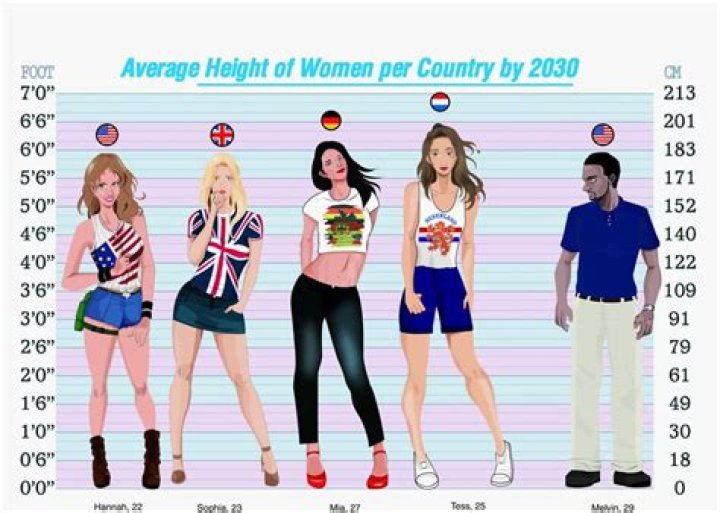
When compared globally, the average height of US women ranks relatively high. Countries such as the Netherlands and Scandinavia often report taller averages due to genetic and environmental factors. However, the U.S. maintains a strong position in terms of overall health and development.
Regional Variations
Within the U.S., regional variations in height exist due to differences in demographics, genetics, and lifestyle. Urban areas tend to report slightly higher averages compared to rural regions, reflecting disparities in access to resources.
Historical Trends in Women's Height
Historical data reveals gradual increases in the average height of women over the past century. Advances in healthcare, improved nutrition, and better living conditions have contributed to these trends. However, recent decades have shown stabilization, indicating a potential plateau in height development.
Factors Contributing to Stabilization
- Genetic limitations reaching their maximum potential.
- Stable socioeconomic conditions in developed countries.
- Increased focus on health and wellness.
Understanding these trends helps researchers predict future developments in height patterns.
Health Implications of Height
Height is closely linked to various health outcomes. Taller individuals often experience lower risks of certain diseases, such as cardiovascular conditions, while shorter individuals may face different challenges. However, it's important to note that height is just one of many factors influencing overall health.
Managing Health Risks
To mitigate potential health risks associated with height, individuals should:
- Maintain a balanced diet and regular exercise routine.
- Monitor and manage chronic conditions through regular check-ups.
- Prioritize preventive healthcare measures.
Lifestyle Choices and Height
Lifestyle choices, including physical activity and sleep patterns, play a crucial role in height development. Regular exercise promotes healthy bone growth, while adequate sleep supports the body's natural growth processes. Encouraging healthy habits from an early age can maximize genetic potential.
Encouraging Healthy Habits
- Promote physical activity through sports and outdoor play.
- Ensure children receive adequate sleep each night.
- Provide education on the importance of a balanced diet.
Predictions for Future Trends
Future trends in women's height are likely to remain stable, with minor fluctuations based on genetic and environmental factors. Advances in healthcare and nutrition may lead to slight increases, but significant changes are unlikely. Continued research and monitoring will help identify emerging patterns and address potential challenges.
Emerging Research Areas
Researchers are exploring:
- The impact of climate change on nutritional availability.
- New genetic therapies to enhance growth potential.
- Socioeconomic interventions to reduce disparities.
Conclusion and Call to Action
In conclusion, the average height of women in the United States reflects a complex interplay of genetic, environmental, and lifestyle factors. Understanding these influences provides valuable insights into public health and well-being. By addressing socioeconomic disparities and promoting healthy habits, we can ensure optimal growth and development for future generations.
We invite readers to share their thoughts and experiences in the comments section below. Additionally, explore other articles on our website for more information on health, wellness, and lifestyle topics. Together, we can foster a healthier and more informed community.