
Axolotl Life Expectancy: Understanding the Lifespan of This Unique Creature
By Emma Valentine
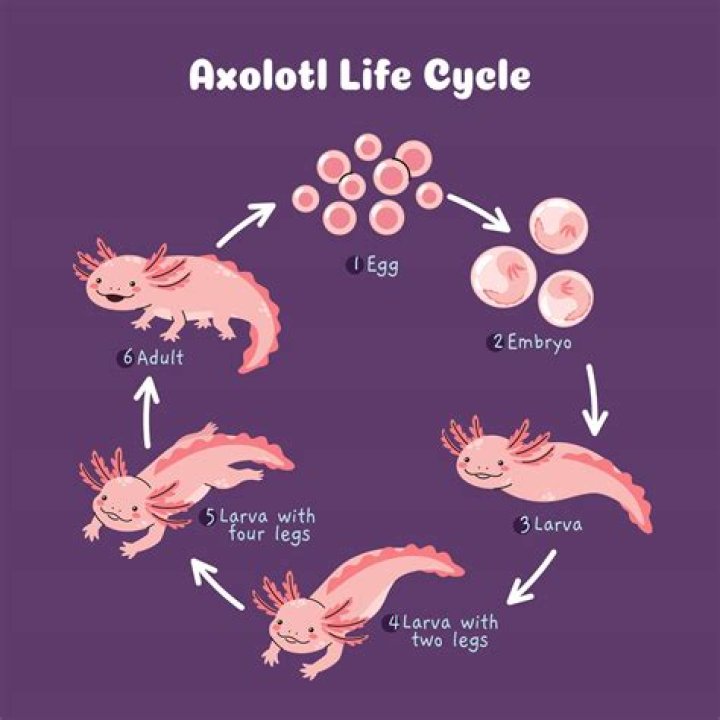
Axolotls have become increasingly popular as exotic pets due to their fascinating appearance and unique biological traits. Often referred to as "walking fish," these aquatic creatures are native to Mexico and are known for their ability to regenerate body parts. Understanding the axolotl life expectancy is crucial for those considering keeping them as pets or studying them scientifically.
Axolotls are not your average aquatic pet. Their ability to regenerate limbs, spinal cords, and even parts of their brain has fascinated scientists worldwide. However, before diving into the science behind their regenerative abilities, it's essential to understand how long they live and what factors influence their lifespan.
This article will explore everything you need to know about axolotl life expectancy, including environmental factors, diet, health conditions, and care tips to ensure they live a long and healthy life. Whether you're a pet owner or a researcher, this guide will provide valuable insights into the fascinating world of axolotls.
Introduction to Axolotls
Axolotls (Ambystoma mexicanum) are a type of salamander native to the lakes of Xochimilco and Chalco in Mexico. Unlike most amphibians, axolotls remain in their larval stage throughout their lives, a phenomenon known as neoteny. This means they retain their external gills and live underwater, giving them a unique appearance.
As exotic pets, axolotls have gained popularity due to their adorable looks and ease of care. However, understanding their life expectancy is essential for responsible pet ownership. On average, axolotls can live anywhere from 10 to 15 years, but this can vary depending on various factors.
Whether you're a beginner or an experienced aquarist, learning about axolotl life expectancy will help you provide the best possible care for these fascinating creatures.
Biological Overview of Axolotls
Axolotls are part of the Ambystomatidae family, which includes other salamanders. What sets them apart is their ability to regenerate body parts, a trait that has made them a subject of interest in scientific research. They come in various colors, including wild type, albino, leucistic, and melanoid, each with its own unique characteristics.
Despite their aquatic lifestyle, axolotls are not fish. They are amphibians that breathe through gills and skin. Their neotenic state allows them to reproduce without undergoing metamorphosis, a process that most amphibians go through.
Understanding their biology is crucial for determining their life expectancy. Factors such as genetics, habitat, and diet play a significant role in how long they live.
Average Axolotl Life Expectancy
The average axolotl life expectancy is around 10 to 15 years, with some individuals living up to 20 years in optimal conditions. However, this lifespan can be influenced by several factors, including the environment, diet, and overall health of the axolotl.
In the wild, axolotls face numerous challenges, such as pollution, predation, and habitat loss, which can significantly reduce their lifespan. In captivity, however, they can live longer if provided with proper care and a suitable environment.
For pet owners, understanding the average lifespan of axolotls is essential for making informed decisions about their long-term care. It also helps in planning for their needs as they age.
Factors Affecting Axolotl Lifespan
Environmental Factors
The environment plays a critical role in determining the lifespan of axolotls. Temperature, water quality, and tank size are among the most important factors to consider.
- Temperature: Axolotls thrive in cool water, ideally between 60°F and 68°F (15°C to 20°C). Higher temperatures can lead to stress and reduce their lifespan.
- Water Quality: Clean, well-filtered water is essential for maintaining their health. Ammonia and nitrate levels should be monitored regularly to prevent waterborne diseases.
- Tank Size: A spacious tank with plenty of hiding spots and plants is ideal for axolotls. Overcrowding can lead to stress and aggression, which can shorten their lifespan.
Diet
A proper diet is crucial for ensuring a long and healthy life for axolotls. They are carnivorous and require a diet rich in protein.
- Live Food: Bloodworms, brine shrimp, and earthworms are excellent sources of nutrition for axolotls.
- Pellets: High-quality axolotl pellets provide a balanced diet and are convenient for pet owners.
- Feeding Schedule: Juvenile axolotls should be fed daily, while adults can be fed every other day. Overfeeding can lead to obesity and health issues.
Genetics
Genetics also play a role in determining the lifespan of axolotls. Inbreeding can lead to genetic defects and shorter lifespans. Responsible breeding practices are essential for maintaining healthy populations of axolotls.
Researchers have found that wild axolotls tend to live longer than captive-bred ones due to their genetic diversity. However, with proper care, captive axolotls can live just as long, if not longer, than their wild counterparts.
Common Health Conditions
Like any living creature, axolotls are susceptible to various health conditions that can affect their lifespan. Some of the most common health issues include:
- Bacterial Infections: Poor water quality can lead to bacterial infections, which can be fatal if left untreated.
- Fungal Infections: Fungal infections often occur in stressed or injured axolotls. Maintaining clean water and providing a stress-free environment can help prevent these infections.
- Parasites: Parasites such as worms can infest axolotls and cause health problems. Regular health checks and proper quarantine procedures can help prevent parasite infestations.
Early detection and treatment of these conditions are crucial for extending the lifespan of axolotls.
Care Tips for Extending Lifespan
Providing proper care is essential for ensuring a long and healthy life for axolotls. Here are some tips to help you extend their lifespan:
- Regular Water Changes: Perform regular water changes to maintain optimal water quality.
- Monitor Temperature: Keep the water temperature within the recommended range to prevent stress.
- Provide Hiding Spots: Axolotls are shy creatures and need hiding spots to feel secure.
- Feed a Balanced Diet: Ensure they receive a balanced diet to meet their nutritional needs.
By following these care tips, you can help your axolotls live a long and healthy life.
Comparison with Other Aquatic Pets
When compared to other aquatic pets, axolotls have a relatively long lifespan. Betta fish, for example, typically live for 2 to 5 years, while goldfish can live for 10 to 15 years with proper care. Axolotls, on the other hand, can live for 10 to 15 years, with some individuals reaching 20 years.
What sets axolotls apart is their ability to regenerate body parts, which has made them a subject of interest in scientific research. This unique trait has also contributed to their popularity as exotic pets.
For those considering axolotls as pets, it's important to understand their specific care requirements and commit to their long-term well-being.
Scientific Research on Axolotl Lifespan
Scientific research has shed light on the factors that influence axolotl life expectancy. Studies have shown that axolotls in captivity can live longer than those in the wild due to controlled environments and access to proper nutrition.
Researchers have also discovered that axolotls have a unique immune system that allows them to regenerate damaged tissues without scarring. This ability has made them a valuable model organism for studying regeneration and aging.
Understanding the science behind axolotl lifespan can help pet owners and researchers alike in providing the best possible care for these fascinating creatures.
Conservation Efforts
Unfortunately, axolotls are listed as critically endangered in the wild due to habitat loss and pollution. Conservation efforts are underway to protect their natural habitats and increase their population.
Organizations such as the Xochimilco Axolotl Conservation Program are working to restore the lakes and canals where axolotls live. Captive breeding programs are also being implemented to ensure the survival of the species.
As pet owners and researchers, it's important to support these conservation efforts and promote the sustainable care of axolotls.
Conclusion
In conclusion, understanding axolotl life expectancy is crucial for both pet owners and researchers. By providing proper care, maintaining optimal environmental conditions, and addressing health issues promptly, you can help your axolotls live a long and healthy life.
We encourage readers to share their experiences and insights in the comments section below. Additionally, feel free to explore other articles on our website for more information on exotic pets and scientific research. Together, we can ensure the well-being of these fascinating creatures and contribute to their conservation.