
Bali: Where Is It and Why Is It Famous?
By Matthew Harrington
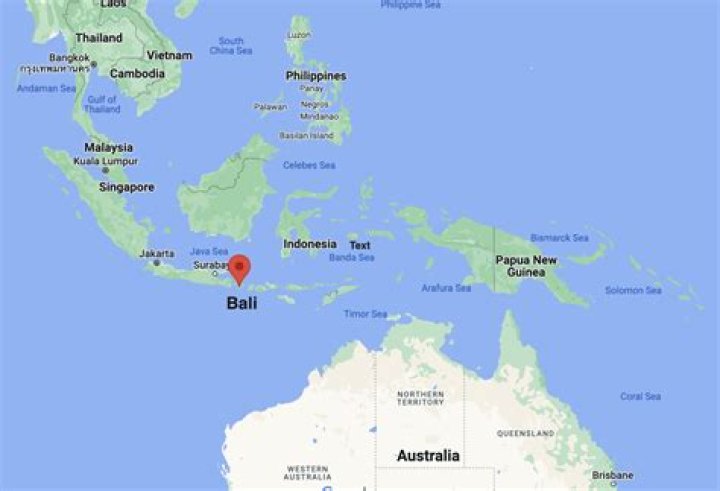
Bali, often referred to as the Island of the Gods, is one of Indonesia's most celebrated destinations. Known for its lush landscapes, vibrant culture, and stunning beaches, Bali attracts millions of visitors every year. But where exactly is Bali located? This article will explore its geographical positioning, cultural significance, and why it remains a top global travel destination.
Bali's allure is deeply tied to its unique blend of natural beauty and rich traditions. From the iconic rice terraces to the serene beaches, the island offers an unforgettable experience for travelers. Its location in Southeast Asia makes it a gateway to other parts of Indonesia and the broader region.
Understanding Bali's geographical and cultural landscape can help travelers make informed decisions about their trips. Whether you're planning a vacation or simply curious about this enchanting island, this guide will provide everything you need to know about "Bali where is it" and what makes it special.
Bali: Where Is It Located?
Bali is an island located in the western part of the Lesser Sunda Islands, within the archipelago of Indonesia. It lies between Java to the west and Lombok to the east. Geographically, Bali is situated at 8°25′23″S latitude and 115°10′51″E longitude. Its strategic position in Southeast Asia makes it easily accessible from neighboring countries like Singapore, Malaysia, and Australia.
Although Indonesia consists of thousands of islands, Bali stands out as one of the most prominent. It spans approximately 5,632 square kilometers, making it relatively small compared to other Indonesian islands like Sumatra or Borneo. However, its compact size allows visitors to explore its diverse attractions efficiently.
Why Is Bali Famous?
Bali's fame stems from its combination of natural beauty, cultural heritage, and hospitality. The island is renowned for its volcanic mountains, lush rice paddies, and pristine beaches. Additionally, its vibrant arts scene and spiritual practices attract both tourists and those seeking a deeper cultural experience.
Geographical Features of Bali
Bali boasts a diverse range of geographical features that contribute to its charm. The island is dominated by volcanic mountains in the central region, with Mount Agung being the tallest and most sacred peak. These mountains are surrounded by fertile plains and terraced rice fields, creating breathtaking landscapes.
The coastal areas of Bali offer a stark contrast to the inland regions. The southern coast is home to bustling beach towns like Kuta and Seminyak, while the northeastern coast features quieter, more secluded beaches. The combination of mountains, plains, and beaches makes Bali a versatile destination for all types of travelers.
Key Landmarks in Bali
- Mount Agung – The highest and holiest mountain in Bali.
- Uluwatu Temple – A stunning cliffside temple overlooking the Indian Ocean.
- Tegallalang Rice Terraces – Iconic stepped rice fields in the Ubud region.
A Brief History of Bali
The history of Bali dates back thousands of years, with evidence of human habitation found in archaeological sites across the island. Bali's early civilization was influenced by Indian and Chinese cultures, leading to the development of a unique Balinese Hindu tradition. The island became a significant cultural and economic hub during the Majapahit Empire in the 14th century.
European explorers arrived in Bali in the 16th century, followed by Dutch colonial rule in the 19th century. Despite external influences, Bali managed to preserve its cultural identity. Today, the island continues to be a testament to its rich historical legacy, with numerous temples and traditional villages still thriving.
Cultural Highlights of Bali
Bali's culture is a vibrant tapestry of traditions, rituals, and artistic expressions. Balinese Hinduism, the predominant religion, plays a central role in shaping the island's cultural landscape. Ceremonies, festivals, and offerings are an integral part of daily life for the Balinese people.
Art and music are also essential components of Balinese culture. Traditional dances like the Barong and Legong are performed regularly, showcasing the island's rich heritage. The craftsmanship of Balinese woodcarvings, textiles, and silverware is world-renowned, reflecting the island's dedication to artistic excellence.
Traditional Festivals in Bali
- Galungan – Celebrates the triumph of good over evil.
- Nyepi – The Balinese New Year, marked by a day of silence and reflection.
- Kuningan – A festival honoring ancestors and seeking blessings.
Tourism in Bali
Tourism is a vital part of Bali's economy, with millions of visitors flocking to the island each year. Bali's appeal lies in its ability to cater to a wide range of interests, from adventure seekers to relaxation enthusiasts. The island offers luxury resorts, budget accommodations, and everything in between, ensuring there's something for everyone.
While tourism has brought economic benefits, it has also posed challenges such as environmental degradation and cultural preservation. Efforts are being made to promote sustainable tourism practices to ensure Bali's beauty and traditions endure for future generations.
Popular Tourist Destinations
- Ubud – Known for its art scene, lush jungles, and spiritual retreats.
- Nusa Penida – An island off the coast of Bali famous for its rugged cliffs and marine life.
- Tanah Lot – A picturesque temple perched on a rocky outcrop by the sea.
Top Activities in Bali
Bali offers an abundance of activities for travelers to enjoy. Adventure seekers can explore the island's rugged terrain through hiking, cycling, or white-water rafting. Those seeking relaxation can indulge in world-class spa treatments or simply soak up the sun on one of Bali's many beaches.
For those interested in culture, visiting local temples and attending traditional performances provide a deeper understanding of Balinese life. Additionally, culinary tours offer a taste of the island's delicious cuisine, featuring dishes like Nasi Goreng and Babi Guling.
Unique Experiences in Bali
- Watching the sunrise at Mount Batur.
- Participating in a Balinese cooking class.
- Exploring the underground caves at Goa Gajah.
Climate and Best Time to Visit Bali
Bali has a tropical climate with two distinct seasons: the dry season (April to October) and the wet season (November to March). The dry season is the most popular time to visit, as the weather is generally sunny and mild. However, the wet season can offer its own charm, with lush green landscapes and fewer crowds.
Temperatures in Bali typically range from 24°C to 31°C throughout the year, making it a year-round destination. It's important to note that Bali's climate can vary depending on the region, with the highlands being cooler than the coastal areas.
Getting Around in Bali
Transportation in Bali is relatively straightforward, with several options available for visitors. Taxis, motorbikes, and rental cars are popular choices for getting around the island. Public transportation is limited, but private shuttle services and ride-hailing apps like Grab are readily available.
For those who prefer a more immersive experience, hiring a local driver or joining a guided tour can provide valuable insights into Bali's culture and history. Regardless of the mode of transport, it's essential to be aware of Bali's road conditions and traffic patterns, which can be challenging for first-time visitors.
Travel Tips for Bali
Traveling to Bali can be an exciting and rewarding experience, but it's important to come prepared. Here are some tips to enhance your trip:
- Respect local customs and dress modestly when visiting temples.
- Carry cash for smaller transactions, as credit cards may not be accepted everywhere.
- Stay hydrated and use sunscreen, as Bali's climate can be intense.
Additionally, learning a few basic phrases in Bahasa Indonesia can go a long way in communicating with locals. It's also advisable to purchase travel insurance to cover any unexpected events during your stay.
The Future of Bali as a Destination
Bali continues to evolve as a global travel destination, with ongoing efforts to balance tourism growth with environmental and cultural preservation. Initiatives to promote eco-friendly practices and support local communities are gaining momentum, ensuring Bali remains a sustainable and responsible choice for travelers.
As infrastructure improves and new attractions emerge, Bali's appeal is likely to grow even further. However, maintaining the island's unique character and natural beauty will remain a priority for its residents and stakeholders.
Conclusion
In summary, Bali's location in the heart of Southeast Asia makes it a captivating destination for travelers worldwide. Its rich culture, stunning landscapes, and vibrant communities offer an unforgettable experience. By understanding "Bali where is it" and what the island has to offer, visitors can make the most of their journey.
We encourage you to share your thoughts and experiences in the comments below. For more insights into Bali and other travel destinations, explore our other articles. Happy travels!