
Best Tri Tip Temperature: Unlocking the Secrets for Perfectly Cooked Meat
By Andrew Thornton
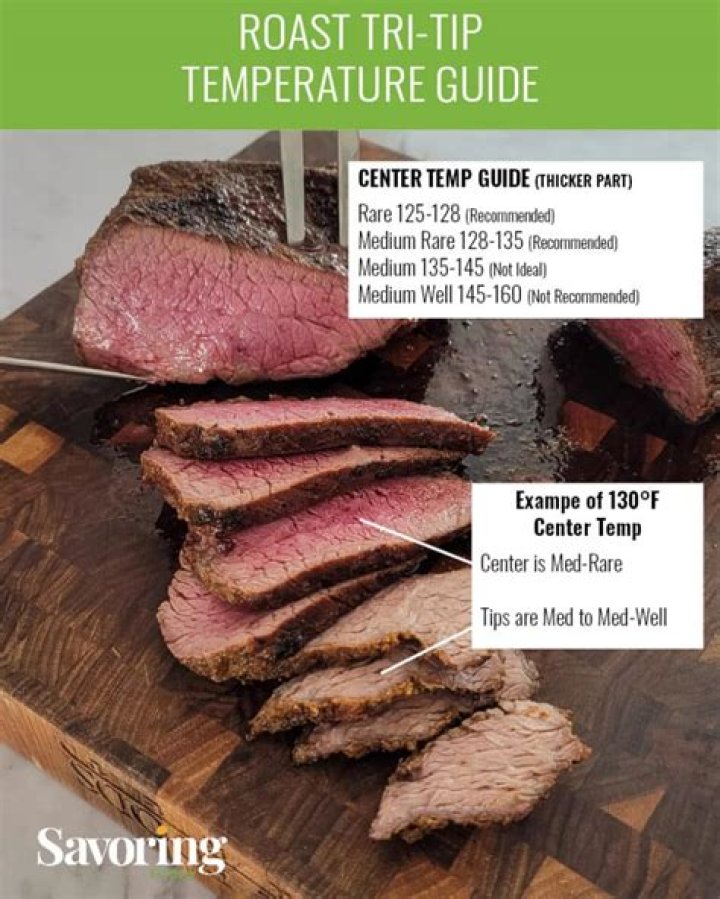
When it comes to cooking the perfect tri tip, understanding the best tri tip temperature is crucial. Tri tip, a cut of beef known for its tenderness and flavor, requires precise temperature control to achieve the ideal doneness. Whether you're a seasoned chef or a home cook, mastering the temperature guidelines for tri tip can elevate your culinary skills and produce restaurant-quality results.
Tri tip has become increasingly popular in recent years due to its affordability and delicious taste. This cut of meat is often used in various dishes, from grilled steaks to roasts. However, the key to unlocking its full potential lies in understanding the temperature requirements that ensure tenderness and juiciness.
In this comprehensive guide, we will delve into the best practices for cooking tri tip, focusing on temperature control, cooking techniques, and tips for achieving the perfect result. By the end of this article, you will have a deep understanding of how to cook tri tip to perfection every time.
Understanding the Basics of Tri Tip Temperature
Why Temperature Matters
Temperature plays a pivotal role in cooking any type of meat, and tri tip is no exception. The internal temperature of the meat determines its doneness, influencing its texture, juiciness, and overall flavor. For tri tip, achieving the right temperature ensures that the meat remains tender and flavorful, without becoming overcooked or dry.
According to the USDA, the safe minimum internal temperature for beef is 145°F (63°C), followed by a three-minute rest. However, many cooks prefer lower temperatures for medium-rare or medium doneness, depending on personal preference.
Key Factors Affecting Temperature
Several factors can affect the cooking temperature of tri tip, including:
- The size and thickness of the cut
- The cooking method used
- The initial temperature of the meat
- The type of equipment used (grill, oven, etc.)
What is Tri Tip?
A Brief Overview
Tri tip, also known as triangle steak due to its distinctive shape, is a cut of beef from the bottom sirloin subprimal. It is a relatively small cut, weighing between 1.5 to 2.5 pounds, and is prized for its rich flavor and tender texture. Tri tip is particularly popular in regions like California, where it is often grilled and served as a centerpiece for barbecues.
Due to its unique muscle structure, tri tip benefits from careful temperature control during cooking. Overcooking can lead to toughness, while undercooking may result in an unpleasant texture. Understanding the best tri tip temperature is essential for achieving the perfect balance.
Best Cooking Methods for Tri Tip
Grilling
Grilling is one of the most popular methods for cooking tri tip. The high heat of the grill sears the outside of the meat, creating a flavorful crust while keeping the interior juicy. To achieve the best results, preheat your grill to medium-high heat and cook the tri tip for approximately 10-15 minutes, turning occasionally.
Oven Roasting
For those who prefer a more controlled cooking environment, oven roasting is an excellent option. Preheat your oven to 400°F (200°C) and sear the tri tip in a hot skillet before transferring it to the oven. This method ensures even cooking and allows for precise temperature monitoring.
Ideal Internal Temperature for Tri Tip
The ideal internal temperature for tri tip depends on your preferred level of doneness. Here are the general guidelines:
- Medium-rare: 130°F - 135°F (54°C - 57°C)
- Medium: 140°F - 145°F (60°C - 63°C)
- Well-done: 160°F (71°C) and above
Using a meat thermometer is the most reliable way to ensure your tri tip reaches the desired temperature. Insert the thermometer into the thickest part of the meat, avoiding any bones or fat.
The Importance of Resting Time
After cooking, it is crucial to let the tri tip rest for at least 10-15 minutes. This resting period allows the juices to redistribute throughout the meat, ensuring maximum tenderness and flavor. Cover the tri tip loosely with foil to keep it warm during the resting time.
Tri Tip Temperature Guide
Temperature Ranges for Different Doneness Levels
Here is a detailed temperature guide for tri tip:
- Rare: 120°F - 125°F (49°C - 51°C)
- Medium-rare: 130°F - 135°F (54°C - 57°C)
- Medium: 140°F - 145°F (60°C - 63°C)
- Medium-well: 150°F - 155°F (66°C - 68°C)
- Well-done: 160°F (71°C) and above
Remember, the temperature will continue to rise by 5-10°F during the resting period, so remove the tri tip from the heat source slightly before reaching your desired temperature.
Tips for Seasoning Tri Tip
Basic Seasoning
For a simple yet flavorful seasoning, use a combination of salt, pepper, garlic powder, and paprika. Rub the seasoning generously over the tri tip and let it sit for at least 30 minutes before cooking. This allows the flavors to penetrate the meat and enhance its natural taste.
Marinades
Marinating tri tip can add an extra layer of flavor. Popular marinades include soy sauce, olive oil, lemon juice, and herbs like rosemary and thyme. Allow the tri tip to marinate for at least 2-4 hours, or overnight for maximum flavor absorption.
Additional Cooking Tips
Preheat Your Equipment
Whether you're using a grill or an oven, preheating is essential for achieving a good sear and ensuring even cooking. A hot grill or skillet will create a flavorful crust on the tri tip, sealing in the juices.
Monitor Temperature Closely
Invest in a high-quality meat thermometer to monitor the internal temperature of your tri tip. This will help you avoid overcooking or undercooking the meat, ensuring perfect results every time.
Common Mistakes to Avoid
Cooking Too Quickly
One common mistake is cooking tri tip too quickly over high heat. While high heat is necessary for searing, cooking the meat too fast can result in an uneven doneness. Use a combination of high and medium heat to achieve the desired results.
Skipping the Resting Period
Another mistake is skipping the resting period after cooking. Failing to let the tri tip rest can cause the juices to escape when slicing, leading to a dry and less flavorful result. Always allow the meat to rest before serving.
Conclusion: Perfecting Your Tri Tip
Mastering the best tri tip temperature is the key to cooking this delicious cut of meat to perfection. By understanding the basics of temperature control, using the right cooking methods, and following essential tips, you can achieve restaurant-quality results in your own kitchen.
We encourage you to share your experiences and tips in the comments below. Have you tried any unique seasoning combinations or cooking techniques? Let us know! And don't forget to explore our other articles for more culinary insights and inspiration.
References:
- USDA Food Safety and Inspection Service
- Food Network
- Serious Eats