
Bob Marley: The Voice of Reggae and a Legend Beyond His Time
By Sophia Edwards
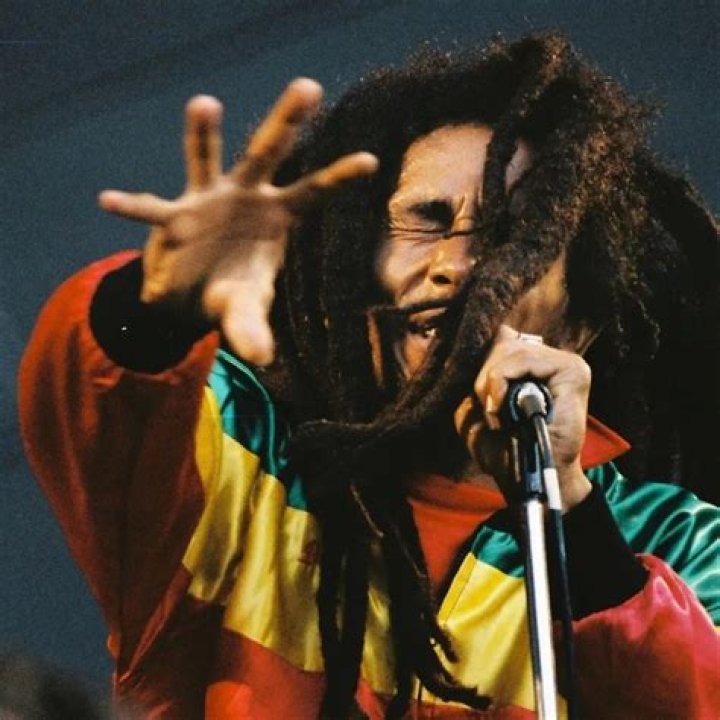
Bob Marley is a name that resonates globally, transcending borders and generations as the face of reggae music and a symbol of peace, love, and resistance. His music has touched millions of lives, and his legacy continues to inspire millions around the world. Born in a small village in Jamaica, Marley's journey from humble beginnings to international stardom is nothing short of extraordinary.
Bob Marley's influence extends far beyond the realm of music. He became an advocate for social justice, a voice for the oppressed, and a symbol of hope for many. Through his lyrics, he spoke of love, unity, and the fight against inequality. His music still holds relevance today, connecting with audiences across different cultures and backgrounds.
In this article, we will explore the life and legacy of Bob Marley, delving into his early years, rise to fame, contributions to music, and the impact he left on the world. Whether you're a fan of reggae or simply curious about one of history's most iconic figures, this article offers a comprehensive look at the man behind the legend.
Bob Marley's Biography
Who Was Bob Marley?
Bob Marley, born on February 6, 1945, in Nine Mile, Jamaica, was a singer, songwriter, and musician who revolutionized reggae music. His full name was Robert Nesta Marley, and he was the son of a Jamaican mother, Cedella Booker, and a British father, Norval Marley. Marley's life was marked by his passion for music, his commitment to social justice, and his ability to unite people through his art.
Biographical Data
| Full Name | Robert Nesta Marley |
|---|---|
| Date of Birth | February 6, 1945 |
| Place of Birth | Nine Mile, Saint Ann Parish, Jamaica |
| Occupation | Singer, Songwriter, Musician |
| Genre | Reggae, Rocksteady, Ska |
| Years Active | 1962–1981 |
Early Life and Upbringing
Bob Marley's early life was shaped by the challenges and opportunities of growing up in rural Jamaica. Raised primarily by his mother in Nine Mile, he experienced poverty and racial discrimination from a young age. Despite these hardships, Marley's love for music was evident from an early age, and he often sang with friends in the village. His move to Kingston at the age of 12 marked the beginning of his journey into the world of music.
Musical Journey and Rise to Fame
First Steps in Music
Bob Marley's musical career began in the early 1960s when he recorded his first single, "Judge Not." This marked the start of his collaboration with producers like Leslie Kong and Coxsone Dodd. Marley's unique voice and style quickly gained attention, leading to the formation of The Wailers, a band that would become synonymous with reggae music.
The Wailers
With The Wailers, Marley released several hit songs, including "Simmer Down" and "Trench Town Rock." The band's sound combined elements of ska, rocksteady, and reggae, creating a unique style that captivated audiences both locally and internationally. Their music addressed themes of poverty, inequality, and hope, resonating deeply with listeners.
The Impact of Reggae Music
Reggae music, popularized by Bob Marley, has had a profound impact on global culture. It introduced the world to the rhythms and sounds of Jamaica while addressing social and political issues. Marley's music brought awareness to the struggles faced by marginalized communities and inspired movements for change. Songs like "No Woman, No Cry" and "Get Up, Stand Up" became anthems for justice and empowerment.
Political Activism and Advocacy
Bob Marley was not just a musician; he was a political activist who used his platform to advocate for change. Through his lyrics, he addressed issues such as colonialism, racism, and inequality. Marley's involvement in politics culminated in events like the "One Love Peace Concert" in 1978, where he famously brought together opposing political leaders in Jamaica.
Bob Marley's Personal Life
Marley's personal life was as fascinating as his public persona. He was married to Rita Marley, with whom he had several children. Marley's family played a significant role in his life, and many of his children followed in his musical footsteps. His spiritual beliefs, rooted in Rastafarianism, influenced both his music and lifestyle.
Health Struggles and Final Days
Despite his global success, Bob Marley faced significant health challenges later in life. Diagnosed with acral lentiginous melanoma in 1977, he initially refused surgery due to his religious beliefs. Over time, the cancer spread, forcing him to seek treatment abroad. Marley passed away on May 11, 1981, in Miami, leaving behind a legacy that continues to inspire millions.
Legacy and Influence
Continuing Influence
Bob Marley's legacy lives on through his music, which continues to resonate with new generations. His songs have been covered by countless artists, and his image remains iconic worldwide. Marley's impact extends beyond music, influencing fashion, art, and social movements. His message of love and unity remains relevant in today's world.
Bob Marley Awards and Recognition
Bob Marley has received numerous posthumous awards and honors, including induction into the Rock and Roll Hall of Fame in 1994. His album "Exodus" was named "Album of the Century" by Time Magazine, and his song "One Love" was voted "Song of the Millennium" by BBC listeners. These accolades underscore Marley's enduring influence on music and culture.
Bob Marley as a Cultural Icon
Bob Marley's status as a cultural icon transcends his role as a musician. He represents the spirit of resistance, the power of music, and the pursuit of justice. His image, often associated with the Rastafarian movement, has become a symbol of peace and unity. Marley's influence can be seen in various aspects of popular culture, from music festivals to film and literature.
Conclusion
Bob Marley's life and career were marked by his dedication to music, social justice, and unity. Through his songs, he spoke to the hearts of millions, transcending cultural and geographical boundaries. His legacy as a musician and activist continues to inspire new generations, proving that his message of love and equality is timeless.
We invite you to share your thoughts on Bob Marley's impact and legacy in the comments below. For more articles on music, history, and culture, explore our website further. Let's keep the conversation alive and honor the memory of a true global icon.
Sources:
- Marley, Rita. "No Woman, No Cry: My Life with Bob Marley." HarperCollins, 2010.
- Putnam, Martha M. "Bob Marley: The Man Who Would Be King." University of Illinois Press, 2016.
- Time Magazine. "Album of the Century: Bob Marley's Exodus." June 1999.