
Brazen Bull Torture Device: The Gruesome History and Facts
By Andrew Thornton
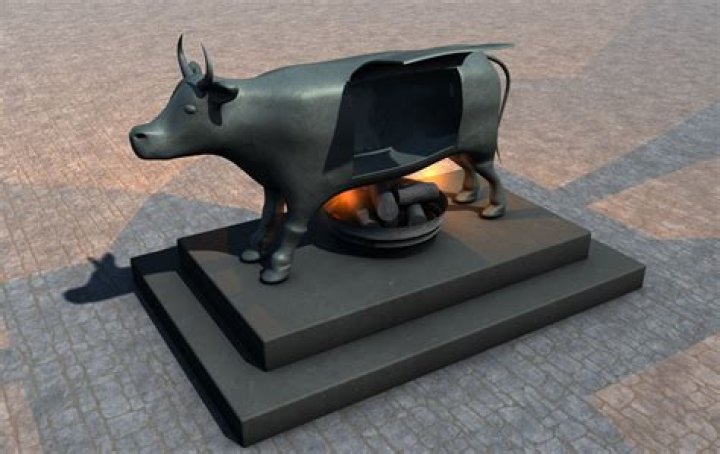
The Brazen Bull, one of history's most infamous torture devices, has left an indelible mark on humanity's dark past. This cruel instrument of torment was designed not only to punish but also to instill fear in entire populations. The device's origins date back to ancient Greece, where it became a symbol of tyranny and brutality. As we delve into the chilling details of this barbaric contraption, prepare to uncover the disturbing truth behind its creation and use.
Throughout history, humanity has witnessed countless acts of cruelty and inhumanity. Among these, the Brazen Bull stands out as one of the most horrifying examples of man's capacity for evil. Its design and purpose were carefully crafted to maximize suffering, making it a potent tool for oppression.
In this article, we will explore the origins, mechanics, and historical significance of the Brazen Bull torture device. By understanding its role in ancient societies, we can gain insight into the darker aspects of human nature and the importance of recognizing and preventing such atrocities today.
The Origin of the Brazen Bull
The Brazen Bull, also known as the Sicilian Bull, originated in ancient Greece during the 6th century BCE. It was created during the reign of Phalaris, the tyrant of Akragas (modern-day Agrigento) in Sicily. The device was commissioned as both a method of execution and a tool to strike fear into the hearts of the populace. Its inventor, Perilaus of Athens, sought to create an instrument that would not only punish but also entertain through the spectacle of suffering.
Historians believe that the Brazen Bull was one of the earliest examples of torture devices designed with psychological warfare in mind. By creating a public spectacle of suffering, rulers like Phalaris aimed to maintain control over their subjects through fear and intimidation.
Historical Context of Torture in Ancient Greece
Torture was a common practice in ancient civilizations, often used as a means of punishment, interrogation, or public humiliation. The Greeks, despite their contributions to philosophy and democracy, were not immune to these brutal practices. The Brazen Bull, however, stands out as one of the most extreme examples of torture in history.
Design and Mechanics of the Brazen Bull
The Brazen Bull was a hollow bronze statue shaped like a bull. Victims were placed inside the bull, which was then sealed shut. The device was placed over a fire, causing the metal to heat up and slowly roast the victim alive. The bull was designed with a series of tubes and chambers that amplified the screams of the victim, making them sound like the bellowing of a bull.
Its intricate design was intended to maximize both physical and psychological suffering. The victim's cries were distorted, creating a chilling auditory experience for those witnessing the execution. This added layer of torment ensured that the Brazen Bull would leave a lasting impression on anyone who witnessed its use.
Materials and Craftsmanship
- The bull was crafted from high-quality bronze, chosen for its durability and heat conductivity.
- Intricate sound chambers were built into the structure to distort the victim's screams.
- The device was often adorned with ornate details, reflecting the wealth and power of its creators.
The Creator: Perilaus of Athens
Perilaus of Athens, the inventor of the Brazen Bull, was a skilled metalsmith and engineer. Commissioned by Phalaris, he designed the device with the intention of creating a spectacle of suffering. Ironically, Perilaus himself would become one of the first victims of his own creation when Phalaris turned the device against him.
Historical accounts suggest that Perilaus was executed in the Brazen Bull as a demonstration of its effectiveness. This grim fate serves as a cautionary tale about the dangers of creating instruments of cruelty.
Bio Data of Perilaus of Athens
| Name | Perilaus |
|---|---|
| Profession | Metalsmith and Engineer |
| Place of Origin | Athens, Greece |
| Notable Work | Creation of the Brazen Bull |
| Death | Executed in the Brazen Bull |
Usage in Ancient Greece
The Brazen Bull was primarily used in Sicily during the reign of Phalaris. It served as a tool for executing criminals, political dissidents, and anyone who opposed the tyrant's rule. The device's public use was intended to deter rebellion and maintain order through fear.
Historical records indicate that the Brazen Bull was used sparingly but effectively. Its reputation alone was enough to instill terror in the population, making it a powerful instrument of control.
Impact on Society
- Reinforced the authority of tyrants and rulers.
- Created a culture of fear and submission among the populace.
- Left a lasting legacy of cruelty and oppression in ancient Greece.
Psychology Behind Torture Devices
The psychology of torture devices like the Brazen Bull is rooted in the desire to exert control and dominance over others. By inflicting extreme physical and psychological pain, rulers could manipulate their subjects into compliance. The public nature of executions served as a powerful deterrent against rebellion or dissent.
Studies in psychology suggest that the spectacle of suffering can have a profound impact on witnesses, creating a sense of helplessness and fear. This psychological effect was deliberately exploited by those who employed such devices.
Modern Research on Torture
According to the International Rehabilitation Council for Torture Victims (IRCT), torture remains a global issue, with thousands of victims reported each year. While the methods may have evolved, the psychological principles behind them remain the same.
Symbolism and Legacy
The Brazen Bull has become a symbol of tyranny and oppression throughout history. Its use in ancient Greece serves as a reminder of the dangers of unchecked power and the importance of safeguarding human rights. Today, the device is often referenced in literature, art, and popular culture as a metaphor for cruelty and inhumanity.
Its legacy extends beyond its historical context, serving as a cautionary tale for future generations. By studying the Brazen Bull and its impact, we can better understand the importance of promoting justice and compassion in society.
Cultural References
- Mentioned in Dante's "Inferno" as a punishment for deceivers.
- Featured in various historical documentaries and films.
- Used as a symbol in political protests against tyranny.
Ethical Implications and Human Rights
The use of torture devices like the Brazen Bull raises significant ethical concerns. Today, international laws and conventions, such as the United Nations Convention Against Torture, prohibit the use of such methods. These laws reflect a global commitment to protecting human rights and preventing the recurrence of historical atrocities.
By understanding the ethical implications of torture, we can work towards a more just and compassionate society. Education and awareness are key to ensuring that such devices remain relics of the past.
Legal Frameworks Against Torture
The United Nations Convention Against Torture, adopted in 1984, defines torture as "any act by which severe pain or suffering, whether physical or mental, is intentionally inflicted on a person." This landmark agreement has been ratified by over 170 countries, demonstrating a global consensus against the use of torture.
Myths and Legends Surrounding the Brazen Bull
Over time, numerous myths and legends have developed around the Brazen Bull. Some accounts claim that the device was used to execute Phalaris himself, while others suggest that it was destroyed after his fall from power. These stories reflect the enduring fascination with this infamous instrument of torture.
Despite the lack of concrete evidence supporting these myths, they serve as a testament to the Brazen Bull's lasting impact on human imagination.
Famous Myths
- Phalaris was executed in the Brazen Bull by his successor.
- The device was used to execute hundreds of victims during its existence.
- Its design inspired similar devices in other cultures.
Modern Perspectives on Torture
In modern times, the use of torture is widely condemned as a violation of human rights. Organizations like Amnesty International and Human Rights Watch work tirelessly to expose and combat torture practices around the world. Despite these efforts, torture remains a persistent problem in many regions.
By learning from history, we can better address the root causes of torture and work towards a more humane future. Education, advocacy, and international cooperation are essential in this ongoing struggle.
Global Efforts to Combat Torture
According to Amnesty International, torture is still practiced in over 140 countries worldwide. Efforts to combat this issue include:
- Training law enforcement officials on human rights standards.
- Providing support and rehabilitation for torture victims.
- Advocating for stronger legal protections against torture.
Conclusion
The Brazen Bull stands as a chilling reminder of humanity's capacity for cruelty and the importance of safeguarding human rights. By examining its origins, mechanics, and historical significance, we gain a deeper understanding of the darker aspects of human nature. As we move forward, it is crucial to remember the lessons of the past and strive towards a more just and compassionate society.
We invite you to share your thoughts and insights in the comments section below. By engaging in open dialogue, we can continue to raise awareness about the importance of human rights and the prevention of torture. For more articles on history and human rights, explore our other content and join the conversation.


