
Broil vs Bake: A Comprehensive Guide to Mastering Your Oven Techniques
By Matthew Harrington
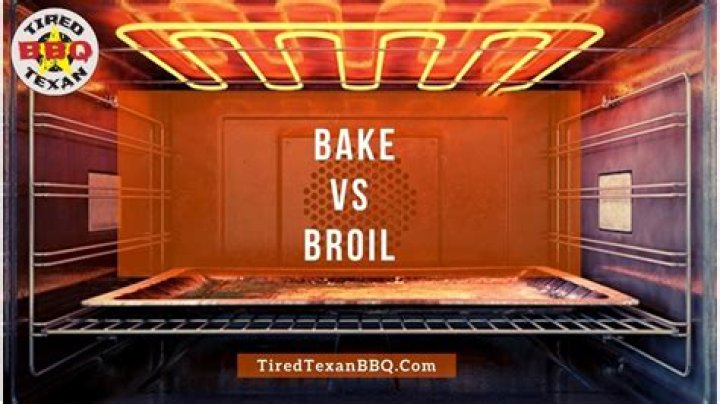
When it comes to cooking, understanding the difference between broil vs bake can make or break your culinary experience. Many home cooks often confuse these two methods, but they serve entirely different purposes and yield distinct results. In this article, we will delve into the nuances of broiling and baking, helping you make informed decisions in the kitchen.
Baking and broiling are both popular oven techniques used worldwide. However, knowing when to use each method is crucial for achieving the perfect texture and flavor in your dishes. Whether you're roasting vegetables, preparing a succulent chicken, or baking a delicious cake, understanding the differences can elevate your cooking skills.
By the end of this article, you will have a clear understanding of broil vs bake, their applications, and how to choose the right method for your recipes. Let's dive in and master these essential cooking techniques!
What is Baking?
Baking is a cooking method that uses dry heat, typically in an oven, to cook food evenly. It involves surrounding the food with consistent heat from all sides, making it ideal for recipes that require uniform cooking. Baking is commonly associated with dishes like bread, cakes, cookies, and roasted vegetables.
One of the key characteristics of baking is its ability to produce a golden crust while ensuring the inside remains tender and moist. The temperature for baking usually ranges between 300°F and 400°F (149°C to 204°C), depending on the recipe. This method is perfect for dishes that need extended cooking times to achieve the desired texture.
Advantages of Baking
- Even cooking throughout the dish
- Ideal for recipes requiring longer cooking times
- Produces a crispy exterior and tender interior
What is Broiling?
Broiling, on the other hand, is a high-heat cooking method that uses direct radiant heat from the top element of the oven. It is similar to grilling but is performed indoors. Broiling is perfect for quickly searing foods and achieving a charred, caramelized finish.
This method is ideal for cooking thinner cuts of meat, fish, or vegetables that benefit from high heat and rapid cooking. Broiling typically operates at temperatures above 500°F (260°C), allowing food to cook quickly and develop a rich flavor profile.
Advantages of Broiling
- Fast cooking time
- Perfect for achieving a crispy, caramelized crust
- Great for cooking smaller or thinner cuts of food
Key Differences Between Broiling and Baking
While both broiling and baking use the oven, they differ significantly in terms of heat source, cooking time, and the types of food they are best suited for. Here’s a breakdown of the key differences:
- Heat Source: Baking uses consistent heat from all sides, while broiling relies on direct heat from the top element.
- Cooking Time: Baking generally takes longer, whereas broiling is quick and efficient.
- Temperature: Baking operates at moderate temperatures, while broiling uses extremely high heat.
- Food Types: Baking is ideal for larger, denser foods, while broiling works best for thinner, quicker-cooking items.
Temperature Comparison
Understanding the temperature differences between broiling and baking is essential for choosing the right method. Baking typically operates within the range of 300°F to 400°F (149°C to 204°C), making it suitable for recipes that require slow, even cooking. Broiling, however, uses temperatures above 500°F (260°C), providing intense heat for rapid cooking.
According to the U.S. Department of Agriculture (USDA), using the correct temperature is crucial for food safety and quality. Always ensure your oven is preheated to the appropriate temperature before starting your cooking process.
Cooking Time
The cooking time for broiling and baking varies significantly based on the method and the type of food being prepared. Baking often requires longer cooking times, ranging from 20 minutes to several hours, depending on the recipe. Broiling, in contrast, is a quick method, with cooking times typically ranging from 5 to 15 minutes.
For example, baking a chicken requires approximately 1 hour at 375°F (190°C), while broiling a steak may only take 5 to 7 minutes per side at 500°F (260°C). Understanding these differences will help you plan your meals more effectively.
Best Foods for Baking
Baking is ideal for a wide range of foods, including:
- Meats like chicken, beef, and pork
- Vegetables such as potatoes, carrots, and Brussels sprouts
- Baked goods like bread, cakes, and cookies
- Casseroles and gratins
Baking allows these foods to cook evenly, developing a crispy exterior while retaining moisture inside. It is a versatile method suitable for both savory and sweet dishes.
Best Foods for Broiling
Broiling excels with foods that benefit from high heat and quick cooking. Some of the best foods for broiling include:
- Steak and other thin cuts of meat
- Fish fillets like salmon or tilapia
- Vegetables such as asparagus, zucchini, and bell peppers
- Marinated chicken breasts or chops
Broiling creates a delicious crust on these foods, enhancing their natural flavors and textures. It is particularly useful for achieving a restaurant-quality finish at home.
When to Use Broil vs Bake
Choosing between broiling and baking depends on the type of food and the desired outcome. Here are some guidelines to help you decide:
- Bake: Use baking for larger cuts of meat, casseroles, baked goods, and vegetables that require even cooking.
- Broil: Opt for broiling when you want to quickly sear meat, fish, or vegetables and achieve a caramelized finish.
For example, if you're preparing a large turkey for Thanksgiving, baking is the way to go. On the other hand, if you're cooking a filet mignon for a special dinner, broiling will give you the perfect crust and flavor.
Common Mistakes to Avoid
Even experienced cooks can make mistakes when using broiling or baking techniques. Here are some common pitfalls to avoid:
- Overcrowding the Oven: Ensure there is enough space for heat to circulate evenly, especially when baking.
- Overcooking with Broil: Broiling happens quickly, so keep a close eye on your food to prevent burning.
- Incorrect Oven Rack Position: Place the rack in the correct position for optimal results. For broiling, the food should be close to the top element.
By avoiding these mistakes, you can achieve consistent and delicious results every time.
Tips for Perfect Results
To master the art of broiling and baking, consider these helpful tips:
- Preheat Your Oven: Always preheat your oven to the correct temperature before starting to cook.
- Use the Right Equipment: Invest in quality bakeware and broiling pans to enhance your cooking experience.
- Experiment with Recipes: Try new recipes to discover the full potential of your oven's capabilities.
- Monitor Cooking Times: Keep an eye on your food, especially when broiling, to avoid overcooking or burning.
By following these tips, you can elevate your cooking skills and impress your family and friends with delicious meals.
Kesimpulan
In conclusion, understanding the difference between broil vs bake is essential for achieving the best results in your cooking. Baking is ideal for even, consistent cooking, while broiling is perfect for quick, high-heat searing. By choosing the right method for your recipes, you can create mouthwatering dishes that satisfy your taste buds.
We encourage you to try out both methods and experiment with different recipes to discover what works best for you. Don't forget to share your experiences and tips in the comments below. For more cooking advice and delicious recipes, explore our other articles on the site.


