
Can Vaseline Expire? Understanding the Shelf Life of Vaseline and How to Use It Safely
By Sophia Edwards
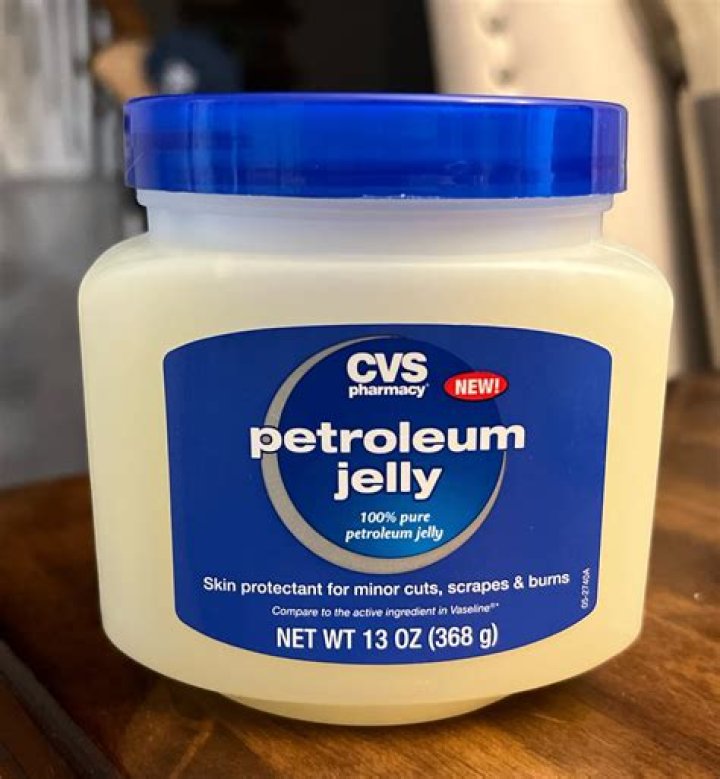
Vaseline, a popular petroleum-based product, is often considered a household staple for its versatility and long shelf life. But can Vaseline expire? Many users wonder whether this product has an expiration date and how to ensure its safety over time. In this article, we will explore the shelf life of Vaseline, its potential risks, and how to store it properly to maximize its effectiveness.
Whether you use Vaseline for skincare, protecting cuts and burns, or as a moisturizer, understanding its expiration and proper usage is essential. As a product that’s been trusted for over a century, Vaseline continues to be a go-to solution for many everyday problems. However, like any product, it’s important to know its limitations and how to handle it correctly.
This article will delve into the science behind Vaseline, its expiration concerns, and practical tips for maintaining its quality. By the end, you’ll have a comprehensive understanding of whether Vaseline can expire and how to use it safely for various applications.
What is Vaseline?
Vaseline, originally known as petroleum jelly, is a semi-solid mixture of hydrocarbons. It was invented in the late 19th century by Robert Chesebrough, who discovered the potential of refining the waxy substance found on oil rigs. Since then, Vaseline has become a staple in households worldwide due to its versatility and effectiveness.
History of Vaseline
The history of Vaseline dates back to 1859 when Chesebrough noticed a residue on oil rigs and began experimenting with it. He eventually developed a purified version of this residue, which he called petroleum jelly. The product gained popularity quickly because of its ability to soothe skin irritations and promote healing.
Composition of Vaseline
Vaseline is composed of long-chain hydrocarbons derived from petroleum. Its non-polar nature makes it an excellent barrier against moisture loss, which is why it's often used as a moisturizer. Additionally, it forms a protective layer on the skin, preventing external irritants from causing damage.
Can Vaseline Expire?
One of the most common questions about Vaseline is whether it can expire. The short answer is yes, but the timeframe is quite long. Unlike food products or certain cosmetics, Vaseline has a shelf life measured in decades rather than months or years.
Understanding the Concept of Expiration
Expiration refers to the point at which a product begins to lose its effectiveness or becomes unsafe to use. For Vaseline, this process is gradual and depends on factors such as storage conditions and contamination.
Factors Affecting Expiration
- Storage Conditions: Exposure to heat, light, or moisture can accelerate the degradation of Vaseline.
- Contamination: Introducing foreign substances or bacteria into the product can shorten its usable lifespan.
- Quality of Ingredients: High-quality Vaseline is less likely to degrade quickly compared to lower-quality alternatives.
Shelf Life of Vaseline
The shelf life of Vaseline is generally considered to be indefinite under ideal conditions. However, most manufacturers recommend using it within three to five years for optimal effectiveness. This timeframe ensures that the product remains safe and effective for its intended purposes.
Manufacturing Standards
Vaseline is produced under strict manufacturing standards to ensure its purity and safety. The refining process removes impurities, making it safe for topical use. This rigorous process contributes to its long shelf life.
Potential Degradation Over Time
While Vaseline itself doesn't degrade easily, the packaging or external factors can affect its quality. For example, if the jar is left open for extended periods, it may attract dust or bacteria, compromising its sterility.
Signs of Vaseline Expiration
Although Vaseline has a long shelf life, there are signs that indicate it may no longer be safe or effective to use. Recognizing these signs can help you avoid potential risks.
Changes in Appearance
If you notice any discoloration, such as a yellowish tint or dark spots, it may indicate contamination or degradation. Fresh Vaseline should have a uniform, clear appearance.
Unusual Odor
A foul or rancid smell is a clear indicator that Vaseline has gone bad. If the product develops an unpleasant odor, it’s best to discard it and replace it with a fresh container.
Texture Changes
Vaseline should have a smooth, creamy texture. If it becomes grainy or develops lumps, it may have lost its integrity and should not be used.
Storage Tips for Vaseline
Proper storage is key to extending the shelf life of Vaseline. By following these tips, you can ensure that your product remains effective and safe for use.
Avoid Direct Sunlight
Store Vaseline in a cool, dark place away from direct sunlight. Exposure to sunlight can cause the product to degrade more quickly.
Keep It Sealed
Always keep the container tightly sealed when not in use. This prevents air and moisture from entering, which can lead to contamination.
Avoid Extreme Temperatures
Extreme heat or cold can affect the quality of Vaseline. Store it at room temperature to maintain its integrity.
Safety Considerations When Using Vaseline
While Vaseline is generally safe, there are some precautions you should take to avoid potential risks. Understanding these considerations can help you use the product more effectively and safely.
Do Not Ingest
Vaseline is not intended for ingestion. If accidentally swallowed, consult a healthcare professional immediately.
Avoid Using on Deep Wounds
Vaseline should not be used on deep wounds or cuts, as it can trap bacteria and delay healing. It’s best suited for superficial irritations or as a protective barrier.
Test for Allergies
Although rare, some individuals may experience allergic reactions to Vaseline. Perform a patch test before applying it to large areas of the skin.
Uses of Vaseline
Vaseline has a wide range of applications, from skincare to household uses. Its versatility makes it an invaluable product in many households.
Skincare Benefits
- Moisturizes dry skin
- Protects against environmental irritants
- Helps heal minor cuts and burns
Household Uses
- Lubricates stuck zippers
- Prevents rust on metal surfaces
- Protects leather items from moisture
Common Myths About Vaseline
There are several myths surrounding Vaseline that can lead to misunderstandings about its use. Let’s address some of these misconceptions.
Myth: Vaseline Causes Acne
While Vaseline can clog pores if used excessively, it is not inherently acne-causing. Using it sparingly and on non-sensitive areas minimizes this risk.
Myth: Vaseline is Harmful to the Environment
Vaseline itself does not pose a significant environmental threat. However, proper disposal of containers is important to minimize waste.
Frequently Asked Questions
Q: Can Vaseline be used on babies?
A: Yes, Vaseline is safe for use on babies when applied in moderation. It’s often used to prevent diaper rash and soothe irritated skin.
Q: Does Vaseline have an expiration date?
A: While Vaseline doesn’t have a strict expiration date, it’s recommended to replace it every three to five years for optimal effectiveness.
Q: Can Vaseline be used on pets?
A: Vaseline can be used on pets for minor skin irritations, but consult a veterinarian for specific advice based on your pet’s needs.
Conclusion
In conclusion, while Vaseline can technically expire, its shelf life is exceptionally long when stored properly. Understanding its potential risks and proper usage ensures that you can enjoy its benefits safely. Whether you’re using it for skincare, household repairs, or other applications, Vaseline remains a versatile and reliable product.
We encourage you to share this article with others who may benefit from understanding the shelf life and proper use of Vaseline. If you have any questions or additional tips, feel free to leave a comment below. Stay informed and make the most out of this timeless household staple!


