
Comprehensive Guide to Los Angeles County Property Tax: What You Need to Know
By Michael Gray
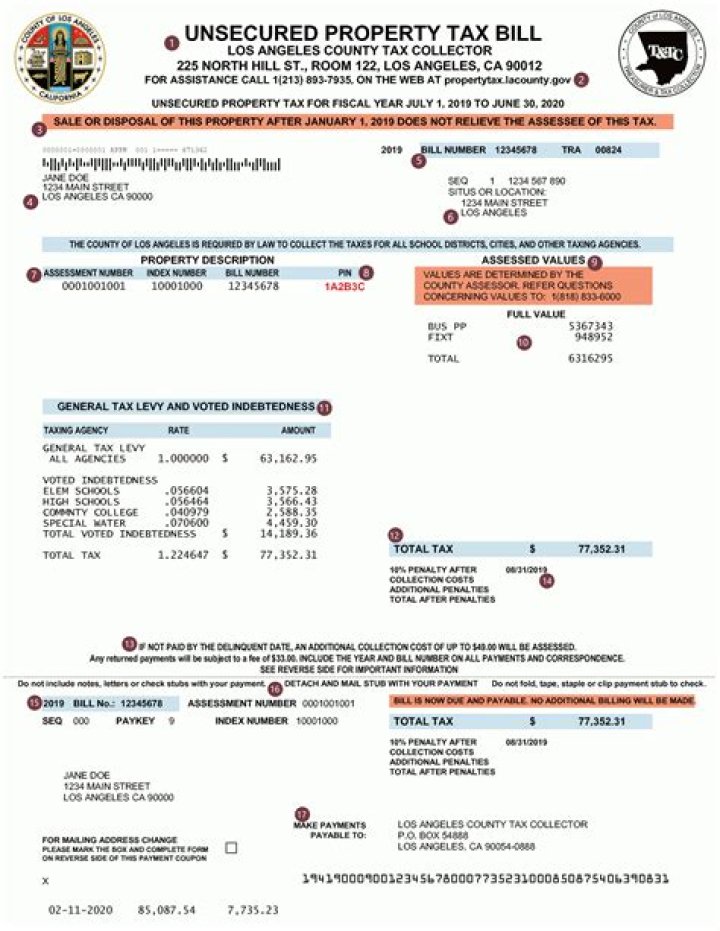
Los Angeles County property tax is a critical financial responsibility for homeowners in one of the most dynamic regions of California. Understanding how property taxes work, the rates, exemptions, and payment processes is essential for managing your finances effectively. Whether you're a first-time homeowner or a long-term resident, staying informed about property taxes can save you money and prevent legal issues.
Property taxes are a significant source of revenue for local governments, funding essential services like public schools, emergency services, and infrastructure. In Los Angeles County, these taxes play a vital role in maintaining the quality of life for residents. However, navigating the complexities of property tax laws can be challenging without proper guidance.
This article aims to provide a comprehensive overview of Los Angeles County property tax, covering everything from how it's calculated to available exemptions and appeals processes. By the end of this guide, you'll have a clear understanding of your responsibilities and rights as a property owner in Los Angeles County.
Introduction to Los Angeles County Property Tax
Los Angeles County property tax is a levy imposed on real estate properties within the county. It is assessed annually based on the assessed value of the property. The funds generated from these taxes support various public services, including education, law enforcement, and public works projects.
Property taxes in Los Angeles County are governed by Proposition 13, which was passed in 1978. This legislation limits the annual increase in assessed value to no more than 2% and caps the tax rate at 1% of the property's assessed value. Understanding these regulations is crucial for property owners to manage their tax obligations effectively.
Why Property Tax Matters
Property taxes are not just a financial obligation but also a reflection of the value of your property. They impact your overall cost of homeownership and can affect your property's market value over time. Staying informed about property tax laws and assessments ensures you're not overpaying and can take advantage of available exemptions.
How Los Angeles County Property Tax is Calculated
The calculation of Los Angeles County property tax involves several factors, including the assessed value of the property and the applicable tax rate. The assessed value is determined by the Los Angeles County Assessor's Office and is typically based on the property's market value at the time of purchase.
Key Factors in Tax Calculation
- Assessed Value: The value assigned to your property by the county assessor.
- Tax Rate: The percentage applied to the assessed value to determine the tax amount. In Los Angeles County, the base rate is 1%, with additional rates for special assessments.
- Exemptions: Certain properties or owners may qualify for reductions in their assessed value or tax rates.
Understanding Property Tax Rates in Los Angeles County
The property tax rate in Los Angeles County is composed of the base rate of 1% plus additional rates for voter-approved bonds and special assessments. These additional rates vary depending on the location of the property within the county.
For example, a property owner in one city might pay an additional 0.5% for local school bonds, while another in a different city might pay 0.3% for transportation improvements. It's important to check with the Los Angeles County Assessor's Office for the exact rate applicable to your property.
Breaking Down the Tax Rates
To give you a clearer picture, here's a breakdown of how the rates might look:
- Base Rate: 1%
- Local School Bonds: 0.5%
- Transportation Improvements: 0.3%
- Total Rate: 1.8%
Property Assessment Process
The property assessment process in Los Angeles County begins with the county assessor evaluating the market value of your property. This evaluation is typically based on recent sales of similar properties in the area, the property's condition, and any improvements made.
Under Proposition 13, the assessed value of a property can only increase by a maximum of 2% per year unless there is a change in ownership or new construction. This provides stability in property tax payments and protects homeowners from sudden spikes in taxes.
Challenging an Assessment
If you believe your property has been overassessed, you have the right to appeal the assessment. The Los Angeles County Assessment Appeals Board handles these appeals, and you can submit your case by providing evidence that the assessed value does not reflect the property's actual market value.
Available Exemptions and Relief Programs
Los Angeles County offers several exemptions and relief programs to help homeowners manage their property tax obligations. These programs are designed to assist specific groups, such as seniors, veterans, and disabled individuals, who may face financial challenges.
Types of Exemptions
- Homeowner's Exemption: Reduces the assessed value of a primary residence by $7,000.
- Senior Citizen Exemption: Provides relief for homeowners over 55 years old who meet income requirements.
- Veteran's Exemption: Offers a reduction in assessed value for qualifying veterans.
Appealing Your Property Tax Assessment
If you disagree with your property tax assessment, you can file an appeal with the Los Angeles County Assessment Appeals Board. The process involves submitting a written application and supporting documentation that demonstrates the assessed value is inaccurate.
The board will review your case and may request additional information or schedule a hearing. It's important to gather all relevant evidence, including recent property sales and appraisal reports, to support your appeal.
Steps to File an Appeal
- Complete the application form provided by the Los Angeles County Assessment Appeals Board.
- Gather documentation supporting your case, such as appraisal reports and comparable sales data.
- Submit your application by the deadline, which is typically by September 15th each year.
Payment Options and Deadlines
Property taxes in Los Angeles County are due in two installments: the first by December 10th and the second by April 10th. Payments can be made online, by mail, or in person at the Los Angeles County Treasurer and Tax Collector's Office.
It's crucial to pay your taxes on time to avoid penalties and interest charges. Setting up automatic payments or reminders can help ensure you meet the deadlines.
Payment Methods
- Online Payment: Through the Los Angeles County Treasurer and Tax Collector's website.
- Mail Payment: Send a check or money order to the Treasurer and Tax Collector's Office.
- In-Person Payment: Visit one of the designated payment centers in Los Angeles County.
Penalties for Late Payments
Failure to pay property taxes on time can result in significant penalties and interest charges. In Los Angeles County, a 10% penalty is applied to any unpaid balance after the due date, and interest accrues at a rate of 1.5% per month until the balance is paid in full.
Additionally, if property taxes remain unpaid for an extended period, the county may place a lien on the property or initiate foreclosure proceedings. It's essential to prioritize paying your property taxes to avoid these consequences.
Avoiding Penalties
To avoid penalties, consider the following tips:
- Set up automatic payments or reminders to ensure timely payments.
- Review your tax bill carefully to ensure accuracy and address any discrepancies immediately.
- Explore payment plans or assistance programs if you're facing financial difficulties.
Resources for Homeowners
Los Angeles County provides several resources to assist homeowners in understanding and managing their property tax obligations. The Los Angeles County Assessor's Office and Treasurer and Tax Collector's Office offer online tools, guides, and contact information for inquiries.
Additionally, various community organizations and legal aid services can provide guidance on property tax appeals and exemptions. Staying informed and utilizing these resources can help you make the most of your property ownership experience.
Useful Links
- Los Angeles County Assessor's Office
- Los Angeles County Treasurer and Tax Collector
- Los Angeles County Government
Conclusion and Next Steps
Understanding Los Angeles County property tax is essential for managing your finances as a homeowner. From how it's calculated to available exemptions and appeals processes, staying informed can help you avoid unnecessary expenses and legal issues. By utilizing the resources provided by the county and staying proactive in your tax management, you can ensure a smooth homeownership experience.
We encourage you to take the following steps:
- Review your property tax bill and assessment annually.
- Explore available exemptions and relief programs to reduce your tax burden.
- Stay updated on changes in property tax laws and regulations.
If you found this guide helpful, please share it with others who may benefit from the information. Additionally, feel free to leave a comment or question below, and we'll be happy to assist you further.


