
Costa Rica Electric Plug: Your Ultimate Guide for Travelers
By Sophia Edwards
Planning a trip to Costa Rica? Understanding the country's electric plug system is essential to ensure your devices stay powered and safe during your stay. Whether you're charging your phone, laptop, or other electronics, being prepared with the right adapters and converters will save you from potential headaches.
Costa Rica, with its lush rainforests and vibrant culture, attracts millions of visitors annually. However, one often-overlooked aspect of travel preparation is understanding the local electricity standards. In this guide, we'll walk you through everything you need to know about Costa Rica's electric plugs, voltage, and frequency.
By the end of this article, you'll be equipped with all the necessary information to avoid common electrical pitfalls while traveling. Let's dive in and ensure your devices stay charged and ready to capture every memorable moment in Costa Rica.
Overview of Costa Rica's Electric Plug System
When traveling to Costa Rica, it's important to familiarize yourself with the country's electric plug system. The electric infrastructure in Costa Rica is designed to accommodate modern appliances, but there are some key differences compared to other regions of the world. Understanding these differences will help you prepare adequately for your trip.
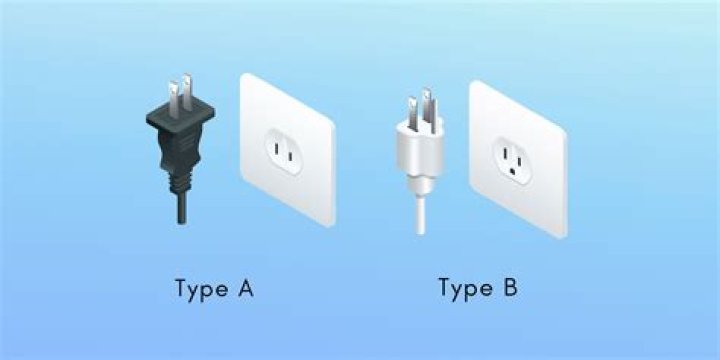
Costa Rica uses Type A and Type B electric plugs, which are similar to those found in the United States and Canada. These plugs operate on a standard voltage of 110-120 volts and a frequency of 60 Hz. If your devices are compatible with this voltage range, you may only need a plug adapter to connect to local outlets.
However, travelers from countries with different voltage standards, such as Europe or Asia, may require both an adapter and a voltage converter to safely charge their devices. Always check the specifications of your electronics to ensure compatibility before arriving in Costa Rica.
Types of Electric Plugs Used in Costa Rica
Understanding Plug Types A and B
The two primary types of electric plugs used in Costa Rica are Type A and Type B. These plugs are widely recognized and compatible with most North American devices. Here's a breakdown of each type:
- Type A: This plug has two flat prongs and is commonly used for smaller devices like smartphones and laptops.
- Type B: This plug features two flat prongs with a grounding pin, making it suitable for larger appliances that require additional safety features.
Most hotels and public spaces in Costa Rica are equipped with outlets that support both plug types, ensuring convenience for travelers from North America. However, if you're from a region that uses different plug types, you'll need an adapter to connect your devices to local outlets.
Voltage and Frequency in Costa Rica
Costa Rica operates on a standard voltage of 110-120 volts and a frequency of 60 Hz. This is consistent with the electrical standards in the United States and Canada. If your devices are designed to handle this voltage range, they should work seamlessly in Costa Rica without the need for a voltage converter.
However, travelers from countries with higher voltage standards, such as Europe (220-240 volts), may encounter issues when attempting to use their electronics in Costa Rica. In such cases, a voltage converter is necessary to prevent damage to your devices. Always verify the voltage compatibility of your appliances before traveling to avoid potential hazards.
Do You Need an Adapter for Costa Rica?
Whether or not you need an adapter for Costa Rica depends on the type of plugs used in your home country. If you're traveling from the United States, Canada, or other regions that use Type A and Type B plugs, you won't need an adapter since Costa Rican outlets are compatible with these standards.
For travelers from countries with different plug types, such as Europe or Asia, an adapter is essential to connect your devices to local outlets. Adapters are widely available at electronics stores and travel shops, both at home and in Costa Rica. However, it's advisable to purchase one before your trip to ensure compatibility and avoid last-minute inconveniences.
When to Use a Voltage Converter
Identifying Devices That Require Voltage Conversion
While many modern electronics, such as smartphones and laptops, are dual-voltage and can handle both 110-120 volts and 220-240 volts, some appliances may not be compatible with Costa Rica's voltage standards. Hairdryers, curling irons, and other high-wattage devices are particularly prone to voltage-related issues.
If your devices are designed for higher voltages, such as those used in Europe, a voltage converter is necessary to prevent damage. Voltage converters are available in various sizes and capacities, depending on the power requirements of your appliances. Always choose a converter that matches the wattage of your devices to ensure safe and efficient operation.
Practical Tips for Charging Devices in Costa Rica
Here are some practical tips to help you stay connected and powered up during your trip to Costa Rica:
- Carry spare adapters and converters to avoid running out of charging options.
- Use power banks to extend the battery life of your devices, especially during outdoor activities.
- Be mindful of power surges, especially in rural areas, and consider using surge protectors to safeguard your electronics.
- Charge your devices during the day to ensure they're ready for use in the evening.
By following these tips, you can ensure a smooth and hassle-free experience while managing your electronics in Costa Rica.
Essential Travel Accessories for Electronics
When traveling to Costa Rica, it's important to pack the right accessories to keep your devices functioning properly. Here's a list of essentials to consider:
- Plug adapters compatible with Type A and Type B outlets.
- Voltage converters for high-wattage appliances, if necessary.
- Power strips or multi-outlet adapters to maximize charging capacity.
- USB cables and chargers for smartphones, tablets, and other portable devices.
- Power banks for on-the-go charging during excursions.
Packing these essentials will ensure you're prepared for any electrical challenges that may arise during your trip.
Safety Considerations for Using Electronics Abroad
Using electronics in a foreign country comes with certain risks, but with proper precautions, you can minimize potential hazards. Here are some safety tips to keep in mind:
- Always verify the voltage compatibility of your devices before plugging them into local outlets.
- Use surge protectors to shield your electronics from power fluctuations.
- Avoid using counterfeit adapters or converters, as they may not meet safety standards.
- Store your electronics in secure locations to prevent theft or damage.
By prioritizing safety, you can enjoy peace of mind while using your devices in Costa Rica.
Frequently Asked Questions About Costa Rica Electric Plug
Q1: Are Costa Rican outlets compatible with US plugs?
Yes, Costa Rican outlets are compatible with Type A and Type B plugs, which are standard in the United States. If your devices use these plug types, you won't need an adapter.
Q2: Do I need a voltage converter for Costa Rica?
Only if your devices are designed for higher voltages, such as those used in Europe. Costa Rica operates on 110-120 volts, so dual-voltage devices should work without issue.
Q3: Are power outages common in Costa Rica?
Power outages can occur, especially in rural areas. It's advisable to carry a power bank or backup power source to ensure your devices remain charged during unexpected interruptions.
Conclusion
In conclusion, understanding Costa Rica's electric plug system is crucial for a seamless travel experience. By familiarizing yourself with the country's voltage, frequency, and plug types, you can ensure your devices remain powered and protected throughout your stay.
We encourage you to share this article with fellow travelers and leave your thoughts in the comments below. For more travel tips and insights, explore our other articles and stay connected with the latest updates. Happy travels to Costa Rica, and may your devices stay charged and ready for adventure!


