
Costa Rica Plug Outlet: A Comprehensive Guide for Travelers and Residents
By John Peck
When traveling to Costa Rica, understanding the country's electrical systems is essential for ensuring your devices stay powered and safe. Costa Rica plug outlet standards differ from other countries, and being prepared can prevent frustrating situations or potential hazards. Whether you're planning a short vacation or moving to this beautiful Central American country, knowing the plug types, voltage, and frequency is crucial.
Costa Rica has become an increasingly popular destination for tourists, expatriates, and digital nomads alike. Its stunning landscapes, rich biodiversity, and welcoming culture make it an ideal location for adventurers and nature enthusiasts. However, before you pack your bags, it's important to familiarize yourself with the country's electrical system to ensure your devices are compatible with local outlets.
This article will provide you with a detailed overview of Costa Rica plug outlets, including plug types, voltage standards, and adapters you may need. By the end, you'll be well-prepared to handle any electrical challenges during your stay in Costa Rica.
Table of Contents
- Costa Rica Plug Types
- Voltage and Frequency in Costa Rica
- Do You Need an Adapter in Costa Rica?
- Voltage Converters: Are They Necessary?
- Common Locations for Costa Rica Plug Outlets
- Safety Tips for Using Electrical Devices in Costa Rica
- Dealing with Power Outages in Costa Rica
- Sustainable Energy in Costa Rica
- Cost of Electricity in Costa Rica
- Final Thoughts on Costa Rica Plug Outlets
Costa Rica Plug Types
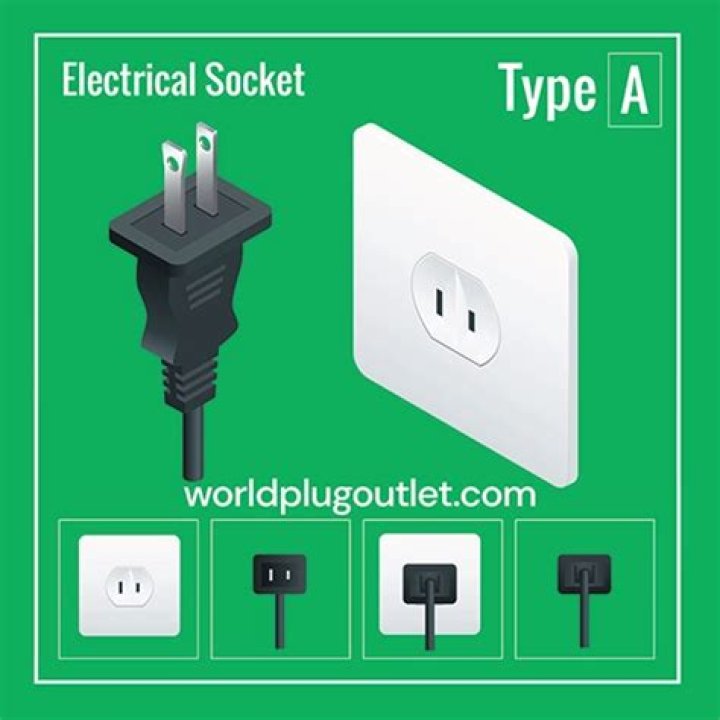
Costa Rica primarily uses Type A and Type B plugs, which are also known as NEMA 1-15 and NEMA 5-15, respectively. These plug types are commonly found in North America, including the United States and Canada.
Understanding Type A and Type B Plugs
Type A plugs have two flat prongs, while Type B plugs have two flat prongs and a grounding pin. Most electronic devices, such as smartphones, laptops, and cameras, are compatible with these plug types. If your device uses a different plug type, you may need a plug adapter to connect it to Costa Rican outlets.
- Type A: Two flat prongs (ungrounded)
- Type B: Two flat prongs with a grounding pin (grounded)
Voltage and Frequency in Costa Rica
The standard voltage in Costa Rica is 110V, and the frequency is 60Hz. This is the same as in the United States and Canada. However, if you're traveling from a country with a different voltage standard, such as Europe (220V-240V), you may need a voltage converter to ensure your devices function properly.
Why Voltage and Frequency Matter
Voltage and frequency differences can affect the performance and safety of your electronic devices. Devices designed for higher voltages may overheat or malfunction when used in a lower-voltage environment, and vice versa. Additionally, some devices, especially those with motors or transformers, may not operate correctly at different frequencies.
Do You Need an Adapter in Costa Rica?
If you're traveling from a country that uses Type A or Type B plugs, such as the United States or Canada, you won't need an adapter. However, if your devices use a different plug type, such as Type C (European) or Type G (British), you'll need a plug adapter to connect them to Costa Rican outlets.
Types of Adapters Available
Plug adapters are widely available in electronic stores and online. When purchasing an adapter, ensure it supports both Type A and Type B plugs, as some outlets in Costa Rica may only accommodate one type. Additionally, consider purchasing a travel adapter with multiple ports for convenience.
Voltage Converters: Are They Necessary?
While most modern electronic devices are dual-voltage and can handle both 110V and 220V, some appliances, such as hairdryers and electric kettles, may require a voltage converter to function properly in Costa Rica. Always check the voltage requirements of your devices before traveling.
Choosing the Right Voltage Converter
Voltage converters come in various sizes and capacities. For small electronics, a lightweight converter may suffice. However, if you're bringing larger appliances, such as a hairdryer or curling iron, you'll need a more robust converter capable of handling higher wattages.
Common Locations for Costa Rica Plug Outlets
In Costa Rica, electrical outlets can be found in various locations, including hotels, restaurants, and public spaces. Most hotels provide ample outlets for guests to charge their devices, and some even offer USB ports for added convenience.
Outlet Availability in Public Spaces
While outlets are readily available in hotels and restaurants, they may be less common in public spaces such as parks or beaches. If you plan to spend extended periods outdoors, consider bringing a portable power bank to keep your devices charged.
Safety Tips for Using Electrical Devices in Costa Rica
Using electrical devices in a foreign country can pose certain risks. To ensure your safety, follow these tips:
- Always use high-quality adapters and converters from reputable manufacturers.
- Avoid overloading outlets with too many devices at once.
- Keep electrical devices away from water sources to prevent accidents.
- Inspect outlets and adapters for signs of damage or wear before use.
Dealing with Power Outages in Costa Rica
Power outages can occur in Costa Rica, especially during the rainy season. While they are generally infrequent, it's wise to be prepared. Consider investing in a portable power bank or generator to ensure you have backup power during unexpected outages.
Causes of Power Outages in Costa Rica
Power outages in Costa Rica are often caused by inclement weather, such as heavy rain or strong winds. Additionally, infrastructure issues or maintenance work can lead to temporary disruptions in service. Staying informed about local weather conditions can help you anticipate potential outages.
Sustainable Energy in Costa Rica
Costa Rica is a global leader in sustainable energy, with over 99% of its electricity generated from renewable sources. The country relies heavily on hydroelectric, wind, and geothermal power, making it an environmentally friendly destination for travelers.
Benefits of Renewable Energy
Renewable energy not only reduces carbon emissions but also promotes energy independence and economic growth. Costa Rica's commitment to sustainability has earned it international recognition and serves as a model for other countries seeking to transition to cleaner energy sources.
Cost of Electricity in Costa Rica
The cost of electricity in Costa Rica varies depending on usage and location. As of 2023, the average residential electricity rate is approximately $0.15 per kilowatt-hour (kWh). However, rates may increase during peak usage periods or in areas with limited infrastructure.
Factors Affecting Electricity Costs
Several factors can influence the cost of electricity in Costa Rica, including:
- Time of day (peak vs. off-peak hours)
- Seasonal variations (dry vs. rainy season)
- Location (urban vs. rural areas)
Final Thoughts on Costa Rica Plug Outlets
Understanding Costa Rica plug outlets and electrical systems is essential for ensuring a smooth and safe experience in this beautiful country. By familiarizing yourself with plug types, voltage standards, and adapter requirements, you can avoid potential issues and enjoy your stay without worry.
We encourage you to share this article with fellow travelers or leave a comment below if you have any questions or additional tips. For more information on traveling to Costa Rica, explore our other articles and resources. Stay safe, and happy travels!
Data Source: International Energy Agency and World Bank.


