
Definition of 5150: Understanding the Meaning, Legal Implications, and Its Role in Mental Health
By Michael Gray
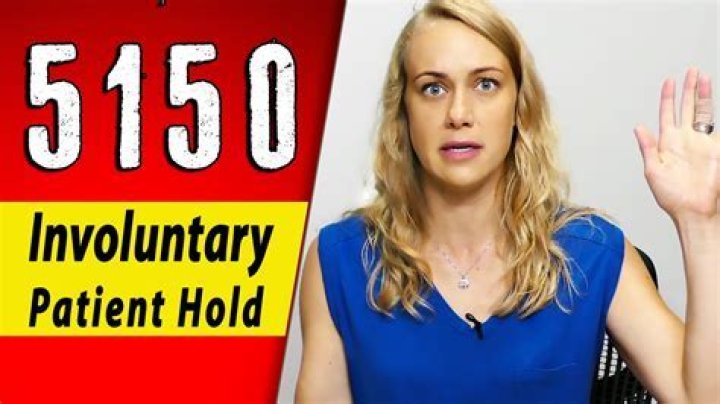
The term "5150" has become a widely recognized phrase in discussions surrounding mental health in the United States. It refers to a specific section of the California Welfare and Institutions Code that allows for involuntary psychiatric hold for individuals who pose a danger to themselves or others. Understanding what 5150 means is crucial for anyone involved in mental health advocacy, law enforcement, or healthcare. This article will delve into the definition of 5150, its implications, and its role in modern mental health care.
As mental health awareness continues to grow, it is essential to explore the nuances of legal mechanisms like 5150. The term has been featured in media, movies, and even music, often leading to misconceptions about its purpose and application. By breaking down the definition of 5150, we can better understand how it is used to protect individuals and communities in crisis.
Throughout this article, we will explore the origins of 5150, its legal framework, and its practical applications. We'll also examine its controversies, benefits, and the importance of informed decision-making when invoking this code. Whether you're a healthcare professional, law enforcement officer, or simply someone interested in mental health, this article will provide a comprehensive overview of the topic.
History of 5150
The term "5150" originates from the California Welfare and Institutions Code, which was established to provide a legal framework for handling mental health crises. Enacted in 1967, this law was part of a broader movement to reform mental health care in the United States. The section specifically addresses involuntary psychiatric holds, allowing for a 72-hour evaluation and treatment period for individuals deemed a danger to themselves, others, or gravely disabled.
Historically, the introduction of 5150 was a response to the deinstitutionalization movement of the mid-20th century. This movement sought to reduce the number of people housed in long-term psychiatric facilities by promoting community-based care. However, the transition was not without challenges, and 5150 emerged as a tool to address acute mental health crises in a more structured manner.
Origins of the Code
The origins of 5150 can be traced back to the efforts of mental health advocates and lawmakers who recognized the need for a balanced approach to mental health care. By providing a legal mechanism for short-term holds, 5150 aimed to ensure that individuals in crisis received timely intervention while protecting their rights.
Legal Framework of 5150
Understanding the legal framework of 5150 is essential for grasping its significance. The code allows authorized individuals, such as law enforcement officers and mental health professionals, to issue a 72-hour hold for evaluation and treatment. This hold is designed to provide time for a thorough assessment of the individual's mental state and determine the appropriate course of action.
The legal framework of 5150 emphasizes the importance of protecting individual rights while addressing urgent mental health concerns. It requires that the decision to issue a hold be based on clear evidence of danger, ensuring that the process is not abused or misused.
Key Provisions
- 72-hour evaluation period for mental health assessment
- Protection of individual rights during the hold
- Requirement for documented evidence of danger
Who Can Issue a 5150?
The authority to issue a 5150 is limited to specific individuals trained in mental health evaluation. These include law enforcement officers, designated mental health professionals, and in some cases, emergency room physicians. Their ability to issue a 5150 is based on their expertise and training in identifying signs of mental distress and potential danger.
This limitation ensures that the process is handled by qualified individuals who understand the complexities of mental health crises. It also helps prevent misuse of the code by untrained personnel.
Training and Certification
Professionals authorized to issue a 5150 undergo rigorous training and certification processes. This training equips them with the skills to assess mental health situations accurately and make informed decisions about the necessity of a hold.
Criteria for Issuing a 5150
Issuing a 5150 is not a decision made lightly. It requires meeting specific criteria, including evidence that the individual poses a danger to themselves or others or is gravely disabled. These criteria ensure that the hold is used appropriately and only in cases where it is truly necessary.
The criteria for issuing a 5150 are outlined in the California Welfare and Institutions Code and are designed to protect both the individual and the community. They emphasize the importance of careful evaluation and documentation to support the decision.
Key Criteria
- Pose a danger to self or others
- Gravely disabled (unable to provide for basic needs)
- Evidence-based assessment of mental state
The Process of a 5150 Hold
Once a 5150 hold is issued, a structured process ensures that the individual receives appropriate care and evaluation. The process begins with transportation to a designated facility, where a comprehensive mental health assessment is conducted. During this 72-hour period, the individual is evaluated by mental health professionals to determine the need for further treatment or intervention.
The process is designed to prioritize the safety and well-being of the individual while respecting their rights. It involves collaboration between healthcare providers, law enforcement, and mental health professionals to ensure a coordinated response to the crisis.
Steps in the Process
- Transportation to a designated facility
- Mental health assessment by professionals
- Documentation of findings and recommendations
After Effects of a 5150 Hold
Following a 5150 hold, the individual may face various outcomes, depending on the results of the evaluation. These outcomes can include voluntary or involuntary treatment, release with follow-up care, or further legal proceedings. The after-effects of a 5150 hold are crucial in shaping the individual's mental health journey and determining the next steps in their care.
It is important to note that the after-effects of a 5150 hold are not limited to the individual. Family members, caregivers, and mental health professionals may also be involved in the follow-up process, ensuring that the individual receives ongoing support and care.
Possible Outcomes
- Voluntary or involuntary treatment
- Release with follow-up care
- Further legal proceedings
Controversies Surrounding 5150
While 5150 has been instrumental in addressing mental health crises, it is not without controversy. Critics argue that the code can lead to stigmatization and potential misuse, particularly when applied to marginalized communities. There are concerns about the balance between protecting individual rights and ensuring public safety.
Despite these controversies, proponents of 5150 emphasize its importance in providing a legal framework for addressing acute mental health crises. Ongoing discussions and reforms aim to address these concerns while preserving the code's effectiveness.
Addressing Concerns
Efforts to address the controversies surrounding 5150 include increased training for professionals, improved documentation processes, and greater emphasis on cultural competence. These measures aim to ensure that the code is applied fairly and effectively across all communities.
Statistics on 5150 Usage
Data on the usage of 5150 provides valuable insights into its application and effectiveness. According to the California Department of Health Care Services, the number of 5150 holds has been steadily increasing over the years, reflecting a growing awareness of mental health issues and the need for intervention.
Statistics also highlight disparities in the application of 5150 across different demographic groups, underscoring the need for continued efforts to ensure equitable access to mental health care.
Key Statistics
- Increasing number of 5150 holds annually
- Disparities in application across demographic groups
- Impact on mental health care outcomes
Impact on Mental Health Care
The definition of 5150 extends beyond its legal framework to its broader impact on mental health care. By providing a mechanism for timely intervention, 5150 plays a crucial role in addressing acute mental health crises. However, it is only one part of a larger system that requires continued improvement and innovation.
Efforts to enhance mental health care include expanding access to community-based services, increasing funding for mental health programs, and promoting mental health awareness and education. These initiatives aim to complement the role of 5150 in creating a more comprehensive and effective mental health care system.
Future Directions
The future of mental health care will depend on continued collaboration between policymakers, healthcare providers, and mental health advocates. By addressing the limitations of current systems and embracing innovative approaches, we can create a more supportive and inclusive environment for individuals in crisis.
The Future of 5150
As mental health care continues to evolve, the role of 5150 will likely adapt to meet changing needs and challenges. Advances in technology, increased awareness, and ongoing reforms will shape the future of this critical tool in mental health intervention.
The definition of 5150 will remain relevant as long as there is a need for structured intervention in mental health crises. By staying informed and engaged, we can ensure that this code continues to serve its intended purpose while respecting individual rights and promoting mental health awareness.
Conclusion
In conclusion, understanding the definition of 5150 is essential for anyone involved in mental health care, law enforcement, or advocacy. By exploring its history, legal framework, and practical applications, we can better appreciate its role in addressing mental health crises. While controversies and challenges remain, the importance of 5150 in providing timely intervention cannot be overstated.
We invite you to share your thoughts and experiences in the comments below. Your feedback and insights can help shape the ongoing conversation about mental health care and the role of 5150 in this critical area. Additionally, feel free to explore other articles on our site for more information on mental health and related topics.


