
Different Types of Pit Bull Dogs: A Comprehensive Guide to Understanding Their Varieties
By Sophia Edwards
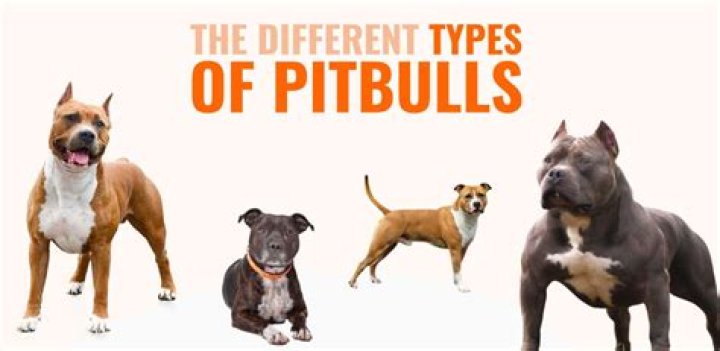
When it comes to pit bull dogs, many people are unaware of the wide variety of breeds that fall under this category. Pit bulls are not a single breed but a group of dogs with similar characteristics and traits. Understanding the different types of pit bull dogs is essential for anyone looking to adopt or learn more about these loyal and energetic companions.
Despite their reputation, pit bulls are known for their friendly nature, intelligence, and strong bond with their families. However, there is often confusion surrounding the various breeds that are classified as pit bulls. This article aims to provide a detailed overview of the different types of pit bull dogs, their unique traits, and the importance of responsible ownership.
By exploring the history, physical characteristics, and temperaments of these breeds, we can dispel myths and promote a better understanding of these remarkable dogs. Let's dive into the world of pit bull dogs and discover what makes each type unique.
History of Pit Bull Dogs
The history of pit bull dogs dates back to the 19th century when they were bred in England, Ireland, and Scotland. Initially, these dogs were used for bull-baiting and other blood sports. However, as these activities were banned, breeders focused on creating a more versatile and family-friendly dog.
Immigrants brought these dogs to the United States, where they became popular for their strength, loyalty, and protective nature. Pit bulls were used in various roles, including farm work, guarding property, and even as family companions. Over time, the breed evolved into the beloved dogs we know today.
Today, pit bulls are celebrated for their intelligence, adaptability, and affectionate nature. Despite facing stereotypes and misconceptions, they continue to prove themselves as loyal and loving companions.
Common Types of Pit Bull Dogs
There are several breeds commonly referred to as pit bulls. While they share some similarities, each type has its own unique characteristics. Below, we explore the most common types of pit bull dogs:
American Pit Bull Terrier
The American Pit Bull Terrier (APBT) is one of the most well-known pit bull breeds. Known for their muscular build and friendly demeanor, these dogs are versatile and excel in various roles, from family pets to working dogs.
- Weight: 30–60 pounds
- Height: 18–21 inches
- Coat: Short and smooth
- Temperament: Loyal, confident, and affectionate
American Staffordshire Terrier
Often mistaken for the American Pit Bull Terrier, the American Staffordshire Terrier is a distinct breed recognized by the American Kennel Club (AKC). They are slightly smaller and have a more refined appearance compared to the APBT.
- Weight: 40–50 pounds
- Height: 17–19 inches
- Coat: Short and glossy
- Temperament: Gentle, courageous, and loving
Staffordshire Bull Terrier
The Staffordshire Bull Terrier, or Staffie, is a smaller breed originating from England. Known for their playful nature and affectionate personality, they make excellent family pets.
- Weight: 24–38 pounds
- Height: 14–16 inches
- Coat: Short and smooth
- Temperament: Energetic, loyal, and people-oriented
American Bulldog
While not traditionally classified as a pit bull, the American Bulldog shares some similarities with pit bull breeds. They are larger and have a more robust build, making them ideal for working roles.
- Weight: 60–120 pounds
- Height: 20–28 inches
- Coat: Short and stiff
- Temperament: Confident, protective, and friendly
Physical Characteristics of Pit Bull Dogs
Pit bull dogs are known for their muscular build, strong jaws, and athletic bodies. These physical traits make them well-suited for various activities, from agility training to weight pulling. Below are some key physical characteristics:
- Muscular Frame: Pit bulls have a well-defined musculature that contributes to their strength and agility.
- Short Coat: Their short, smooth coat is easy to maintain and comes in a variety of colors and patterns.
- Strong Jaws: Pit bulls have a powerful bite force, which was originally bred into them for working purposes.
- Compact Size: Most pit bull breeds are medium-sized, making them suitable for both urban and rural living environments.
Temperament and Personality Traits
The temperament of pit bull dogs is often misunderstood. Contrary to popular belief, these dogs are naturally affectionate, friendly, and eager to please. Below are some key personality traits:
- Loyal: Pit bulls form strong bonds with their families and are known for their unwavering loyalty.
- Playful: These dogs have a playful and energetic nature, making them great companions for active individuals.
- Intelligent: Pit bulls are highly intelligent and excel in obedience training and problem-solving tasks.
- Social: With proper socialization, pit bulls can get along well with other dogs and animals.
Training and Socialization Tips
Training and socialization are crucial for raising a well-behaved and confident pit bull. Here are some tips to help you get started:
- Start Early: Begin training and socialization as early as possible to establish good habits.
- Positive Reinforcement: Use treats, praise, and play to reward desired behaviors.
- Consistency: Be consistent with commands and rules to avoid confusion.
- Expose to Different Environments: Introduce your pit bull to various people, animals, and environments to build confidence.
Health Considerations
Like all breeds, pit bulls are prone to certain health issues. Regular veterinary care and a healthy lifestyle can help prevent or manage these conditions. Common health concerns include:
- Hip Dysplasia: A genetic condition affecting the hip joint, leading to arthritis and mobility issues.
- Allergies: Pit bulls are prone to skin allergies, which can cause itching and irritation.
- Heart Disease: Some pit bull breeds are at risk of developing heart conditions, such as cardiomyopathy.
- Obesity: Maintaining a healthy weight through proper diet and exercise is essential for their overall well-being.
Common Myths About Pit Bull Dogs
Unfortunately, pit bulls are often the subject of misinformation and stereotypes. Below are some common myths and the truth behind them:
- Myth: Pit bulls are inherently aggressive. Truth: Aggression is not a breed-specific trait. Proper training and socialization can prevent behavioral issues.
- Myth: Pit bulls have locking jaws. Truth: There is no scientific evidence to support this claim. Like all dogs, pit bulls have strong jaw muscles but do not possess a "locking" mechanism.
- Myth: Pit bulls are dangerous and unpredictable. Truth: With responsible ownership, pit bulls are loving and trustworthy companions.
Conclusion and Final Thoughts
In conclusion, understanding the different types of pit bull dogs is essential for anyone interested in these remarkable breeds. From the American Pit Bull Terrier to the Staffordshire Bull Terrier, each type offers unique qualities that make them excellent companions.
By dispelling myths and promoting responsible ownership, we can ensure a brighter future for pit bulls and their families. If you're considering adopting a pit bull, remember that proper training, socialization, and care are key to a happy and healthy relationship.
We invite you to share your thoughts and experiences with pit bull dogs in the comments below. Additionally, explore our other articles for more information on dog breeds, training tips, and pet care advice. Together, we can create a more informed and compassionate community for all animals.
References:
- American Kennel Club (AKC) - https://www.akc.org
- United Kennel Club (UKC) - https://www.ukcdogs.com
- ASPCA - https://www.aspca.org