Discover the Opposite Color to Blue: A Comprehensive Guide
By Andrew Thornton
Blue is one of the most popular colors globally, but have you ever wondered what its opposite color is? Understanding the opposite color to blue can enhance your knowledge of color theory, design principles, and even psychology. Whether you're an artist, designer, or simply curious about colors, this article will explore everything you need to know about the opposite of blue.
Colors play a vital role in our daily lives, influencing emotions, perceptions, and decisions. From branding to interior design, the right combination of colors can create powerful effects. By learning about the opposite color to blue, you'll gain insights into how complementary colors work and how they can be used effectively in various contexts.
This article will delve into the science behind color theory, explore the concept of complementary colors, and provide practical examples of how to use them. We'll also discuss the psychological impact of colors and how they can enhance visual appeal. Let's dive in!
What is Color Theory?
Color theory is the foundation of understanding how colors interact with each other. It involves the study of color relationships, harmony, and the psychological effects of colors. Artists, designers, and scientists use color theory to create visually appealing compositions and communicate specific messages.
The concept of color theory dates back to the 17th century when Sir Isaac Newton discovered the color spectrum by refracting light through a prism. Since then, numerous studies and theories have expanded our understanding of colors and their applications.
Key Principles of Color Theory
- Primary colors: Red, blue, and yellow
- Secondary colors: Created by mixing two primary colors (e.g., green, orange, violet)
- Tertiary colors: A blend of primary and secondary colors
- Complementary colors: Colors located opposite each other on the color wheel
What is the Opposite Color to Blue?
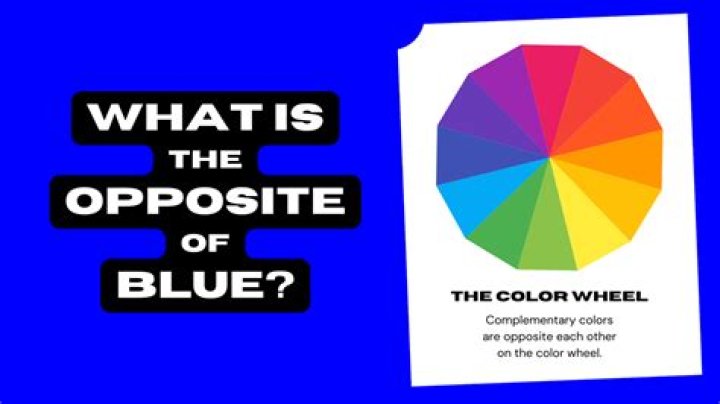
The opposite color to blue is orange. On the traditional color wheel, blue and orange are positioned directly across from each other, making them complementary colors. Complementary colors enhance each other's intensity when placed side by side, creating a striking visual contrast.
Orange is a warm, vibrant color that complements the cool, calming nature of blue. This contrast makes them ideal for use in design, art, and various creative fields. Understanding the relationship between blue and orange can help you create balanced and visually appealing compositions.
Why Orange is the Opposite of Blue
Orange is the opposite of blue because it is a secondary color created by mixing red and yellow, two colors that are farthest from blue on the color wheel. This relationship is based on the principles of color theory and the way our eyes perceive colors.
Understanding the Color Wheel
The color wheel is a visual representation of color relationships. It is a circular diagram that organizes colors based on their relationships to one another. Artists and designers use the color wheel to choose harmonious color combinations and understand the concept of complementary colors.
There are three types of color wheels:
- Traditional color wheel: Based on the RYB (red, yellow, blue) color model used in art
- RGB color wheel: Based on the additive color model used in digital technology
- CMY color wheel: Based on the subtractive color model used in printing
How the Color Wheel Works
On the traditional color wheel, blue is located at the top, with orange directly opposite it. This positioning highlights their complementary relationship. By understanding the color wheel, you can create harmonious color schemes and explore the possibilities of color combinations.
The Power of Complementary Colors
Complementary colors are pairs of colors that are opposite each other on the color wheel. When placed side by side, they create a strong visual contrast that enhances their individual intensity. This effect is due to the way our eyes process colors and the principles of color perception.
Using complementary colors in design can create dynamic and visually appealing compositions. For example, combining blue and orange can evoke feelings of balance and harmony while maintaining a vibrant energy.
Benefits of Using Complementary Colors
- Enhances visual contrast
- Creates dynamic compositions
- Improves readability and focus
- Evokes emotional responses
The Psychology of Blue and Its Opposite
Colors have a profound impact on human emotions and behavior. Blue is often associated with calmness, trust, and stability, making it a popular choice for branding and design. On the other hand, orange represents energy, enthusiasm, and creativity. The contrast between these two colors can evoke a range of emotions and create a powerful visual impact.
Studies have shown that blue can lower blood pressure and reduce stress, while orange can increase appetite and stimulate social interaction. Understanding the psychological effects of colors can help you choose the right colors for your projects and achieve the desired emotional response.
Emotional Responses to Blue and Orange
- Blue: Calm, trustworthy, and reliable
- Orange: Energetic, optimistic, and creative
Practical Applications in Design
The combination of blue and orange is widely used in various fields, including graphic design, web design, and branding. By leveraging the power of complementary colors, designers can create visually striking compositions that capture attention and convey specific messages.
For example, many sports teams use blue and orange in their logos and uniforms to represent strength, energy, and teamwork. Similarly, brands often use this color combination to appeal to a wide audience and create a memorable identity.
Examples of Blue and Orange in Design
- Sport team logos
- Corporate branding
- Website design
- Product packaging
Using Opposite Colors in Art
Artists have long used complementary colors to create dynamic and engaging works of art. By placing blue and orange side by side, artists can enhance the intensity of each color and create a sense of movement and depth. This technique is commonly used in painting, photography, and digital art.
Some famous artists who have used complementary colors in their work include Vincent van Gogh, Henri Matisse, and Pablo Picasso. Their use of contrasting colors adds vibrancy and emotion to their art, making it more impactful and memorable.
Tips for Using Complementary Colors in Art
- Experiment with different shades and tints
- Balance warm and cool tones
- Create contrast to draw attention
Opposite Colors in Interior Design
In interior design, the combination of blue and orange can create a harmonious and visually appealing space. Blue is often used in bedrooms and living rooms to promote relaxation, while orange can add warmth and energy to kitchens and dining areas. By using these colors together, designers can create a balanced and inviting environment.
When incorporating blue and orange into interior design, it's important to consider the proportions and placement of each color. For example, you might use blue as the dominant color and add pops of orange through accessories and decor.
Design Ideas for Blue and Orange
- Blue walls with orange accents
- Orange furniture with blue cushions
- Blue and orange lighting schemes
Opposite Colors in Fashion
The fashion industry frequently uses complementary colors to create bold and stylish outfits. Blue and orange can be paired in various ways, from subtle accents to bold patterns. This combination is particularly popular in sportswear, swimwear, and accessories.
Designers often use blue and orange in their collections to create eye-catching looks that stand out on the runway. By experimenting with different textures, patterns, and proportions, they can achieve a wide range of styles and aesthetics.
Styling Tips for Blue and Orange
- Pair blue jeans with an orange top
- Add orange accessories to a blue outfit
- Experiment with blue and orange patterns
Opposite Colors in Digital Technology
In digital technology, the concept of complementary colors is used in various applications, including web design, user interface design, and digital art. By understanding how colors interact on screens, designers can create visually appealing and user-friendly interfaces that enhance the overall experience.
For example, blue and orange are often used in website design to create a balance between professionalism and creativity. This combination can improve readability, focus, and engagement, making it an effective choice for many digital platforms.
Best Practices for Digital Design
- Use blue for text and orange for accents
- Create contrast for important elements
- Balance warm and cool tones
Frequently Asked Questions
What is the opposite color to blue?
The opposite color to blue is orange. On the traditional color wheel, blue and orange are positioned directly across from each other, making them complementary colors.
Why are complementary colors important?
Complementary colors enhance each other's intensity when placed side by side, creating a strong visual contrast. This effect is due to the way our eyes process colors and the principles of color perception.
How can I use blue and orange in design?
You can use blue and orange in various ways, depending on the context and desired effect. For example, you might use blue as the dominant color and add pops of orange for accents. Alternatively, you could create a balanced composition by using equal proportions of both colors.
Kesimpulan
Understanding the opposite color to blue and its applications can enhance your knowledge of color theory and improve your design skills. Whether you're an artist, designer, or simply curious about colors, the combination of blue and orange offers endless possibilities for creativity and expression.
We encourage you to experiment with complementary colors in your projects and explore the effects they can create. Don't forget to leave a comment below and share your thoughts on this article. For more insights into color theory and design, check out our other articles on the website.