
Discover the Remarkable Benefits of Horseradish Root for Health and Wellness
By Emma Valentine
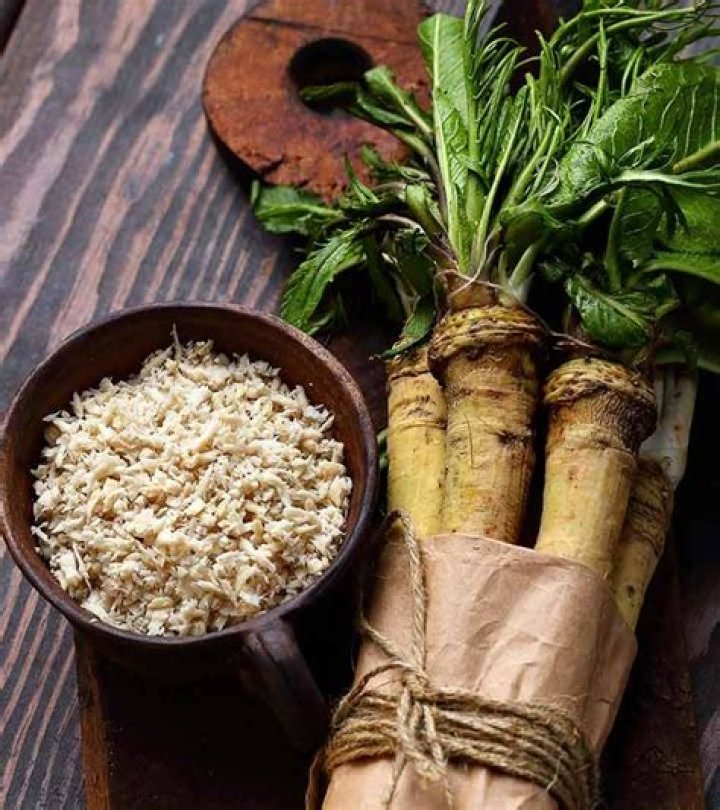
Horseradish root has long been celebrated for its powerful health benefits and culinary versatility. This potent root vegetable, known scientifically as Armoracia rusticana, is a member of the Brassicaceae family, which also includes cabbage and mustard. Horseradish is not only a flavorful condiment but also a treasure trove of nutrients and medicinal properties that can significantly enhance your overall well-being.
Throughout history, horseradish has been used both as a culinary ingredient and as a natural remedy for various ailments. Its sharp, pungent flavor is derived from compounds called glucosinolates, which break down into isothiocyanates when the root is grated or chopped. These compounds are responsible for the distinctive taste and the numerous health benefits associated with horseradish.
In this comprehensive guide, we will explore the wide range of benefits of horseradish root, backed by scientific research and expert insights. Whether you're looking to boost your immune system, improve digestion, or simply add more flavor to your meals, horseradish root may be the perfect addition to your diet.
Table of Contents
- What is Horseradish Root?
- Nutritional Profile of Horseradish Root
- Health Benefits of Horseradish Root
- Culinary Uses of Horseradish Root
- Tips for Preparing Horseradish Root
- Potential Side Effects of Horseradish Root
- Scientific Research on Horseradish Root
- Comparison to Other Roots
- Where to Buy Horseradish Root
- Conclusion
What is Horseradish Root?
Horseradish root is a perennial plant native to southeastern Europe and western Asia. It has been cultivated for centuries for its thick, fleshy root, which is used as a condiment and medicinal herb. The plant grows up to 1.5 meters tall and produces white flowers during the summer months. The root itself is long, tapering, and covered with a rough, brown skin.
Horseradish root is known for its intense flavor, which is caused by the release of allyl isothiocyanate when the root is grated or chopped. This compound not only gives horseradish its signature heat but also contributes to its health-promoting properties. The root can be used fresh, dried, or preserved in vinegar to extend its shelf life.
Nutritional Profile of Horseradish Root
Horseradish root is a nutrient-dense food that provides a variety of essential vitamins and minerals. A 100-gram serving of horseradish contains:
- Vitamin C: 24.9 mg (41% of the Daily Value)
- Potassium: 293 mg (6% of the Daily Value)
- Folate: 18 µg (4% of the Daily Value)
- Manganese: 0.16 mg (7% of the Daily Value)
- Dietary Fiber: 1.8 g (7% of the Daily Value)
Additionally, horseradish root is low in calories, making it an excellent choice for those looking to maintain a healthy weight while enjoying its numerous health benefits.
Health Benefits of Horseradish Root
Boosts Immune System
Horseradish root is rich in vitamin C, a powerful antioxidant that supports the immune system by stimulating the production of white blood cells. These cells help the body fight off infections and diseases. Regular consumption of horseradish can help strengthen your immune system and reduce the risk of illness.
Supports Digestive Health
The compounds found in horseradish root have been shown to improve digestion by stimulating the production of gastric juices. This can help break down food more efficiently and reduce symptoms of indigestion, such as bloating and gas. Additionally, the fiber content in horseradish promotes healthy bowel movements and prevents constipation.
Antimicrobial Properties
Horseradish root contains allyl isothiocyanate, a compound with potent antimicrobial properties. Studies have shown that this compound can inhibit the growth of bacteria, fungi, and viruses, making horseradish an effective natural remedy for infections. It has also been used traditionally to treat urinary tract infections and respiratory infections.
Culinary Uses of Horseradish Root
Horseradish root is a versatile ingredient that can be used in a variety of dishes. Here are some popular ways to incorporate horseradish into your meals:
- Grate fresh horseradish root and mix with vinegar to create a zesty condiment for roast beef or sandwiches.
- Add grated horseradish to sauces, such as béarnaise or hollandaise, for an extra kick of flavor.
- Use horseradish as a marinade ingredient for meats, poultry, or fish to tenderize and enhance taste.
- Incorporate horseradish into salad dressings or dips for a refreshing twist.
Tips for Preparing Horseradish Root
Preparing horseradish root at home is simple and rewarding. Follow these tips to get the most out of this powerful root:
- Choose fresh horseradish roots that are firm and free of blemishes.
- Peel the root carefully with a sharp knife before grating to avoid damaging the flesh.
- Grate the horseradish in a well-ventilated area, as the fumes can be strong and irritate the eyes and nose.
- Mix the grated horseradish with vinegar immediately to preserve its flavor and prevent oxidation.
Potential Side Effects of Horseradish Root
While horseradish root offers numerous health benefits, it is important to consume it in moderation. Excessive consumption may cause stomach irritation or allergic reactions in some individuals. Pregnant or breastfeeding women should consult their healthcare provider before consuming horseradish, as it may not be suitable for everyone.
Scientific Research on Horseradish Root
Research into the health benefits of horseradish root has shown promising results. A study published in the Journal of Agricultural and Food Chemistry found that the isothiocyanates in horseradish have potent anticancer properties. Another study in the International Journal of Food Sciences and Nutrition highlighted the cardiovascular benefits of consuming horseradish due to its high antioxidant content.
Comparison to Other Roots
When compared to other roots like ginger and turmeric, horseradish stands out for its unique flavor and health benefits. While ginger is known for its anti-inflammatory properties and turmeric for its curcumin content, horseradish offers a powerful antimicrobial effect and immune-boosting capabilities. Each root has its own distinct advantages, making them complementary additions to a healthy diet.
Where to Buy Horseradish Root
Horseradish root can be found in many grocery stores, farmers' markets, and online retailers. Look for fresh roots that are firm and free of soft spots. If you prefer pre-prepared horseradish, check the labels for minimal additives and preservatives to ensure you're getting the best quality product.
Conclusion
The benefits of horseradish root extend far beyond its culinary uses. From boosting the immune system to supporting digestive health and providing antimicrobial protection, this versatile root offers a wealth of health benefits backed by scientific research. Incorporating horseradish into your diet can enhance both your meals and your overall well-being.
We encourage you to try horseradish root in your cooking and share your experiences with us in the comments below. Don't forget to explore our other articles for more insights into healthy living and natural remedies. Thank you for reading, and we hope you found this guide both informative and inspiring!


