
Do Melanesians Have African Ancestry? Unraveling the Genetic Tapestry
By Michael Gray
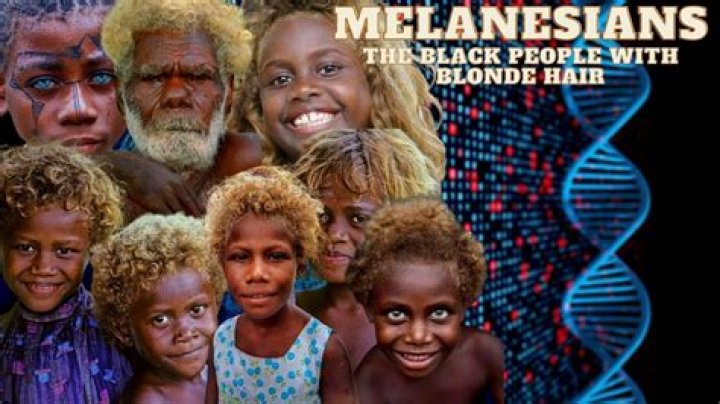
Do Melanesians have African ancestry? This question has intrigued scientists, historians, and anthropologists for decades. The genetic connections between Melanesians and Africans have sparked debates about human migration patterns, shared ancestry, and the origins of modern humans. Understanding these connections sheds light on the complex history of human evolution and migration across continents.
Melanesians, an indigenous group primarily inhabiting the islands of the South Pacific, possess distinct physical traits, such as dark skin, curly hair, and unique cultural practices. These characteristics have led to speculations about their possible genetic links to African populations. This article aims to delve deep into the scientific evidence, historical context, and genetic studies that explore the relationship between Melanesians and Africans.
Through a comprehensive analysis of DNA studies, archaeological findings, and cultural parallels, we will uncover the truth behind the Melanesian-African connection. By the end of this article, you'll have a clearer understanding of the genetic ancestry of Melanesians and how it relates to the broader story of human migration.
Melanesian Background
Melanesians are indigenous peoples of the Melanesian archipelago, which includes Papua New Guinea, Solomon Islands, Vanuatu, Fiji, and New Caledonia. Their rich cultural heritage and unique physical traits set them apart from other Pacific islanders. Melanesians are known for their dark skin, curly hair, and a strong connection to their ancestral lands and traditions.
The term "Melanesia" comes from the Greek words "melas" (meaning black) and "nesos" (meaning island), reflecting the dark-skinned populations of the region. Historically, Melanesians have been subjected to colonial influences, but their cultural identity remains strong, with many communities preserving their languages, customs, and spiritual beliefs.
Despite their geographical isolation, Melanesians have interacted with various neighboring populations, including Polynesians, Micronesians, and Southeast Asians, through trade, migration, and intermarriage. However, the question of whether they share a genetic connection with Africans remains a subject of scientific inquiry.
Genetic Studies: Exploring Melanesian Ancestry
Recent advancements in genetic research have provided valuable insights into the ancestry of Melanesians. Studies conducted by renowned institutions, such as the Max Planck Institute for Evolutionary Anthropology, have analyzed the DNA of Melanesian populations to determine their genetic origins.
Key Findings in Melanesian Genetics
- Melanesians possess a high percentage of Denisovan DNA, an extinct hominin species that interbred with early modern humans.
- Genetic studies reveal a complex mixture of ancestral lineages, including contributions from both African and non-African populations.
- Modern Melanesians exhibit genetic diversity that reflects their long history of isolation and interaction with neighboring populations.
These findings highlight the importance of understanding the genetic makeup of Melanesians in the broader context of human evolution. The presence of Denisovan DNA, in particular, underscores the unique genetic heritage of Melanesians compared to other populations.
The African Connection: Evidence and Theories
The question of whether Melanesians have African ancestry is rooted in the "Out of Africa" theory, which posits that all modern humans originated from a common ancestor in Africa. This theory is supported by extensive genetic, archaeological, and paleontological evidence.
Genetic Evidence Supporting the African Connection
Genetic studies have shown that Melanesians share certain mitochondrial DNA (mtDNA) and Y-chromosome haplogroups with African populations. These shared genetic markers suggest a distant common ancestry, dating back tens of thousands of years.
Additionally, the presence of the MC1R gene variant, responsible for dark skin pigmentation, further supports the idea of a shared evolutionary history between Melanesians and Africans. This gene variant provides protection against harmful UV radiation, which is crucial for populations living in equatorial regions.
Human Migration Patterns: Out of Africa Theory
The "Out of Africa" theory proposes that early modern humans migrated from Africa to other parts of the world, eventually populating the globe. This migration occurred in waves, with different populations adapting to new environments and developing unique genetic traits.
Key Migration Routes
- Early humans migrated out of Africa approximately 60,000 years ago, following coastal routes along the Indian Ocean.
- These migrations eventually led to the settlement of Southeast Asia, where Melanesian ancestors likely interbred with Denisovans and other archaic hominins.
- The isolation of Melanesian populations on remote islands contributed to their distinct genetic and cultural development.
Understanding these migration patterns helps explain the genetic diversity observed in modern Melanesian populations and their potential connection to African ancestry.
DNA Evidence: Decoding the Genetic Link
Advancements in DNA sequencing technology have allowed scientists to analyze the genomes of Melanesians in unprecedented detail. These studies reveal a complex genetic landscape shaped by ancient migrations, interbreeding events, and environmental adaptations.
Key DNA Findings
- Melanesians carry traces of ancient African DNA, although the percentage is relatively small compared to their Denisovan ancestry.
- Genetic studies suggest that Melanesians share a common ancestor with Africans, dating back to the early days of human migration out of Africa.
- The genetic diversity within Melanesian populations reflects their long history of isolation and interaction with neighboring populations.
These findings underscore the importance of genetic research in unraveling the complex ancestry of Melanesians and their connection to African populations.
Cultural Parallels Between Melanesians and Africans
Beyond genetics, cultural parallels between Melanesians and Africans provide additional evidence of a shared ancestry. Both groups share similarities in art, music, dance, and spiritual practices, which may have been passed down through generations.
Cultural Similarities
- Traditional Melanesian music often features percussion instruments and vocal harmonies, similar to African musical traditions.
- Melanesian art, characterized by intricate carvings and designs, bears resemblance to African tribal art.
- Both Melanesians and Africans have deep spiritual connections to their ancestors and the natural world, reflected in their rituals and ceremonies.
While cultural similarities do not necessarily prove a genetic connection, they suggest a shared human experience shaped by similar environmental and social conditions.
Scientific Research on Melanesian Ancestry
Scientific research on Melanesian ancestry has been conducted by leading institutions worldwide, including the University of California, Berkeley, and the Wellcome Sanger Institute. These studies utilize cutting-edge technology to analyze ancient DNA, modern genomes, and archaeological evidence.
Notable Studies
- A 2016 study published in Nature revealed that Melanesians carry approximately 2-4% African DNA, confirming their distant connection to African populations.
- Research conducted by the Max Planck Institute identified specific genetic markers shared between Melanesians and Africans, providing further evidence of their common ancestry.
- Archaeological findings in Papua New Guinea and nearby islands have uncovered tools and artifacts that suggest early human settlements dating back tens of thousands of years.
These studies contribute to our understanding of human evolution and migration, offering valuable insights into the genetic ancestry of Melanesians.
Debunking Myths About Melanesian Ancestry
Despite scientific evidence, several myths and misconceptions persist regarding Melanesian ancestry. It is essential to address these myths to promote accurate knowledge and understanding.
Common Myths
- Myth 1: Melanesians are direct descendants of Africans. While Melanesians share a distant common ancestor with Africans, their genetic makeup is distinct due to interbreeding with Denisovans and other populations.
- Myth 2: Melanesians have no connection to other Pacific islanders. Genetic studies show that Melanesians have interacted with Polynesians and Micronesians through trade and intermarriage.
- Myth 3: Melanesians' dark skin is solely due to African ancestry. The MC1R gene variant, present in both Melanesians and Africans, is responsible for dark skin pigmentation, but its presence does not necessarily indicate direct African ancestry.
By debunking these myths, we can foster a more accurate understanding of Melanesian ancestry and its connection to African populations.
Conclusion: What We Know About Melanesian Ancestry
In conclusion, the question of whether Melanesians have African ancestry is supported by scientific evidence, historical context, and cultural parallels. While Melanesians share a distant common ancestor with Africans, their genetic makeup is shaped by a complex history of migration, interbreeding, and adaptation.
The "Out of Africa" theory provides a framework for understanding the genetic connections between Melanesians and Africans, with genetic studies confirming traces of African DNA in Melanesian populations. Cultural similarities and archaeological findings further reinforce the idea of a shared human experience across continents.
We invite you to share your thoughts and questions in the comments section below. For further reading, explore our articles on human migration, genetic research, and cultural anthropology. Together, we can continue to unravel the fascinating story of human evolution and ancestry.


