
Does a Cold Sore Pop Like a Pimple? Everything You Need to Know
By Mia Phillips
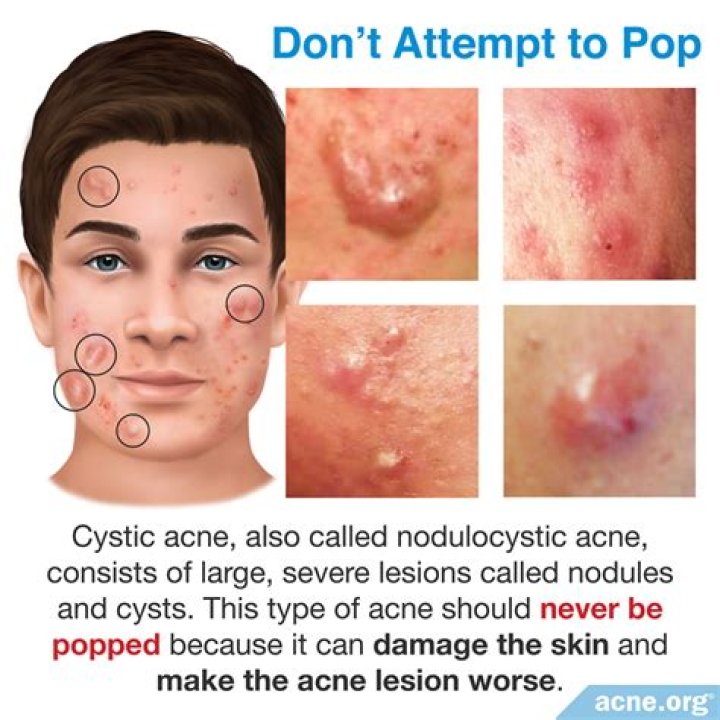
Many people wonder whether a cold sore behaves similarly to a pimple, especially when it comes to popping or squeezing. While cold sores and pimples might appear similar on the surface, their causes, symptoms, and treatments differ significantly. Understanding these differences is crucial to ensuring proper care and avoiding potential complications. If you've ever asked yourself, "Does a cold sore pop like a pimple?" this article will provide comprehensive answers and expert advice.
Cold sores, also known as fever blisters, are caused by the herpes simplex virus (HSV-1), while pimples result from clogged pores and bacterial infections. Despite their differences, both conditions can cause discomfort and affect one's self-confidence. Misinformation about cold sores can lead to improper treatment, so it's essential to learn how they differ from pimples and how to manage them effectively.
This article delves into the nature of cold sores, their similarities and differences with pimples, and provides practical tips for managing both conditions. By the end of this article, you'll have a clearer understanding of whether cold sores should be treated like pimples and how to address them safely.
Cold Sore Basics: Understanding the Condition
Cold sores are small, fluid-filled blisters that typically appear around the lips or mouth. They are caused by the herpes simplex virus (HSV-1), which remains dormant in the body and can reactivate under certain conditions. Unlike pimples, cold sores are contagious and can spread through direct contact, such as kissing or sharing utensils.
Common Symptoms of Cold Sores
Cold sores often begin with a tingling or burning sensation in the affected area, followed by the appearance of blisters. Over time, these blisters may rupture, ooze, and eventually crust over. The healing process usually takes 7-10 days, but the virus remains in the body, making recurrence possible.
- Tingling or itching sensation before the outbreak
- Small, painful blisters around the lips or mouth
- Swelling and redness in the affected area
- Occasional fever or swollen lymph nodes
Pimple Basics: What Causes Them?
Pimples, on the other hand, are caused by clogged pores due to excess oil production, dead skin cells, and bacteria. Unlike cold sores, pimples are not contagious and are generally less severe. However, they can still cause discomfort and affect one's appearance.
Factors Contributing to Pimple Formation
Several factors contribute to the development of pimples, including hormonal changes, poor skincare habits, and dietary choices. Understanding these factors can help you prevent and manage breakouts effectively.
- Hormonal fluctuations during puberty, menstruation, or pregnancy
- Use of oily skincare or makeup products
- Stress and lack of proper sleep
- Unhealthy diet high in sugar and processed foods
Cold Sore vs. Pimple: Key Differences
While cold sores and pimples may look similar, their underlying causes and treatment approaches differ significantly. Recognizing these differences is essential for proper care and management.
How to Tell the Difference
Here are some key differences between cold sores and pimples:
- Cause: Cold sores are caused by a virus, while pimples result from clogged pores and bacteria.
- Appearance: Cold sores are fluid-filled blisters, whereas pimples are solid, raised bumps.
- Contagiousness: Cold sores are highly contagious, but pimples are not.
- Treatment: Cold sores require antiviral medications, while pimples can be treated with over-the-counter creams or cleansers.
Does a Cold Sore Pop Like a Pimple?
One of the most common questions about cold sores is whether they can be popped like pimples. The short answer is no—cold sores should not be popped or squeezed. Doing so can increase the risk of infection, delay healing, and even lead to scarring.
Risks of Popping a Cold Sore
Popping a cold sore can release the fluid inside, which contains the herpes simplex virus. This fluid can spread the virus to other parts of your body or to others through direct contact. Additionally, picking at a cold sore can introduce bacteria, leading to secondary infections.
Instead of popping a cold sore, it's best to allow it to heal naturally. Applying antiviral medications or ointments can help reduce symptoms and speed up the healing process.
The Lifecycle of a Cold Sore
Cold sores typically follow a predictable lifecycle, which includes several stages from onset to healing. Understanding this process can help you manage the condition more effectively.
Stages of a Cold Sore
- Tingling Stage: The first sign of a cold sore is a tingling or burning sensation in the affected area.
- Blisters Stage: Small, fluid-filled blisters appear, often clustered together.
- Ulcer Stage: The blisters rupture, forming open sores that may ooze fluid.
- Crusting Stage: The sores begin to dry out and form a crust or scab.
- Healing Stage: The scab falls off, and new skin forms, completing the healing process.
Treatment Options for Cold Sores
While cold sores cannot be cured, there are several treatment options available to alleviate symptoms and shorten the duration of outbreaks. These treatments range from over-the-counter medications to prescription antiviral drugs.
Over-the-Counter Treatments
Many over-the-counter creams and ointments are designed to relieve cold sore symptoms and promote healing. Some popular options include:
- Abreva (docosanol)
- Zilactin
- Orajel
Prescription Medications
In more severe cases, a healthcare provider may prescribe antiviral medications such as:
- Acyclovir
- Valacyclovir
- Famciclovir
Prevention Tips for Cold Sores
While it's impossible to eliminate the herpes simplex virus once it's in your system, you can take steps to reduce the frequency and severity of outbreaks. Here are some prevention tips:
- Avoid direct contact with someone who has a cold sore.
- Practice good hygiene, such as washing your hands regularly.
- Protect your lips from sun exposure by using sunscreen or lip balm with SPF.
- Boost your immune system through a healthy diet and regular exercise.
Common Myths About Cold Sores
There are many misconceptions about cold sores that can lead to improper treatment or unnecessary anxiety. Here are some common myths and the truth behind them:
Myth: Cold Sores Only Occur in Unhealthy People
Fact: Cold sores can affect anyone, regardless of their overall health. The herpes simplex virus is highly contagious and can be transmitted even when no visible symptoms are present.
Myth: Popping a Cold Sore Helps It Heal Faster
Fact: As mentioned earlier, popping a cold sore can actually delay healing and increase the risk of complications.
Expert Advice on Managing Cold Sores
According to dermatologists and healthcare professionals, the best way to manage cold sores is through a combination of prevention, early treatment, and proper care. If you experience frequent outbreaks, consult a healthcare provider for personalized advice and treatment options.
Additionally, maintaining a healthy lifestyle can help strengthen your immune system and reduce the likelihood of cold sore flare-ups. This includes eating a balanced diet, getting enough sleep, and managing stress effectively.
Conclusion: Taking Control of Your Skin Health
In conclusion, cold sores and pimples may share some similarities in appearance, but their causes, symptoms, and treatments differ significantly. While it may be tempting to treat a cold sore like a pimple by popping or squeezing it, doing so can lead to complications and delay healing. Instead, focus on proper care and treatment to manage cold sores effectively.
We encourage you to share this article with others who may benefit from the information. If you have any questions or experiences to share, feel free to leave a comment below. Remember, taking control of your skin health starts with education and proper care. Stay informed, and don't hesitate to seek professional advice when needed.
Data Source: Mayo Clinic, Centers for Disease Control and Prevention


