
Doodle Pacman 30th Anniversary: Celebrating the Iconic Google Tribute
By Emma Valentine
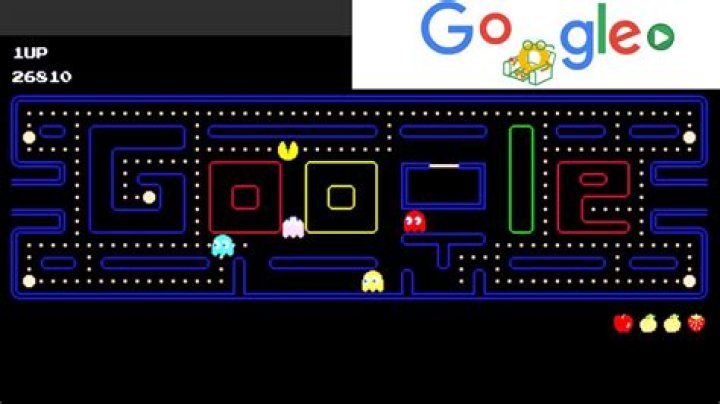
On May 21, 2010, Google unveiled one of its most iconic and interactive doodles to celebrate the 30th anniversary of Pacman. This groundbreaking doodle not only marked a significant milestone in gaming history but also set a new standard for interactive web experiences. The doodle quickly became a global phenomenon, captivating millions of users who were eager to relive the nostalgic charm of the classic arcade game.
The Pacman doodle represented more than just a simple tribute; it was a testament to Google's creativity and innovation in honoring cultural landmarks. By transforming its logo into an interactive game, Google demonstrated its ability to blend entertainment with technology seamlessly. This doodle became a benchmark for future interactive designs and set the tone for how companies could celebrate anniversaries in the digital age.
As we delve into the fascinating world of the Pacman doodle, we'll explore its origins, the technology behind its creation, and its lasting impact on both the gaming community and the broader internet culture. Whether you're a fan of classic arcade games or simply appreciate creative web design, this article will provide an in-depth look at why the Pacman doodle remains one of Google's most celebrated creations.
Introduction to the Pacman Doodle
Why Was the Doodle Created?
The doodle was created to honor the 30th anniversary of Pacman, one of the most beloved arcade games in history. Google's team of designers and engineers worked tirelessly to develop a doodle that would not only pay tribute to the game but also engage users in a fun and interactive way. The result was a fully playable version of Pacman embedded directly into the Google homepage.
What Made the Doodle Unique?
Unlike previous doodles, the Pacman doodle was the first to feature an interactive game. Users could play the game directly on the Google homepage, complete with original sound effects and gameplay mechanics. This level of interactivity set a new precedent for future doodles and demonstrated Google's commitment to pushing the boundaries of web design.
History of Pacman and Its Legacy
Pacman, originally released in 1980 by Namco, quickly became a cultural phenomenon. The game's simple yet addictive gameplay, combined with its iconic yellow character, made it a staple of arcade gaming. Over the years, Pacman has inspired countless sequels, spin-offs, and adaptations, cementing its place in gaming history. The game's enduring popularity can be attributed to its universal appeal and timeless design.
The Evolution of Google Doodles
From Static Images to Interactive Experiences
Google doodles have come a long way since their inception in 1998. Initially used to mark special occasions and holidays, doodles have evolved into sophisticated works of art and technology. The Pacman doodle marked a significant milestone in this evolution, showcasing the potential of doodles as interactive platforms for user engagement.
Technology Behind the Pacman Doodle
How Was the Doodle Developed?
The Pacman doodle was developed using HTML5, JavaScript, and CSS, allowing it to run smoothly across various devices and browsers. The team at Google collaborated with Namco to ensure that the game remained true to its original form while adapting it for modern web standards. This collaboration resulted in a seamless user experience that captured the essence of the original Pacman game.
Challenges Faced During Development
One of the main challenges faced during the development of the doodle was maintaining the authenticity of the original game while adapting it for web use. The team had to ensure that the gameplay mechanics, sound effects, and visual design remained faithful to the original while optimizing performance for a global audience.
Impact on Gaming Culture
The Pacman doodle had a significant impact on gaming culture, reigniting interest in classic arcade games and inspiring a new generation of gamers. It also highlighted the potential of interactive web experiences in engaging users and creating memorable moments online. The doodle's success paved the way for future interactive doodles and demonstrated the power of nostalgia in digital design.
Interactive Features of the Doodle
Key Features of the Doodle
- Fully playable version of Pacman
- Original sound effects and gameplay mechanics
- Two-player mode for added fun
- Leaderboard to track high scores
How Users Engaged with the Doodle
Users from around the world embraced the Pacman doodle, spending hours playing the game and competing for high scores. The two-player mode, in particular, proved to be a popular feature, encouraging users to play with friends and family. This level of engagement underscored the doodle's ability to create a shared experience that transcended geographical boundaries.
Statistics and User Engagement
According to Google, the Pacman doodle was played over 25 million times within the first 48 hours of its release. This staggering number highlights the doodle's widespread appeal and its ability to capture the attention of users across the globe. The doodle's success can be attributed to its combination of nostalgia, interactivity, and accessibility.
Public and Critical Reception
The Pacman doodle received overwhelmingly positive reviews from both the public and critics. Users praised the doodle for its faithful recreation of the original game and its ability to bring back fond memories of arcade gaming. Critics lauded Google's innovative approach to honoring cultural landmarks and its commitment to creating engaging web experiences.
Future of Interactive Doodles
The success of the Pacman doodle has paved the way for future interactive doodles that push the boundaries of web design and user engagement. Google continues to experiment with new technologies and creative concepts, ensuring that its doodles remain at the forefront of digital innovation. As the internet evolves, so too will the possibilities for interactive doodles, offering users ever more engaging and immersive experiences.
Conclusion and Final Thoughts
In conclusion, the Pacman doodle remains one of Google's most celebrated creations, showcasing the company's ability to blend nostalgia, innovation, and interactivity in a single design. Its impact on gaming culture and web design continues to be felt today, inspiring new generations of designers and developers. As we look to the future, we can only imagine the exciting possibilities that await in the world of interactive doodles.
We invite you to share your thoughts and experiences with the Pacman doodle in the comments below. Did you play the game when it was first released? What did you enjoy most about the interactive features? Be sure to explore our other articles on Google doodles and interactive web design for more insights and inspiration.


