
Eiffel Tower Paris France History: A Comprehensive Exploration
By Sophia Edwards
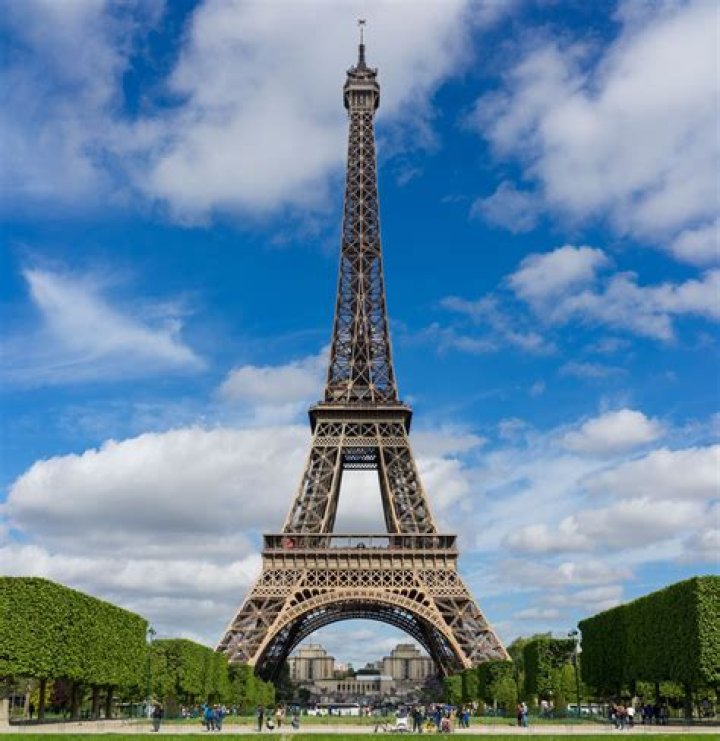
The Eiffel Tower, an architectural marvel located in Paris, France, is one of the most iconic landmarks in the world. Standing tall at 330 meters, it has become a symbol of love, innovation, and French culture. Its rich history dates back to the late 19th century, making it a must-visit destination for millions of tourists annually.
Constructed for the 1889 Exposition Universelle, the Eiffel Tower was initially met with skepticism and criticism from some of the leading artists and intellectuals of the time. However, over the years, it has transformed into a beloved global icon, attracting over 7 million visitors each year. This article delves into the fascinating history of the Eiffel Tower, exploring its origins, construction, controversies, and enduring legacy.
As we explore the Eiffel Tower's history, we will uncover the stories of its creators, the challenges faced during its construction, and its role in shaping modern architecture. Whether you're a history enthusiast, an architecture lover, or simply curious about this legendary structure, this article will provide you with an in-depth understanding of its significance.
The Origin of the Eiffel Tower
The idea for the Eiffel Tower was conceived in the late 1880s as part of France's plan to celebrate the centennial of the French Revolution. The French government organized the Exposition Universelle, a world fair held in Paris in 1889, and called for proposals for a centerpiece that would symbolize progress and innovation. Among the many submissions, the design by Gustave Eiffel's engineering company stood out for its boldness and technical brilliance.
Why Was It Named After Gustave Eiffel?
Although Gustave Eiffel's name is forever linked to the tower, the actual design was primarily created by Maurice Koechlin and Émile Nouguier, two senior engineers working for Eiffel's company. Eiffel, however, played a crucial role in promoting the project and securing its approval. His reputation as a renowned engineer and entrepreneur helped gain public support, leading to the tower's eventual construction.
Some historians argue that the tower's success owes as much to Eiffel's business acumen as it does to the engineering prowess of his team. By associating his name with the project, Eiffel ensured that it would become synonymous with his legacy.
Design and Construction Process
The Eiffel Tower's design was revolutionary for its time. It combined functionality with aesthetics, setting a new standard for modern architecture. The tower's construction began in 1887 and took two years, two months, and five days to complete, finishing just in time for the Exposition Universelle in 1889.
Key Features of the Design
- Constructed using wrought iron, the tower was designed to withstand strong winds while maintaining its lightweight structure.
- The design incorporated a lattice framework, which not only reduced wind resistance but also gave the tower its distinctive appearance.
- The tower was divided into three levels, each accessible by stairs or elevators, allowing visitors to enjoy panoramic views of Paris.
The construction process was a marvel of engineering, with each piece of the tower carefully crafted and assembled on-site. Over 18,000 iron parts were used, held together by more than 2.5 million rivets. The precision and attention to detail ensured the tower's stability and durability.
Controversy Surrounding the Tower
Despite its current status as a beloved landmark, the Eiffel Tower faced significant opposition during its planning and construction phases. Many prominent artists and intellectuals of the time, including Guy de Maupassant and Charles Garnier, criticized the tower's design, labeling it an eyesore and a threat to the aesthetic beauty of Paris.
In a famous letter published in the newspaper Le Temps, these critics expressed their disdain for the "useless and monstrous" structure, fearing it would overshadow the city's other architectural treasures. However, public opinion gradually shifted as the tower's elegance and engineering marvel became apparent.
How Did Public Opinion Change?
As the Eiffel Tower neared completion, its grandeur and innovation began to win over skeptics. The tower's role in the Exposition Universelle, where it served as the entrance arch, further solidified its place in history. Its ability to host scientific experiments, such as radio transmission tests, also highlighted its practical applications, earning it respect from the scientific community.
Completion and Inauguration
The Eiffel Tower was officially inaugurated on March 31, 1889, in a ceremony attended by French President Sadi Carnot and other dignitaries. Gustave Eiffel led the procession to the top of the tower, where he unfurled the French flag, marking the completion of this monumental achievement.
During the Exposition Universelle, the tower became the centerpiece of the event, drawing millions of visitors who marveled at its height and engineering brilliance. Its success as a tourist attraction was immediate, setting the stage for its enduring popularity.
Early Usage and Functions
In its early years, the Eiffel Tower served multiple purposes beyond being a tourist attraction. It was used for scientific experiments, military communications, and even as a radio transmission tower. These functions played a crucial role in justifying its existence and ensuring its survival beyond the initial 20-year lease granted by the French government.
Scientific Contributions
- Scientists conducted experiments on the tower to study meteorology, aerodynamics, and radio waves.
- Its height made it an ideal location for testing new technologies, contributing to advancements in communication and engineering.
As the tower's importance grew, so did its cultural significance. It became a symbol of French innovation and a source of national pride, transcending its initial role as a temporary structure.
Renovations and Modernization
Over the years, the Eiffel Tower has undergone several renovations to preserve its integrity and enhance its appeal. These efforts have included structural reinforcements, repainting, and the installation of modern lighting systems.
Repainting the Tower
Every seven years, the Eiffel Tower is repainted to protect it from rust and corrosion. This painstaking process involves applying over 60 tons of paint, ensuring the tower's iconic appearance is maintained. The color, known as "Eiffel Tower Brown," was specially formulated to complement the structure's design and surroundings.
Recent renovations have focused on improving accessibility and sustainability, incorporating eco-friendly technologies and enhancing visitor experiences. These upgrades reflect the tower's commitment to adapting to modern standards while preserving its historical charm.
Interesting Facts About the Eiffel Tower
Here are some fascinating facts about the Eiffel Tower that highlight its uniqueness:
- The tower weighs approximately 10,100 tons, with the majority of its weight coming from the iron framework.
- It sways slightly in the wind, moving up to 12 centimeters in strong gusts.
- During the summer, the iron expands due to heat, causing the tower to grow by as much as 15 centimeters.
- The Eiffel Tower was the tallest man-made structure in the world until the completion of the Chrysler Building in New York in 1930.
These facts underscore the tower's engineering marvel and its enduring appeal as a symbol of human ingenuity.
Visitor Statistics and Economic Impact
As one of the most visited paid monuments in the world, the Eiffel Tower generates significant revenue for the French economy. In 2019, it welcomed over 7 million visitors, contributing millions of euros to the tourism industry.
The tower's popularity has also spurred the growth of related businesses, such as hotels, restaurants, and souvenir shops, creating jobs and boosting local economies. Its presence in Paris ensures a steady stream of tourists year-round, making it a vital component of the city's cultural and economic landscape.
Cultural Significance
The Eiffel Tower has become a global symbol of love, romance, and cultural exchange. It features prominently in literature, films, and art, inspiring countless creators and capturing the imagination of people worldwide.
Symbolism in Popular Culture
From romantic proposals to iconic movie scenes, the Eiffel Tower has been immortalized in countless forms of media. Its image is synonymous with Paris and serves as a reminder of the city's rich cultural heritage and timeless beauty.
As a UNESCO World Heritage Site, the Eiffel Tower is recognized for its outstanding universal value, ensuring its preservation for future generations. Its role in promoting cultural understanding and fostering global connections cannot be overstated.
The Future of the Eiffel Tower
Looking ahead, the Eiffel Tower continues to evolve, embracing new technologies and sustainable practices to meet the demands of a changing world. Plans for future renovations include further improvements in accessibility, energy efficiency, and visitor experiences.
As it approaches its 150th anniversary, the Eiffel Tower remains a testament to human creativity and perseverance. Its legacy as a symbol of innovation and beauty will undoubtedly endure for generations to come.
Conclusion
In conclusion, the Eiffel Tower Paris France history is a fascinating journey of innovation, controversy, and triumph. From its humble beginnings as a temporary structure to its status as a global icon, the tower has captured the hearts and minds of people around the world. Its enduring appeal lies in its ability to inspire, educate, and connect individuals across cultures and generations.
We invite you to share your thoughts and experiences in the comments below. Have you visited the Eiffel Tower? What did you find most memorable? For more captivating stories and insights, explore our other articles on travel, history, and culture. Thank you for reading, and we hope you enjoyed this exploration of one of the world's most beloved landmarks.


