
Exploring the Behavioural Characteristics of Generation Z
By Michael Gray
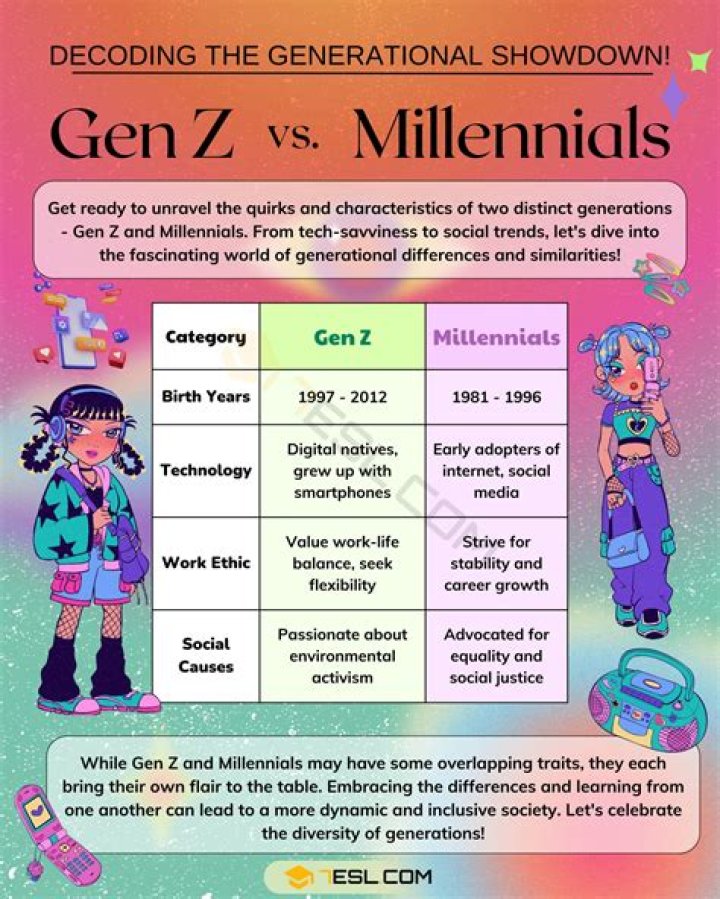
Generation Z, often referred to as the "digital natives," is a demographic cohort born between the mid-1990s and the early 2010s. This generation has grown up in an era dominated by technology, social media, and rapid change. Their behavioural characteristics are shaped by their unique experiences, values, and interactions with the world around them. Understanding these traits is essential for businesses, educators, and policymakers who aim to connect with this influential group.
As the first generation to grow up entirely in the digital age, Gen Z's habits and preferences differ significantly from those of previous generations. Their approach to communication, consumption of information, and decision-making processes are heavily influenced by technology and social platforms. This article delves into the various aspects of Gen Z's behaviour, providing insights into what makes them distinct.
By exploring the behavioural characteristics of Generation Z, we can gain a deeper understanding of their motivations, preferences, and expectations. This knowledge can help organizations tailor their strategies to better engage with this demographic, ensuring relevance and sustainability in a rapidly evolving world.
Introduction to Generation Z
Generation Z represents a demographic group born between 1996 and 2010. They are the first generation to grow up entirely in the digital age, with unprecedented access to technology and information. Their behavioural characteristics of Generation Z are defined by their adaptability to technological advancements and their unique perspective on life.
Defining Generation Z
Gen Z is often described as tech-savvy, innovative, and socially conscious. Their upbringing during a period of global challenges, such as climate change and economic uncertainty, has shaped their worldview. This generation prioritizes diversity, inclusion, and sustainability, making them a driving force for positive change.
Key characteristics of Generation Z include:
- High reliance on digital tools and platforms
- Preference for instant gratification and quick access to information
- Strong focus on personal and social values
Technology Dependency and Digital Natives
One of the most defining behavioural characteristics of Generation Z is their deep integration with technology. As digital natives, they have grown up surrounded by smartphones, tablets, and high-speed internet, which has fundamentally altered how they interact with the world.
Impact of Technology on Daily Life
Technology plays a central role in the lives of Gen Z individuals. From education to entertainment, they rely on digital platforms to fulfill their daily needs. This dependency has both positive and negative implications, influencing their social interactions, productivity, and mental health.
According to a study by Pew Research Center, 95% of teens in the United States have access to a smartphone, and 45% are online almost constantly. This statistic highlights the pervasive nature of technology in Gen Z's lives.
Social Media Influence on Gen Z
Social media platforms like Instagram, TikTok, and Snapchat are integral to the behavioural characteristics of Generation Z. These platforms serve as tools for self-expression, networking, and information sharing. However, they also pose challenges related to mental health and privacy.
Role of Social Media in Shaping Identity
For Gen Z, social media is not just a means of communication but also a space for identity formation. They use these platforms to showcase their interests, values, and aspirations. Influencers and content creators play a significant role in shaping their perceptions and preferences.
Statistics show that Gen Z spends an average of three hours per day on social media, with TikTok being one of their most popular platforms. This highlights the importance of understanding how social media influences their behaviour and decision-making.
Consumer Behaviour: Trends and Preferences
The consumer behaviour of Generation Z is driven by authenticity, transparency, and social responsibility. They are more likely to support brands that align with their values and demonstrate ethical practices. This shift in consumer behaviour reflects their commitment to making a positive impact on society.
Key Consumer Preferences of Gen Z
When it comes to purchasing decisions, Gen Z prioritizes:
- Sustainability and eco-friendly products
- Authentic branding and storytelling
- Personalized experiences and services
Research from Nielsen indicates that 73% of Gen Z consumers are willing to pay more for sustainable products, showcasing their dedication to environmental and social causes.
Workplace Characteristics of Gen Z
In the professional realm, Generation Z brings a fresh perspective to the workplace. Their behavioural characteristics emphasize the importance of work-life balance, flexibility, and continuous learning. Employers seeking to attract and retain Gen Z talent must adapt to these changing expectations.
Preferred Work Environment for Gen Z
Gen Z values a work environment that fosters collaboration, innovation, and diversity. They seek opportunities for growth and development, as well as flexibility in work arrangements. Remote work and hybrid models are particularly appealing to this generation.
According to a survey by Deloitte, 50% of Gen Z respondents prefer remote or hybrid work options, highlighting their desire for flexibility and autonomy in their professional lives.
Education and Learning Styles
Generation Z's approach to education and learning is characterized by adaptability and resourcefulness. They leverage technology to enhance their learning experiences, preferring interactive and engaging methods over traditional classroom settings.
Innovative Learning Strategies for Gen Z
Gen Z students thrive in environments that encourage creativity, collaboration, and hands-on learning. They are drawn to online courses, educational apps, and virtual classrooms that offer flexibility and accessibility. Educators must incorporate these tools to meet the learning preferences of this generation.
A report by UNESCO highlights that digital literacy and critical thinking are essential skills for Gen Z learners, emphasizing the need for a modernized education system.
Values and Beliefs: Social Justice and Sustainability
The behavioural characteristics of Generation Z are deeply rooted in their values and beliefs. They are passionate about social justice, equality, and environmental sustainability. These issues drive their activism and influence their choices in various aspects of life.
Gen Z's Commitment to Social Change
Gen Z is actively involved in advocating for social causes such as climate action, racial equality, and LGBTQ+ rights. Their use of social media as a platform for activism has amplified their voices and mobilized communities worldwide. This generation's dedication to creating a better future sets them apart from previous generations.
Data from the World Economic Forum reveals that 60% of Gen Z individuals believe that businesses should take a stand on social and political issues, reflecting their expectation for corporate responsibility.
Communication Style: Authenticity and Directness
Gen Z's communication style is marked by authenticity and directness. They value honesty and transparency in their interactions, both online and offline. This preference for genuine communication influences how they engage with others and build relationships.
Preferred Communication Channels for Gen Z
Gen Z favours communication channels that allow for real-time interaction and personalization. Messaging apps, video calls, and social media platforms are their go-to methods for staying connected. They appreciate concise and clear communication, avoiding unnecessary formalities.
A study by HubSpot shows that 70% of Gen Z consumers prefer direct communication with brands through messaging apps, indicating their preference for instant and personalized interactions.
Mental Health Awareness and Well-being
Mental health awareness is a significant aspect of the behavioural characteristics of Generation Z. They are more open about discussing mental health issues and seeking help when needed. This increased awareness reflects their commitment to self-care and well-being.
Challenges and Opportunities in Mental Health
While Gen Z is more vocal about mental health, they also face challenges such as stress, anxiety, and depression. The pressure to succeed, combined with the constant exposure to social media, contributes to these issues. However, their openness to seeking support and utilizing mental health resources presents an opportunity for positive change.
According to the American Psychological Association, 70% of Gen Z individuals report that mental health is a significant concern, underscoring the importance of addressing these issues effectively.
Conclusion and Call to Action
In conclusion, the behavioural characteristics of Generation Z are shaped by their digital upbringing, values, and aspirations. Understanding these traits is crucial for engaging with this influential demographic and meeting their needs effectively. From technology dependency to social justice advocacy, Gen Z's unique perspective offers valuable insights for businesses, educators, and policymakers.
We invite you to join the conversation by sharing your thoughts and experiences in the comments below. Additionally, explore other articles on our site to learn more about Generation Z and their impact on society. Together, we can create a future that resonates with this dynamic generation.

![Naughty America: Watch & Download XXX - [Top Porn]](https://silver.isevcloud.co.uk/uploads/stream-1000s-of-exclusive-adult-porn-videos-joining-naughty-america-gets-you-access-to-thousands-of-the-best-porn-scenes-online-with-a-library-that-spans-over-20-years-you-39-ll-get-to-enjoy-the-latest-hottest-pornstars-from-milfs-to-teens-amateurs-to-award-winning-pro-39-s-and-some-faces-you-may-not-recognize-but-will-find-their-way-into-your-fantasies-naughty-america-is-the-global-authority-on-sex-watch-our-famous-porn-movies-or-have-the-real-experience-with-our-vr-porn-we-have-the-best-porn-stars-and-highest-quality-porn-we-are-here-to-help-you-find-your-fantasy-get-access-to-naughty-america-and-login-to-watch-and-download-porn-as-a-member-for-free-you-can-stream-our-4k-hd-and-vr-porn-on-desktops-laptops-mobile-phones-tablets-and-all-popular-virtual-reality-porn-headsets-like-vive-and-oculus-rift-watch-high-quality-hd-naughty-america-tube-videos-sex-trailers-no-password-is-required-to-watch-movies-on-pornhub-com-the-most-hardcore-xxx-movies-await-you-here-on-the-world-39-s-biggest-porn-tube-so-browse-the-amazing-selection-of-hot-naughty-america-sex-videos-now-watch-the-most-erotic-sex-scenes-in-amazing-vr-4k-and-hd-quality-enjoy-all-of-her-naughty-america-scenes-for-1-95-watch-new-u26a1-naughty-america-hd-porn-movies-and-pictures-all-videos-are-true-1080p-and-720p-enjoy-ufe0f-our-collection-of-naughty-america-xxx-films-ud83c-udf9e-ufe0f-xnxx-com-39-naughty-america-39-search-free-sex-videos-naughty-america-offers-the-best-and-exclusive-new-porn-on-the-internet-we-update-hd-4k-and-vr-porn-daily-so-experience-the-ultimate-xxx-videos-every-day-i-represent-warrant-and-agree-to-the-following-i-am-at-least-eighteen-18-years-of-age-and-have-the-legal-right-to-access-and-possess-adult-material-in-the-community-from-which-i-am-accessing-these-materials-and-in-which-i-reside-browse-all-naughty-america-categories-to-find-the-fantasy-that-is-right-for-you-we-39-re-obsessive-with-labeling-our-content-from-body-types-to-fantasies-lingerie-to-fetishes-whatever-you-want-it-39-ll-be-at-your-fingertips-log-into-the-member-39-s-area-of-the-best-porn-site-on-the-internet-naughty-america-is-one-the-the-most-award-winning-adult-entertainment-platforms-on-the-internet-for-over-20-years-naughty-america-has-defined-itself-by-constantly-booking-top-talent-staying-on-top-of-trending-and-classic-themes-alike-as-well-as-pushing-the-envelope-of-technology-and-entertainment-naughty-america-is-the-global-authority-on-sex-watch-our-famous-porn-movies-or-have-the-real-experience-with-our-vr-porn-we-have-the-best-porn-stars-and-highest-quality-porn-download-or-watch-top-rated-porn-videos-at-naughty-america-with-multiple-updates-daily-experience-your-favorite-xxx-pornstars-in-stunning-4k-vr-hd-quality-naughty-america-gives-you-access-to-massive-porn-collection-in-crystal-clear-highest-quality-photo-and-video-technologies-available-to-stream-and-download-from-any-desktop-laptop-mobile-or-smart-device-all-vr-porn-porn-movies-porn-deals-inside-naughty-america-ar-porn-my-naughty-america-playstation-vr-lenses-strip-club-naughty-america-is-one-the-the-most-award-winning-adult-entertainment-platforms-on-the-internet-for-over-20-years-naughty-america-has-defined-itself-by-constantly-booking-top-talent-staying-on-top-of-trending-and-classic-themes-alike-as-well-as-pushing-the-envelope-of-technology-and-entertainment-discover-naughty-america-full-hd-1080p-sex-videos-featuring-porn-stars-fucking-in-xxx-scenes-naughty-america-is-one-the-the-most-award-winning-adult-entertainment-platforms-on-the-internet-for-over-20-years-naughty-america-has-defined-itself-by-constantly-booking-top-talent-staying-on-top-of-trending-and-classic-themes-alike-as-well-as-pushing-the-envelope-of-technology-and-entertainment-best-pornstars-playing-and-having-fun-in-naughty-america-free-videos-enjoy-the-best-hd-porn-collection-on-our-free-xxx-tube-naughty-america-is-one-the-the-most-award-winning-adult-entertainment-platforms-on-the-internet-for-over-20-years-naughty-america-has-defined-itself-by-constantly-booking-top-talent-staying-on-top-of-trending-and-classic-themes-alike-as-well-as-pushing-the-envelope-of-technology-and-entertainment_720.jpg)

