
Exploring the Fascinating World of Mythological Dragon Names
By Michael Gray
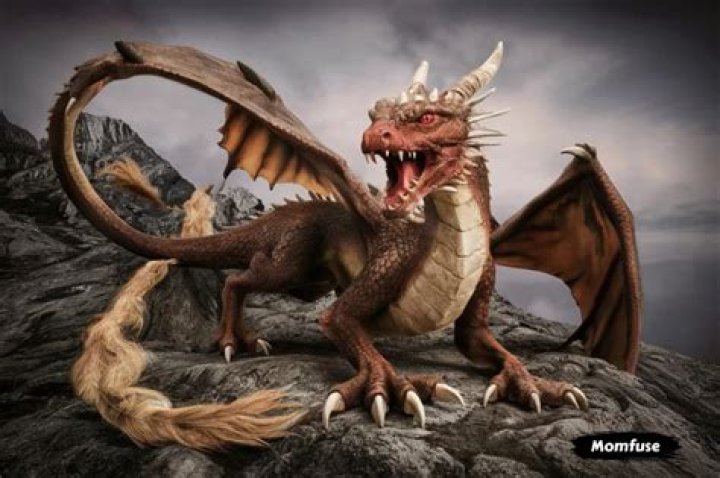
Dragons have captured the human imagination for centuries, appearing in mythologies across the globe. From fierce fire-breathing beasts to wise protectors of ancient treasures, these mythical creatures have been given names that reflect their power and mystery. If you're fascinated by dragons, you're in for a treat as we delve into the world of mythological dragon names. In this article, we will explore the origins and meanings behind some of the most iconic dragon names from different cultures.
Mythological dragon names often carry deep cultural significance, representing the values, fears, and aspirations of the societies that created them. Whether it's the majestic dragons of Chinese mythology or the terrifying beasts of European folklore, each name tells a story that is as rich as the mythology it comes from.
This article aims to provide an in-depth exploration of dragon names from around the world. By the end of this piece, you'll have a better understanding of the cultural and historical context behind these names and how they continue to influence modern storytelling.
Introduction to Mythological Dragons
What Are Mythological Dragons?
Dragons are legendary creatures that appear in the myths and legends of cultures worldwide. These creatures are often depicted as large, serpentine beings with wings, claws, and the ability to breathe fire. The concept of dragons varies greatly depending on the region, but they are almost always associated with power, wisdom, and mystery.
In many cultures, dragons symbolize both fear and respect. They are often portrayed as guardians of treasure, knowledge, or sacred places, making them central figures in numerous myths and stories.
Why Are Dragon Names Important?
Dragon names are more than just labels; they carry cultural significance and reflect the characteristics attributed to these mythical creatures. For example, a dragon named "Fafnir" in Norse mythology is known for its greed, while "Lung" in Chinese mythology is revered as a symbol of good fortune and power. Understanding the names of dragons provides insight into the values and beliefs of the cultures that created them.
Famous Dragon Names in European Mythology
European Dragons: A Legacy of Fear and Wonder
European mythology is rich with dragon legends, and many of these creatures have names that evoke their fearsome nature. Below are some of the most famous dragon names from this region:
- Smaug: From J.R.R. Tolkien's "The Hobbit," Smaug is one of the most iconic dragons in literature, known for his cunning and greed.
- Fafnir: In Norse mythology, Fafnir is a dragon cursed by greed, guarding a hoard of treasure.
- Zmey Gorynych: This three-headed dragon from Slavic mythology is a fearsome creature that appears in many folktales.
These names not only describe the dragons' characteristics but also reflect the cultural values of their respective societies.
Asian Dragon Names and Their Significance
Chinese Dragons: Symbols of Power and Good Fortune
Asian dragons, particularly those from Chinese mythology, are often depicted as benevolent creatures associated with water, prosperity, and good fortune. Below are some notable dragon names from this region:
- Yinglong: Known as the "responding dragon," Yinglong is one of the earliest dragons in Chinese mythology.
- Pulga: A dragon from Korean mythology, Pulga is often depicted as a water deity.
- Lung: The most common name for Chinese dragons, Lung represents power and wisdom.
These names highlight the positive attributes of dragons in Asian cultures, contrasting with the more fearsome depictions found in European mythology.
Japanese Dragon Names
In Japanese mythology, dragons are often associated with water and are considered protectors of sacred places. Some famous Japanese dragon names include:
- Ryujin: The dragon god of the sea, Ryujin is a central figure in Japanese folklore.
- Orochi: A massive eight-headed dragon from Japanese mythology, Orochi is often portrayed as a villain.
These names reflect the dual nature of dragons in Japanese culture, where they can be both benevolent and malevolent.
Dragon Names from Norse Mythology
Norse Dragons: Guardians of Treasure and Wisdom
Norse mythology features several dragons, each with unique characteristics and names that reflect their roles in the stories. Below are some notable examples:
- Jormungandr: Also known as the Midgard Serpent, Jormungandr is a massive dragon that encircles the earth.
- Nidhogg: This dragon chews on the roots of Yggdrasil, the World Tree, in Norse mythology.
These names emphasize the dragons' connection to the natural world and their role as guardians of ancient knowledge.
Middle Eastern Dragon Names
Dragons in Middle Eastern Mythology
The Middle East has its own rich tradition of dragon mythology, with names that reflect the region's unique cultural heritage. Some notable examples include:
- Bahamut: A massive fish-dragon hybrid from Islamic mythology, Bahamut supports the earth on its back.
- Lotan: A seven-headed dragon from Ugaritic mythology, Lotan is often associated with chaos.
These names highlight the dragons' role as powerful and mysterious creatures in Middle Eastern folklore.
Dragon Names in African Mythology
African Dragons: Guardians of the Earth
African mythology features a variety of dragon-like creatures, each with its own unique name and characteristics. Some examples include:
- Mukura: A dragon-like creature from Bantu mythology, Mukura is often associated with water and fertility.
- Apep: A serpent-dragon from Egyptian mythology, Apep is the enemy of the sun god Ra.
These names reflect the dragons' connection to the natural world and their role as protectors of the earth.
Native American Dragon Names
Dragons in Native American Mythology
Native American cultures have their own unique interpretations of dragons, often depicting them as powerful spirits or guardians. Some notable names include:
- Unktehi: A water-dragon from Lakota mythology, Unktehi is associated with lakes and rivers.
- Kini'na: A dragon-like creature from Navajo mythology, Kini'na is often depicted as a protector of sacred places.
These names emphasize the dragons' role as guardians of the natural world and their connection to spiritual beliefs.
How Dragon Names Are Used in Modern Culture
Dragon Names in Literature and Film
Dragon names continue to inspire modern storytellers, appearing in books, movies, and video games. Some famous examples include:
- Viserion: A dragon from the "Game of Thrones" series, Viserion is known for its icy breath.
- Toothless: The lovable dragon from the "How to Train Your Dragon" series, Toothless is a symbol of friendship and loyalty.
These names reflect the evolving portrayal of dragons in modern culture, where they are often depicted as complex characters with unique personalities.
Creating Your Own Mythological Dragon Names
Tips for Naming Your Dragon
If you're writing a story or creating a game, coming up with unique dragon names can add depth and authenticity to your world-building. Here are some tips to get you started:
- Consider the cultural context of your story and choose names that reflect the values and beliefs of the society you're creating.
- Use descriptive words that evoke the dragon's characteristics, such as "fierce," "wise," or "majestic."
- Experiment with different languages and mythologies to create names that sound authentic and intriguing.
By following these tips, you can create dragon names that are as captivating and memorable as the creatures themselves.
Conclusion and Final Thoughts
In this article, we've explored the fascinating world of mythological dragon names, from the fearsome beasts of European mythology to the benevolent creatures of Asian folklore. Each name carries cultural significance and reflects the values and beliefs of the societies that created them.
Dragon names continue to inspire modern storytellers, appearing in books, movies, and video games. Whether you're a fan of mythology or a writer looking to create your own dragon names, understanding the origins and meanings behind these names can enrich your appreciation of these mythical creatures.
We invite you to share your thoughts and favorite dragon names in the comments below. Don't forget to explore our other articles on mythology and folklore for more fascinating insights into the world of dragons and other mythical creatures.


