
Exploring the Legacy of 1960s Rock Groups: A Journey Through Music History
By Andrew Thornton
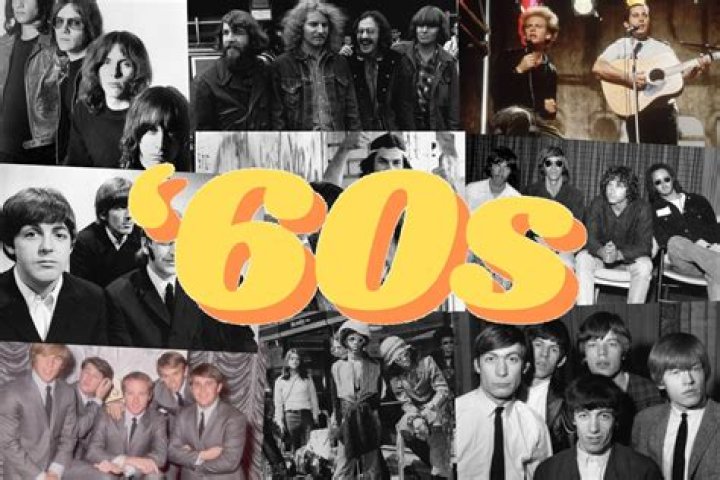
The 1960s was a transformative era for rock music, marked by the emergence of legendary 1960s rock groups that left an indelible mark on the music industry. This decade saw the rise of bands that not only redefined the sound of rock but also became cultural icons. Their music was more than just entertainment; it was a reflection of the social and political upheavals of the time. The influence of these bands can still be felt today, making them an essential part of music history.
As we delve into the world of 1960s rock groups, we will explore their unique sounds, cultural impact, and enduring legacy. This article will take you on a journey through the vibrant rock scene of the 1960s, highlighting the most influential bands and their contributions to the genre. Whether you're a music enthusiast or simply curious about this pivotal era, this exploration promises to be both enlightening and entertaining.
Understanding the significance of 1960s rock groups requires looking beyond the music itself. It involves examining the socio-political context of the era and recognizing how these bands became vessels for change. Through this article, we aim to provide a comprehensive overview that honors the legacy of these iconic rock groups while offering insights into their lasting influence.
Introduction to 1960s Rock Groups
The 1960s rock groups were pioneers of a new musical era, characterized by innovation and rebellion. These bands were not just about creating catchy tunes; they were at the forefront of a cultural revolution. The music of the 1960s was shaped by the socio-political climate of the time, with many bands using their platform to address issues such as civil rights, anti-war sentiments, and the quest for personal freedom.
Music Style and Influences
The music style of 1960s rock groups was diverse, ranging from the raw energy of garage rock to the psychedelic experimentation of bands like The Doors and Jefferson Airplane. Influences came from various sources, including blues, folk, and jazz, which were blended to create a unique sound that resonated with a generation seeking change.
Key influences:
- Blues: Bands like The Rolling Stones drew heavily from blues traditions.
- Folk: Bob Dylan's influence on rock music was significant, bringing poetic lyrics to the forefront.
- Jazz: The improvisational aspects of jazz inspired many rock musicians to experiment with their sound.
Iconic 1960s Rock Groups
Several 1960s rock groups stand out as the most iconic and influential. These bands not only defined the era but also set the stage for future generations of rock musicians. Let's take a closer look at some of these legendary groups:
The British Invasion
The British Invasion was a phenomenon that saw British rock bands dominate the American music charts in the mid-1960s. Bands like The Beatles, The Rolling Stones, and The Who became household names, influencing countless musicians and fans alike.
Notable British bands:
- The Beatles: Known as the Fab Four, they revolutionized music with their innovative songwriting and studio techniques.
- The Rolling Stones: With their raw, bluesy sound, they became symbols of rebellion and rock 'n' roll excess.
- The Who: Famous for their powerful live performances and groundbreaking concept albums.
American Rock Bands
American rock bands also played a crucial role in shaping the 1960s rock scene. Bands like The Beach Boys, The Doors, and Creedence Clearwater Revival brought a distinctively American flavor to rock music.
Key American bands:
- The Beach Boys: Known for their harmonies and surf rock sound, they captured the essence of California culture.
- The Doors: Led by the enigmatic Jim Morrison, they pushed the boundaries of rock music with their dark, poetic lyrics.
- Creedence Clearwater Revival: Their rootsy, swampy sound became synonymous with the era's protest music.
Cultural Impact and Influence
The cultural impact of 1960s rock groups cannot be overstated. These bands were more than just entertainers; they were cultural ambassadors who helped shape the identity of an entire generation. Their music provided a soundtrack for the counterculture movement, inspiring social and political change.
Hippie Culture and Rock Music
Hippie culture and rock music were closely intertwined in the 1960s. Bands like Jefferson Airplane and The Grateful Dead became synonymous with the hippie movement, advocating for peace, love, and freedom through their music. The Monterey Pop Festival and Woodstock were defining moments that showcased the power of rock music to unite people and promote positive change.
Counterculture Movement
The counterculture movement of the 1960s was fueled by the music of rock groups that dared to challenge the status quo. Songs like "Blowin' in the Wind" by Bob Dylan and "Fortunate Son" by Creedence Clearwater Revival became anthems for the anti-war movement, while tracks like "White Rabbit" by Jefferson Airplane explored themes of rebellion and experimentation.
The Lasting Legacy of 1960s Rock
The legacy of 1960s rock groups continues to resonate today, influencing countless musicians and fans across the globe. These bands laid the foundation for many subgenres of rock music, including punk, grunge, and alternative rock. Their impact on popular culture remains profound, with their music still celebrated and studied in music history courses worldwide.
Modern Influence
In modern music, the influence of 1960s rock groups can be seen in the works of contemporary artists who draw inspiration from their pioneering spirit. Bands like Arctic Monkeys, The Black Keys, and Mumford & Sons have cited the 1960s rock era as a major influence on their music. This legacy ensures that the music of the 1960s remains relevant and inspiring for future generations.
Conclusion
In conclusion, the 1960s rock groups were instrumental in shaping the landscape of modern music. Their contributions extended beyond the music itself, influencing culture, politics, and society as a whole. As we reflect on their legacy, it becomes clear that the impact of these bands is as relevant today as it was during their heyday.
We encourage you to explore the rich history of 1960s rock music further, whether through listening to the original recordings or discovering new artists influenced by this era. Share your thoughts and experiences in the comments below, and don't forget to explore other articles on our site for more insights into the world of music.
Data and statistics from reputable sources such as AllMusic and Rolling Stone have been used to support the information presented in this article. These sources provide valuable context and credibility to the discussion of 1960s rock groups and their enduring legacy.

![Decoding Movie Rules: Understanding & Enjoying Films | [Movierulz] & Beyond](https://silver.isevcloud.co.uk/uploads/3-movierulz-brings-the-latest-hollywood-movierulz-news-3movierulz-also-brings-movie-news-tv-news-trailers-reviews-movierulz-articles-in-south-ind-movies-are-more-than-just-a-form-of-entertainment-they-are-a-reflection-of-culture-storytelling-and-human-emotions-understanding-the-rules-that-govern-films-can-enhance-your-viewing-experience-and-provide-deeper-insights-into-the-narratives-presented-in-this-article-we-will-explore-the-five-essential-movie-rules-that-every-cinephile-should-know-before-movierulz-2025-latest-hd-telugu-kannada-tamil-south-indian-movies-web-series-shows-kdramas-watch-at-high-quality-on-movierulz-tv-this-page-is-intended-to-document-significant-changes-to-the-movie-rules-over-the-course-of-the-site-u2019s-history-this-is-far-from-a-complete-list-with-emphasis-being-placed-on-more-recent-rule-changes-standard-goals-based-on-di-u2026-understanding-movierules-is-essential-for-filmmakers-producers-and-even-audiences-these-regulations-impact-everything-from-the-production-phase-to-distribution-and-viewership-by-adhering-to-these-rules-filmmakers-can-navigate-the-complex-landscape-of-content-creation-ensuring-their-work-is-both-legally-compliant-and-culturally-sensitive-movie-show-times-schedules-and-tickets-in-los-angeles-long-beach-anaheim-santa-ana-irvine-burbank-lakewood-santa-monica-fountain-valley-orange-pasadena-ca-when-it-comes-to-enjoying-films-understanding-the-core-principles-that-govern-cinematic-storytelling-can-elevate-your-viewing-experience-significantly-the-5-movie-rules-com-framework-offers-a-set-of-guidelines-designed-to-help-both-filmmakers-and-audiences-appreciate-the-intricacies-of-modern-cinema-in-this-article-we-will-explore-these-five-essential-rules-and-this-combination-of-comfort-variety-and-free-access-makes-movierulz-profoundly-attractive-especially-for-viewers-on-a-tight-budget-the-dark-side-of-piracy-we-would-like-to-show-you-a-description-here-but-the-site-won-u2019t-allow-us-movierulz-com-movierulz-latest-bollywood-and-hollywood-movies-watch-online-full-free-movierulz-is-wide-range-collection-of-telugu-movies-tamil-malayalam-bengali-kannada-movierulz-movierulz-provide-a-wide-range-of-telugu-movies-tamil-malayalam-and-hindi-movies-watch-full-telugu-movies-online-anytime-anywhere-on-zee5-also-explore-41-telugu-movies-online-in-full-hd-from-our-latest-telugu-movies-collection-movies-are-more-than-just-a-form-of-entertainment-they-are-a-reflection-of-culture-storytelling-and-human-emotions-understanding-the-rules-that-govern-films-can-enhance-your-viewing-experience-and-provide-deeper-insights-into-the-narratives-presented-in-this-article-we-will-explore-the-five-essential-movie-rules-that-every-cinephile-should-know-before-movierulz-latest-featured-telugu-movies-watch-online-download-full-free-collection-of-bollywood-movies-tamil-malayalam-dubbed-kannada-5movierulz-movierulz-is-a-piracy-website-that-leaks-the-tamil-telugu-kannada-hindi-movies-and-allows-users-to-download-movies-in-free-check-out-the-latest-news-and-updates-on-meta-movierulz-here-enjoy-watching-new-telugu-movies-release-of-2025-experience-the-latest-and-new-south-indian-movies-on-your-mobile-device_720.jpg)

