
Exploring the Richness of Traditional Nigerian Culture
By John Peck
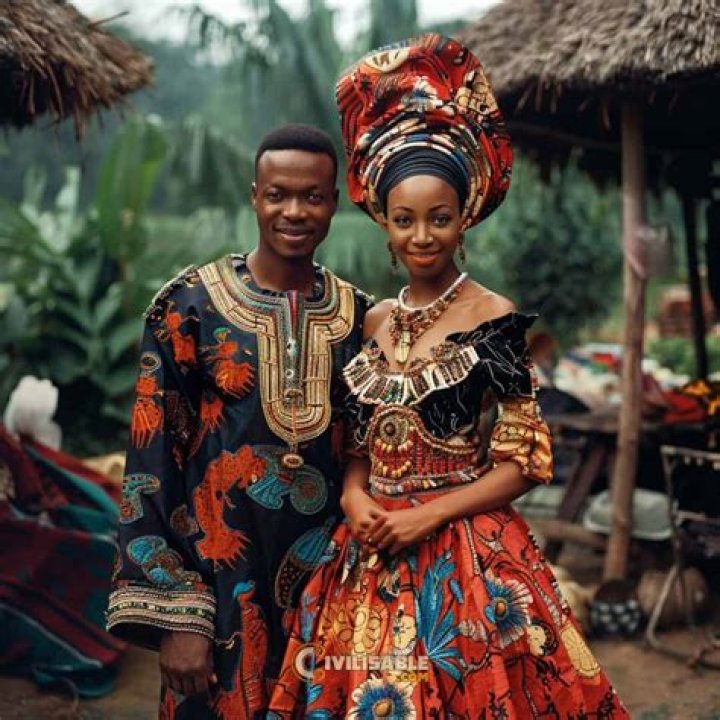
Traditional Nigerian culture is a vibrant tapestry of history, diversity, and customs that reflect the essence of Africa's most populous nation. With over 250 ethnic groups, Nigeria offers a fascinating glimpse into the richness of African heritage. This article dives deep into the cultural nuances that define Nigeria, from its traditional clothing to its unique festivals and values.
Nigeria's cultural diversity is one of its most defining features. The traditions, languages, and customs of its people vary widely across regions, creating a dynamic and colorful cultural landscape. This diversity is what makes traditional Nigerian culture so captivating and worth exploring.
As we journey through this article, you will discover the key aspects of Nigerian traditions, including food, music, dance, and more. Whether you're a traveler, researcher, or simply curious about the world, this guide will provide you with valuable insights into the heart of Nigeria's cultural identity.
Biography of Nigerian Cultural Heritage
Historical Background
Nigeria's cultural heritage dates back thousands of years, with evidence of early human settlements in the region. The Nok civilization, which existed from around 1000 BCE to 300 CE, is one of the earliest known cultures in Nigeria. Known for its terracotta sculptures, the Nok civilization laid the foundation for the artistic traditions that would flourish in later centuries.
Over time, various kingdoms and empires emerged, including the Benin Empire, the Oyo Empire, and the Kanem-Bornu Empire. Each of these entities contributed to the development of unique cultural practices and traditions that continue to influence modern Nigerian culture.
Cultural Diversity
Nigeria is home to over 250 ethnic groups, with the Hausa, Igbo, and Yoruba being the largest. This diversity is reflected in the country's languages, customs, and traditions. Each ethnic group has its own distinct cultural identity, contributing to the rich mosaic that is traditional Nigerian culture.
Language Diversity in Traditional Nigerian Culture
Language plays a crucial role in preserving and transmitting cultural heritage. Nigeria boasts over 500 languages, making it one of the most linguistically diverse countries in the world. Some of the major languages include Hausa, Yoruba, Igbo, Edo, and Fulfulde.
While English serves as the official language, local languages remain an integral part of daily life and cultural expression. Many Nigerians are bilingual or multilingual, speaking both their native tongue and English. This linguistic diversity fosters a unique cultural dynamic that enriches traditional Nigerian culture.
Traditional Clothing and Attire
Traditional Nigerian clothing is renowned for its vibrant colors, intricate patterns, and rich textures. Different regions and ethnic groups have their own distinctive styles of dress, each with symbolic meanings and cultural significance.
Popular Traditional Attire
- Buba and wrapper: A popular outfit among women, consisting of a loose-fitting blouse (buba) and a long skirt (wrapper).
- Aso oke: Handwoven fabric used to create elaborate gowns and robes, often worn during special occasions.
- Dashiki: A colorful garment worn by men, featuring elaborate embroidery and patterns.
These traditional garments not only reflect personal style but also serve as symbols of identity and cultural pride.
Nigerian Cuisine: A Feast of Flavors
Nigerian cuisine is a delightful fusion of flavors, spices, and ingredients that showcase the country's agricultural abundance. Staples such as yams, cassava, maize, and plantains form the basis of many traditional dishes, while spices like chili, ginger, and curry add depth and complexity to the flavors.
Must-Try Nigerian Dishes
- Jollof rice: A flavorful rice dish cooked with tomatoes, onions, and spices, often served at parties and gatherings.
- Egusi soup: A hearty soup made from melon seeds, leafy greens, and meat or fish.
- Akara: Deep-fried bean cakes often enjoyed as a breakfast item or snack.
Nigerian cuisine is not only delicious but also nutritious, incorporating a variety of vegetables, proteins, and grains that promote a balanced diet.
Music and Dance in Nigerian Traditions
Music and dance are integral components of traditional Nigerian culture, serving as vehicles for storytelling, celebration, and spiritual expression. From the rhythmic beats of the talking drum to the graceful movements of traditional dancers, Nigerian music and dance are vibrant and captivating.
Traditional Musical Instruments
- Talking drum: A percussion instrument that mimics the tonal patterns of human speech.
- Flutes and trumpets: Used in ceremonial music and to accompany dances.
- Gong: A percussion instrument often played during festivals and rituals.
These instruments, combined with vocal harmonies and intricate rhythms, create a rich auditory experience that reflects the depth of Nigerian cultural traditions.
Festivals Celebrating Traditional Nigerian Culture
Festivals are a key aspect of traditional Nigerian culture, providing opportunities for communities to come together and celebrate their heritage. These events often feature music, dance, traditional attire, and feasting, creating a lively and festive atmosphere.
Popular Nigerian Festivals
- Eyo Festival: A traditional masquerade festival held in Lagos, symbolizing the transition from one era to another.
- New Yam Festival: Celebrated by the Igbo people to mark the harvest season and the beginning of the new agricultural cycle.
- Sallah Festival: A Muslim festival that involves prayer, feasting, and wearing traditional attire.
These festivals not only preserve cultural traditions but also foster a sense of community and belonging among participants.
Family Values in Nigerian Society
Family is at the core of traditional Nigerian culture, with strong emphasis placed on respect, loyalty, and responsibility. Extended families often live together, creating a supportive network that nurtures both young and old.
Key family values in Nigerian society include:
- Respect for elders: Elders are revered for their wisdom and experience, playing a crucial role in family decision-making.
- Collectivism: The well-being of the family unit is prioritized over individual needs and desires.
- Education: Emphasis is placed on providing quality education for children, as it is seen as a pathway to success and prosperity.
These values contribute to the strong social fabric that defines traditional Nigerian culture.
Religion and Beliefs in Nigerian Traditions
Religion plays a significant role in shaping traditional Nigerian culture, with Christianity, Islam, and indigenous beliefs coexisting harmoniously in many communities. Each religion brings its own set of traditions, rituals, and practices that enrich the cultural landscape.
Indigenous Beliefs
Traditional religions in Nigeria often involve ancestor worship, spirit veneration, and the use of divination to communicate with the spiritual realm. These practices are deeply rooted in the cultural identity of many ethnic groups and continue to influence modern Nigerian society.
By embracing diversity in religious practices, Nigerians have created a culture of tolerance and mutual respect, fostering unity in diversity.
Art and Crafts: Expressions of Nigerian Creativity
Nigerian art and crafts are renowned for their beauty, craftsmanship, and cultural significance. From intricate beadwork to carved wooden sculptures, Nigerian artisans create works of art that reflect the country's rich cultural heritage.
Popular Art Forms
- Textiles: Handwoven fabrics such as aso oke and adire are celebrated for their vibrant colors and intricate patterns.
- Pottery: Traditional pottery is crafted using techniques passed down through generations, often used in ceremonial and everyday settings.
- Sculpture: Wood and stone carvings depict mythical figures, ancestral spirits, and everyday life, showcasing the artistic talent of Nigerian craftsmen.
These art forms not only serve as decorative items but also as expressions of cultural identity and creativity.
Modern Influence on Traditional Nigerian Culture
As Nigeria continues to modernize, traditional cultural practices are evolving to adapt to contemporary lifestyles. Urbanization, globalization, and technological advancements have introduced new influences that impact how Nigerians express their cultural identity.
Despite these changes, many Nigerians remain committed to preserving their cultural heritage. Efforts to document and promote traditional practices, coupled with a growing interest in cultural tourism, ensure that the richness of traditional Nigerian culture endures for future generations.
Kesimpulan
Traditional Nigerian culture is a vibrant and dynamic tapestry of history, diversity, and customs that reflect the essence of Africa's most populous nation. From its language diversity and traditional clothing to its cuisine, music, and festivals, Nigeria offers a fascinating glimpse into the richness of African heritage.
To deepen your understanding of traditional Nigerian culture, we encourage you to explore the topics discussed in this article further. Share your thoughts and experiences in the comments below, and don't hesitate to explore other articles on our site to discover more about the world's diverse cultures. Together, let's celebrate and preserve the cultural treasures that make our world a more colorful place.


