Exploring the Richness of Traditional Venezuelan Cuisine
By Sophia Edwards
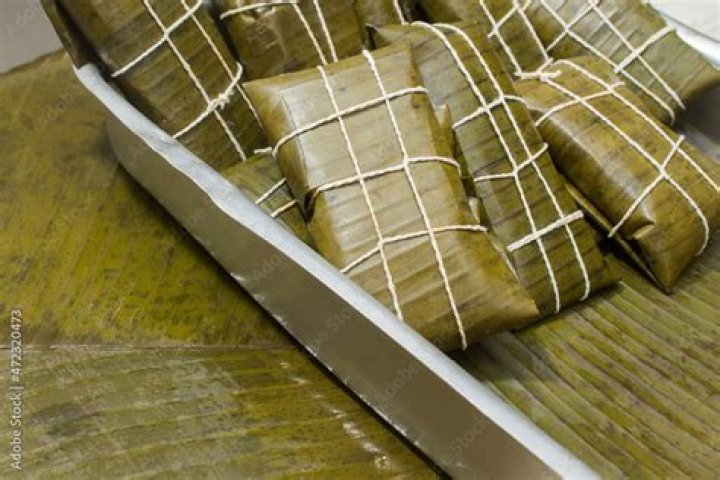
Venezuelan cuisine is a vibrant tapestry of flavors, traditions, and history that reflects the country's diverse cultural influences. With its unique blend of indigenous, Spanish, African, and Caribbean elements, traditional Venezuelan cuisine offers an unforgettable culinary experience. Whether you're a food enthusiast or simply curious about global flavors, this article will take you on a flavorful journey through the heart of Venezuela.
From the Andes to the Amazon, Venezuelan food showcases the country's rich biodiversity and agricultural abundance. Staples such as corn, beans, plantains, and yuca form the foundation of many dishes, while regional variations add depth and character to the cuisine. This article will delve into the intricacies of traditional Venezuelan cuisine, exploring its history, key ingredients, popular dishes, and cultural significance.
As we explore this culinary tradition, we'll uncover the stories behind the food, meet the artisans who preserve these recipes, and highlight why Venezuelan cuisine deserves a place on every global food lover's radar. Let's dive in and discover what makes this cuisine so special!
The History of Venezuelan Cuisine
Venezuelan cuisine has deep historical roots that date back to the pre-Columbian era. The indigenous peoples of Venezuela, such as the Carib, Arawak, and Wayuu, cultivated crops like corn, yuca, and plantains, which remain staples in modern Venezuelan dishes. When the Spanish arrived in the 16th century, they introduced new ingredients like wheat, rice, and livestock, which were incorporated into the local diet.
Over time, African slaves brought to Venezuela during the colonial period added their own culinary traditions, introducing flavors and techniques that further enriched the cuisine. This fusion of indigenous, Spanish, and African influences created a unique culinary identity that continues to thrive today.
Colonial Impact on Venezuelan Food
The colonial period played a significant role in shaping Venezuelan cuisine. European settlers introduced new cooking methods and ingredients, such as olive oil, garlic, and spices, which were integrated into traditional recipes. This period also saw the rise of mestizo cuisine, a blend of indigenous and Spanish culinary practices that became the foundation of modern Venezuelan cooking.
Key Ingredients in Traditional Venezuelan Cuisine
The cornerstone of traditional Venezuelan cuisine lies in its use of fresh, locally sourced ingredients. Corn, yuca, plantains, and beans are staples that feature prominently in many dishes. These ingredients are often combined with herbs, spices, and meats to create flavorful and satisfying meals.
- Corn: Used to make arepas, cachapas, and other traditional breads.
- Yuca: A versatile root vegetable used in soups, stews, and side dishes.
- Plantains: Ripe or green, plantains are fried, baked, or boiled to add sweetness or texture to meals.
- Beans: Black beans, in particular, are a staple in Venezuelan diets, often served alongside rice.
Spices and Herbs in Venezuelan Cooking
Venezuelan cuisine is known for its use of aromatic spices and herbs that enhance the natural flavors of ingredients. Common seasonings include cilantro, culantro, oregano, and garlic. These spices not only add depth to dishes but also reflect the country's diverse cultural influences.
Popular Traditional Venezuelan Dishes
Traditional Venezuelan cuisine offers a wide array of dishes that cater to every palate. From hearty stews to light snacks, there's something for everyone to enjoy. Below are some of the most popular Venezuelan dishes:
- Arepas: Cornmeal patties filled with various ingredients like cheese, meat, or beans.
- Pabellón Criollo: A traditional dish consisting of shredded beef, black beans, rice, and plantains.
- Cachapas: Sweet corn pancakes often served with fresh cheese.
- Hallacas: A festive dish made with a mixture of meats, spices, and vegetables wrapped in plantain leaves.
Street Food in Venezuela
Street food is an integral part of Venezuelan culture, offering affordable and delicious options for locals and tourists alike. Popular street foods include empanadas, cachitos, and tequeños, which are all made with fresh, high-quality ingredients.
Regional Variations in Venezuelan Cuisine
Venezuela's diverse geography gives rise to distinct regional cuisines, each with its own unique characteristics. Coastal regions, for example, rely heavily on seafood, while the Andes feature hearty, mountain-inspired dishes. The Amazon region incorporates indigenous ingredients and techniques, resulting in flavorful and exotic meals.
Andean Cuisine
In the Andes, traditional Venezuelan cuisine emphasizes hearty, warming dishes made with potatoes, corn, and meat. Soups and stews are particularly popular, providing sustenance in the cooler climate of the highlands.
Culinary Techniques in Venezuelan Cooking
Venezuelan cooking employs a variety of techniques that highlight the natural flavors of ingredients. Grilling, frying, and boiling are common methods used to prepare meats, vegetables, and grains. Additionally, traditional Venezuelan cuisine often involves slow-cooking methods, allowing flavors to meld and intensify over time.
Traditional Cooking Methods
Many Venezuelan dishes are prepared using traditional methods passed down through generations. For example, hallacas are traditionally cooked in banana leaves, while arepas are grilled or fried to achieve the perfect texture.
Cultural Significance of Venezuelan Food
Food plays a central role in Venezuelan culture, bringing people together for celebrations, family gatherings, and everyday meals. Traditional dishes often carry deep cultural significance, reflecting the country's history, traditions, and values. Sharing a meal is seen as an act of hospitality and community, making Venezuelan cuisine an essential part of the nation's identity.
Food and Family in Venezuela
In Venezuela, food is deeply tied to family life. Meals are typically enjoyed together, with recipes passed down from generation to generation. This tradition fosters a sense of continuity and connection to the past, ensuring that traditional Venezuelan cuisine remains vibrant and alive.
Modern Influences on Traditional Cuisine
While traditional Venezuelan cuisine remains rooted in its historical and cultural heritage, modern influences have begun to shape the culinary landscape. Globalization has introduced new ingredients and techniques, allowing chefs to innovate while still honoring traditional recipes. This fusion of old and new has led to exciting developments in Venezuelan gastronomy.
Fusion Cuisine in Venezuela
Modern Venezuelan chefs are experimenting with fusion cuisine, combining traditional ingredients with international flavors and techniques. This approach not only preserves the essence of traditional dishes but also expands their appeal to a global audience.
Nutritional Aspects of Venezuelan Cuisine
Venezuelan cuisine offers a balanced diet rich in essential nutrients. Staples like corn, beans, and plantains provide carbohydrates, fiber, and protein, while meats and dairy products supply additional nutrients. However, moderation is key, as some dishes can be high in fat and calories.
Health Benefits of Traditional Ingredients
Many traditional Venezuelan ingredients offer health benefits. For example, yuca is a good source of carbohydrates and vitamins, while black beans are rich in protein and fiber. Incorporating these ingredients into a balanced diet can promote overall health and well-being.
Venezuelan Food in Celebrations and Festivals
No Venezuelan celebration is complete without food. Traditional dishes play a central role in holidays, festivals, and special occasions, bringing people together to share in the joy of the moment. Hallacas, for instance, are a staple during Christmas celebrations, symbolizing unity and tradition.
Christmas Traditions in Venezuela
Christmas in Venezuela is a time of feasting and family gatherings, with hallacas, pan de jamón, and ponche crema being the stars of the holiday table. These dishes not only satisfy the palate but also carry deep cultural significance, connecting Venezuelans to their heritage.
The Global Influence of Venezuelan Cuisine
As Venezuelans have migrated around the world, they have brought their culinary traditions with them, introducing global audiences to the delights of traditional Venezuelan cuisine. Venezuelan restaurants and food trucks can now be found in many countries, offering a taste of this vibrant culinary culture to food lovers everywhere.
Venezuelan Cuisine Abroad
In cities with large Venezuelan populations, such as Miami, Madrid, and Bogotá, Venezuelan cuisine has gained popularity, with arepas and pabellón criollo becoming local favorites. This growing recognition highlights the universal appeal of Venezuelan flavors and traditions.
Kesimpulan
Traditional Venezuelan cuisine is a celebration of flavors, traditions, and history that reflects the country's rich cultural heritage. From the staples of corn and yuca to the vibrant dishes of pabellón criollo and hallacas, Venezuelan food offers something for everyone to enjoy. As globalization continues to influence culinary trends, Venezuelan cuisine remains a testament to the power of tradition and innovation.
We invite you to explore the world of Venezuelan cuisine further by trying new recipes, visiting Venezuelan restaurants, or even planning a trip to Venezuela to experience the flavors firsthand. Share your thoughts and experiences in the comments below, and don't forget to check out our other articles for more insights into global cuisines.