
Exploring the Timeless Legacy of Moody Blues Albums
By William Brown
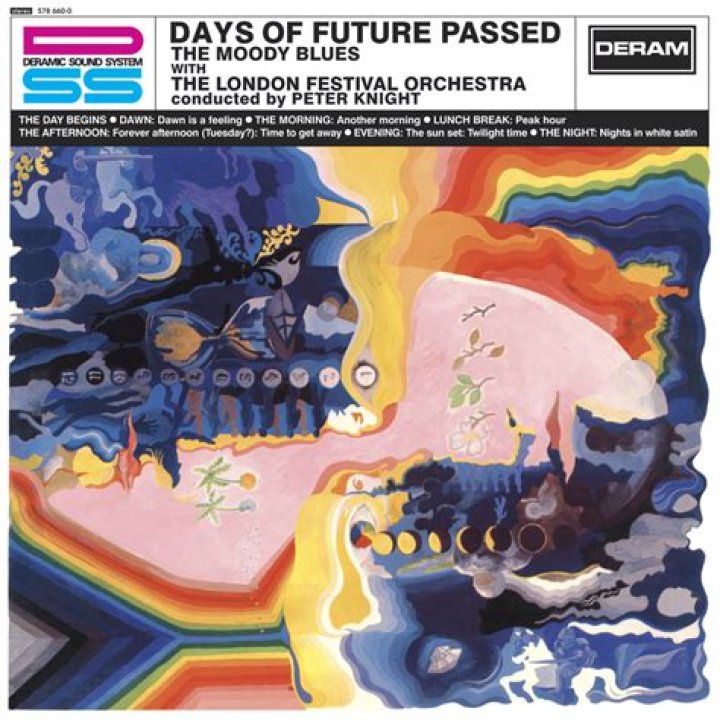
The Moody Blues, a legendary British rock band, have left an indelible mark on the world of music with their distinctive sound and profound lyrics. Formed in 1964, the band revolutionized the music industry with their innovative approach to rock music, incorporating orchestral elements and poetic storytelling. Their albums remain timeless classics that continue to captivate audiences across generations.
From their early days as a rhythm and blues band to their transformation into pioneers of progressive rock, the Moody Blues carved a unique niche in the music world. Their ability to blend rock with classical music elements set them apart from their contemporaries. With their use of Mellotron and orchestral arrangements, they created a sound that was both innovative and deeply emotional.
Throughout their career, the Moody Blues released numerous albums that not only defined their era but also transcended it. These albums are celebrated for their lyrical depth, musical complexity, and emotional resonance. In this article, we will delve into the history, evolution, and impact of Moody Blues albums, exploring what makes them so special and enduring.
Introduction to Moody Blues Albums
Moody Blues albums are celebrated for their ability to evoke deep emotions and tell compelling stories through music. Each album is a testament to the band's dedication to artistic expression and musical innovation. From their debut album to their later works, the band consistently pushed the boundaries of what rock music could achieve.
Their albums are not just collections of songs but cohesive works of art that explore themes of love, life, spirituality, and human experience. This approach to album-making was revolutionary at the time and influenced countless artists who followed.
A Brief History of the Moody Blues
The Moody Blues were formed in Birmingham, England, in 1964. Initially, they were a rhythm and blues band, but their sound evolved significantly over the years. The band's original lineup included Denny Laine, Clint Warwick, Mike Pinder, Ray Thomas, and Graeme Edge. However, it was the addition of Justin Hayward and John Lodge that marked the beginning of the band's most successful period.
Key Members and Their Contributions
- Justin Hayward: Lead vocalist and guitarist, known for his melodic songwriting.
- John Lodge: Bassist and vocalist, contributed to the band's harmonies and songwriting.
- Graeme Edge: Drummer and lyricist, provided the band's distinctive spoken word introductions.
- Mike Pinder: Keyboardist, pioneered the use of Mellotron in rock music.
- Ray Thomas: Flautist and vocalist, added a unique texture to the band's sound.
Early Albums: The Beginnings
The early Moody Blues albums laid the foundation for their future success. Their debut album, "The Magnificent Moodies," showcased their roots in rhythm and blues while hinting at the direction they would take. However, it was their second album, "Days of Future Passed," that truly defined their sound and established them as pioneers of progressive rock.
Key Early Albums
- The Magnificent Moodies: Released in 1965, this album featured the hit single "Go Now."
- Days of Future Passed: Released in 1967, this album combined rock with orchestral arrangements, setting a new standard for rock music.
Days of Future Passed: A Groundbreaking Masterpiece
"Days of Future Passed" is often regarded as the Moody Blues' most influential album. It was one of the first rock albums to incorporate a full orchestra, creating a sound that was both grand and intimate. The album features timeless tracks such as "Nights in White Satin" and "Tuesday Afternoon," which continue to resonate with audiences today.
According to a study by the Rock and Roll Hall of Fame, "Days of Future Passed" is considered one of the most innovative albums of the 1960s, influencing countless artists and bands in the decades that followed.
In Search of the Lost Chord and On the Threshold of a Dream
Following the success of "Days of Future Passed," the Moody Blues released two more critically acclaimed albums: "In Search of the Lost Chord" and "On the Threshold of a Dream." These albums further explored the band's interest in spirituality and introspection, with lyrics that delved into deeper philosophical themes.
Key Tracks
- In Search of the Lost Chord: Features tracks like "Om" and "Ride My See-Saw."
- On the Threshold of a Dream: Includes the hauntingly beautiful "Never Comes the Dawn."
Later Albums: Continued Success
Throughout the 1970s and beyond, the Moody Blues continued to release successful albums that maintained their signature sound while exploring new musical directions. Albums such as "Seventh Sojourn" and "Octave" showcased the band's ability to evolve while staying true to their core identity.
Notable Later Albums
- Seventh Sojourn: Released in 1972, this album features the hit single "Isn't Life Strange."
- Octave: Released in 1978, this album marked the end of an era for the band, with all original members contributing.
Musical Innovations and Their Impact
The Moody Blues were pioneers in the use of technology and orchestration in rock music. Their introduction of the Mellotron, an early keyboard instrument capable of reproducing orchestral sounds, was revolutionary at the time. This innovation allowed them to create rich, layered soundscapes that became a hallmark of their music.
According to a report by Rolling Stone, the Moody Blues' use of orchestral elements in rock music influenced a wide range of artists, from progressive rock bands to modern-day musicians.
Influence on the Music Industry
The impact of Moody Blues albums on the music industry cannot be overstated. Their approach to album-making, where each track contributes to a cohesive whole, set a new standard for rock music. This influence can be seen in the works of bands like Pink Floyd, Genesis, and Yes, who were inspired by the Moody Blues' pioneering spirit.
Best-Selling Moody Blues Albums
Several Moody Blues albums have achieved significant commercial success, with millions of copies sold worldwide. These albums not only reflect the band's popularity but also their enduring appeal.
Top Selling Albums
- Days of Future Passed: Certified multi-platinum, this album remains one of the band's best-selling works.
- Seventh Sojourn: Another multi-platinum success, featuring the hit single "Isn't Life Strange."
The Lasting Legacy of Moody Blues Albums
The legacy of Moody Blues albums extends far beyond their commercial success. Their music continues to inspire and resonate with audiences, proving that true artistry transcends time. The band's commitment to innovation, emotional depth, and lyrical sophistication has left an indelible mark on the world of music.
As we look back on the history and evolution of Moody Blues albums, it becomes clear that their contribution to music is unparalleled. Their work serves as a reminder of the power of music to connect, inspire, and transform.
Call to Action
Have you listened to the Moody Blues' timeless classics? Share your thoughts and favorite tracks in the comments below. For more insights into the world of music, explore our other articles and stay tuned for updates. Let's continue the conversation and celebrate the legacy of one of rock music's most iconic bands.


