Exploring the Universe: Celebrating Black Astrophysicists and Their Contributions
By Matthew Harrington
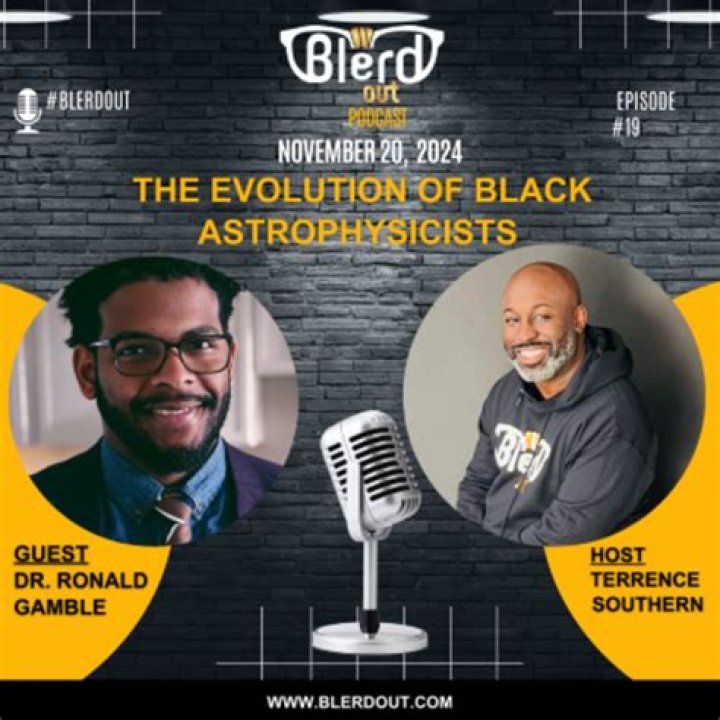
The field of astrophysics has been revolutionized by the groundbreaking contributions of black astrophysicists, who have played pivotal roles in shaping our understanding of the cosmos. These remarkable scientists have not only advanced scientific knowledge but also inspired future generations to pursue careers in STEM fields. Their achievements stand as a testament to the power of diversity in science.
For centuries, the study of the universe has captivated the human mind, sparking curiosity about the origins of stars, galaxies, and the vastness of space. Black astrophysicists have emerged as key figures in unraveling these mysteries, challenging stereotypes and breaking barriers in a field historically dominated by a narrow demographic.
In this article, we will delve into the remarkable contributions of black astrophysicists, their historical journey, and the challenges they have overcome. By exploring their stories and achievements, we aim to highlight the importance of inclusivity and diversity in science while celebrating the legacy of these trailblazers.
Biography of Notable Black Astrophysicists
Many black astrophysicists have made significant strides in their careers, contributing to groundbreaking discoveries and inspiring others. Below is a brief overview of some of the most notable figures in the field:
Biodata of Prominent Black Astrophysicists
| Name | Birth Year | Field of Study | Key Achievements |
|---|---|---|---|
| Neil deGrasse Tyson | 1958 | Cosmology and Astrophysics | Director of the Hayden Planetarium, author of numerous books, and host of Cosmos: A Spacetime Odyssey. |
| Chanda Prescod-Weinstein | 1982 | Cosmology and Theoretical Physics | Pioneer in theoretical physics, focusing on dark matter and quantum field theory. |
| Arthur B.C. Walker II | 1936 | Solar Physics | Pioneering research on the Sun's corona and mentor to many young scientists. |
Historical Contributions of Black Astrophysicists
Black astrophysicists have a rich history of contributions to the field, dating back to the early 20th century. Despite facing systemic racism and discrimination, these scientists persevered and made significant discoveries that have shaped modern astrophysics.
- Edward Bouchet: The first African American to earn a Ph.D. in physics in the United States, paving the way for future generations.
- George Carruthers: Inventor of the far-ultraviolet camera and spectrograph, which was used in the Apollo 16 mission to study Earth's atmosphere.
Challenges Faced by Black Astrophysicists
The journey of black astrophysicists has not been without challenges. From racial discrimination to limited access to educational resources, these scientists have faced numerous obstacles. However, their resilience and determination have enabled them to overcome these barriers and achieve success.
Addressing Systemic Issues
In recent years, there has been a growing movement to address systemic racism in the sciences. Initiatives such as the National Society of Black Physicists and the American Astronomical Society's Committee on the Status of Minorities in Astronomy are working to create a more inclusive environment for all scientists.
Modern Contributions to Astrophysics
Today, black astrophysicists continue to make significant contributions to the field. From studying black holes to exploring the mysteries of dark matter, these scientists are at the forefront of cutting-edge research.
Neil deGrasse Tyson: A Voice for Science
As the director of the Hayden Planetarium and a prominent public figure, Neil deGrasse Tyson has become a leading advocate for science education and outreach. His work has inspired countless individuals to pursue careers in STEM fields.
Inspiring the Next Generation
One of the most important roles of black astrophysicists is inspiring the next generation of scientists. By sharing their stories and achievements, they encourage young people from diverse backgrounds to pursue careers in science.
Role Models in Science
Role models play a crucial role in shaping the aspirations of young people. Black astrophysicists serve as powerful examples of what can be achieved through hard work, dedication, and perseverance.
Educational Pathways for Aspiring Astrophysicists
For those interested in pursuing a career in astrophysics, there are several educational pathways available. From undergraduate programs to graduate studies, aspiring astrophysicists can gain the knowledge and skills needed to succeed in this exciting field.
Key Steps to Becoming an Astrophysicist
- Earn a bachelor's degree in physics, astronomy, or a related field.
- Pursue a master's or Ph.D. in astrophysics or a related discipline.
- Engage in research opportunities and internships to gain hands-on experience.
Collaborations in Global Astronomy
Global collaborations have become increasingly important in the field of astrophysics. By working together, scientists from diverse backgrounds can tackle some of the most pressing questions in astronomy and cosmology.
International Initiatives
Initiatives such as the Square Kilometre Array and the James Webb Space Telescope represent collaborative efforts to advance our understanding of the universe. These projects bring together scientists from around the world, fostering a spirit of cooperation and innovation.
Impact on Science and Society
The contributions of black astrophysicists have had a profound impact on both science and society. By breaking down barriers and promoting inclusivity, these scientists have helped create a more equitable and diverse scientific community.
Advancing Equity in Science
Efforts to promote equity in science are essential for ensuring that all individuals have the opportunity to succeed. By supporting diversity and inclusion, we can create a brighter future for science and society as a whole.
Future Directions in Astrophysics
As technology continues to advance, the field of astrophysics is poised for exciting discoveries in the years to come. From exploring exoplanets to studying the early universe, black astrophysicists will undoubtedly play a key role in shaping the future of this dynamic field.
Emerging Technologies
New technologies such as gravitational wave detectors and advanced telescopes are opening up new avenues of research in astrophysics. These tools will enable scientists to explore the universe in unprecedented detail, uncovering new insights and discoveries.
Conclusion
The contributions of black astrophysicists have been instrumental in advancing our understanding of the universe. By celebrating their achievements and promoting inclusivity in science, we can inspire future generations to pursue careers in astrophysics and related fields.
We invite you to share this article with others and engage in discussions about the importance of diversity in science. Together, we can create a more equitable and inclusive scientific community that benefits everyone.