
FDR Legacy: The Enduring Impact of Franklin D. Roosevelt on Modern America
By Sarah Rowe
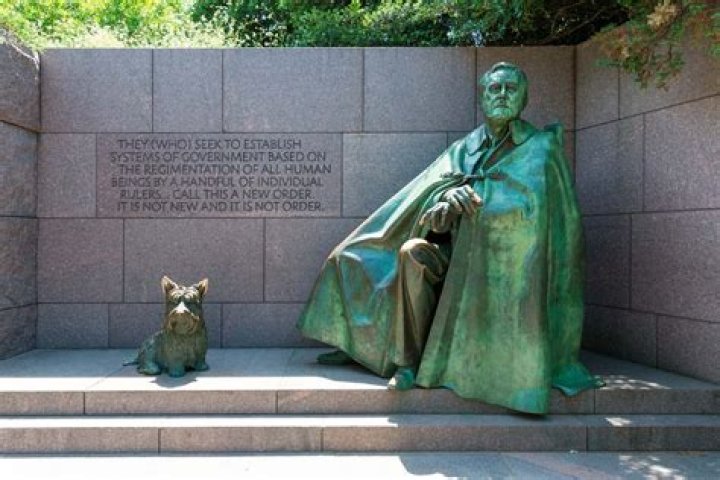
Franklin D. Roosevelt, or FDR, is one of the most influential figures in American history, and his legacy continues to shape the nation today. As the only U.S. president to be elected four times, FDR led the country through some of its most challenging periods, including the Great Depression and World War II. His policies and leadership have left an indelible mark on American society, politics, and economics.
FDR's presidency was marked by bold initiatives and transformative programs, such as the New Deal, which aimed to restore economic stability and provide relief to millions of Americans. His leadership during World War II also solidified the United States' position as a global superpower. Understanding FDR's legacy is crucial for comprehending the foundations of modern America.
This article delves into the enduring impact of FDR's presidency, exploring his contributions to social welfare, economic reform, and international relations. By examining his policies and leadership style, we can appreciate how FDR's legacy continues to influence contemporary political discourse and national priorities.
Biography of Franklin D. Roosevelt
Personal Information
Franklin Delano Roosevelt was born on January 30, 1882, in Hyde Park, New York. Below is a summary of his personal information:
| Full Name | Franklin Delano Roosevelt |
|---|---|
| Birth Date | January 30, 1882 |
| Death Date | April 12, 1945 |
| Place of Birth | Hyde Park, New York |
| Spouse | Eleanor Roosevelt |
| Children | Anna, James, Elliott, Franklin Jr., and John |
| Political Party | Democratic |
Early Life and Political Beginnings
Franklin D. Roosevelt's early life was marked by privilege and education. He attended prestigious institutions such as Groton School and Harvard University, where he developed a strong foundation in leadership and public service. His entry into politics began with a seat in the New York State Senate in 1910, and he quickly rose through the ranks of the Democratic Party.
Roosevelt's career suffered a setback in 1921 when he contracted polio, leaving him partially paralyzed. However, this did not deter him from pursuing his political ambitions. With the support of his wife, Eleanor Roosevelt, and other allies, FDR overcame personal challenges and continued to advocate for progressive policies.
The New Deal: Transforming America
Key Programs of the New Deal
The New Deal was a series of programs and reforms introduced by FDR to combat the economic devastation of the Great Depression. These programs aimed to provide relief, recovery, and reform to the American people. Some of the key initiatives include:
- Works Progress Administration (WPA): Created jobs for millions of unemployed Americans by funding infrastructure projects and public works.
- Social Security Act: Established a safety net for the elderly, unemployed, and disabled, ensuring financial security for future generations.
- Civilian Conservation Corps (CCC): Provided employment opportunities in conservation and environmental projects.
These programs not only addressed immediate economic needs but also laid the groundwork for a more resilient and equitable society.
Leadership During World War II
Strategic Decisions and Alliances
As World War II unfolded, FDR's leadership was instrumental in guiding the United States through one of its most pivotal moments in history. His strategic decisions, such as forming alliances with Britain and the Soviet Union, played a crucial role in the Allied victory. Roosevelt's ability to rally the nation and inspire confidence during wartime solidified his reputation as a visionary leader.
Key events during this period include the signing of the Lend-Lease Act, which provided critical aid to Allied nations, and the establishment of the United Nations, which aimed to promote global peace and cooperation.
Economic Impact of FDR's Policies
FDR's economic policies had a profound impact on the American economy. The New Deal programs helped to stabilize the banking system, create jobs, and stimulate industrial growth. By the end of his presidency, the United States had emerged from the depths of the Great Depression and was on the path to economic recovery.
According to the U.S. Bureau of Labor Statistics, unemployment rates dropped significantly during FDR's tenure, from a peak of 25% in 1933 to around 10% by 1940. This improvement was largely attributed to the implementation of the New Deal programs and wartime production.
Social Welfare and Civil Rights
Advancements in Social Welfare
FDR's commitment to social welfare extended beyond economic recovery. His administration championed policies that addressed issues of inequality and discrimination. The Social Security Act, for example, provided a safety net for vulnerable populations, while the Fair Labor Standards Act established minimum wage and overtime protections for workers.
Although FDR faced criticism for not addressing civil rights issues more aggressively, his administration laid the groundwork for future advancements. The desegregation of the armed forces during World War II and the establishment of the Fair Employment Practices Committee were important steps toward greater equality.
Global Influence and Diplomacy
FDR's legacy extends beyond the borders of the United States. His diplomatic efforts during World War II and the post-war period helped to shape the modern global order. The creation of the United Nations and the Bretton Woods system were direct results of FDR's vision for international cooperation and stability.
His relationships with world leaders, such as Winston Churchill and Joseph Stalin, demonstrated his ability to navigate complex geopolitical dynamics. FDR's leadership during this critical period ensured that the United States emerged as a dominant force on the world stage.
FDR Legacy Today
Relevance in Contemporary Politics
The legacy of Franklin D. Roosevelt continues to influence contemporary politics and policy-making. Many of the programs and institutions established during his presidency remain cornerstones of American society. The Social Security system, for example, is still a vital component of the nation's social safety net, providing financial security to millions of Americans.
Additionally, FDR's emphasis on progressive taxation and government intervention in the economy has informed modern economic policies. His vision of a more equitable and inclusive society remains a guiding principle for policymakers and activists today.
Criticisms and Controversies
Despite his many accomplishments, FDR's presidency was not without controversy. Critics have argued that some of his policies, such as the internment of Japanese Americans during World War II, were unjust and violated civil liberties. Additionally, opponents of the New Deal have questioned the long-term economic impact of government intervention.
However, supporters of FDR argue that his actions were necessary to address the unprecedented challenges of his time. They point to the positive outcomes of his policies, such as reduced unemployment and increased economic stability, as evidence of his effectiveness as a leader.
Conclusion
FDR's legacy as one of America's greatest presidents is undeniable. His leadership during the Great Depression and World War II transformed the nation and left a lasting impact on its political, economic, and social landscape. The programs and policies he implemented continue to shape contemporary discourse and policy-making.
As we reflect on FDR's legacy, it is important to recognize both his achievements and the challenges he faced. By learning from his successes and shortcomings, we can better understand the complexities of leadership and the importance of addressing the needs of all citizens.
We invite you to share your thoughts and insights in the comments section below. Additionally, please explore other articles on our site to deepen your understanding of American history and its relevance today. Together, we can continue the conversation about how FDR's legacy informs our world today.


