
Forever 21: A Comprehensive Guide to the Iconic Fashion Brand
By Matthew Harrington
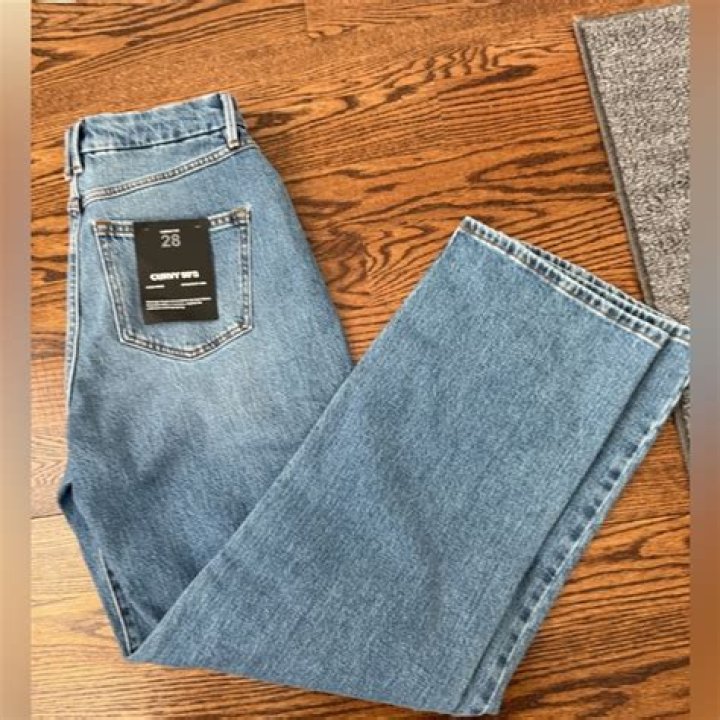
Forever 21 has become a household name in the fashion industry, captivating millions of fashion enthusiasts worldwide. Since its inception, the brand has continuously evolved, offering trendy clothing at affordable prices. Forever 21's influence extends beyond just clothing, shaping modern fashion culture and trends.
From its humble beginnings to becoming a global powerhouse, Forever 21's journey is both inspiring and fascinating. The brand has managed to stay relevant in an ever-changing fashion landscape, adapting to consumer demands and emerging trends.
This article delves deep into the world of Forever 21, exploring its history, product offerings, controversies, and future prospects. Whether you're a loyal customer or simply curious about the brand, this guide will provide you with valuable insights into what makes Forever 21 a timeless favorite.
The History of Forever 21
Forever 21 was founded in 1984 by Do Won Chang and Jin Sook Chang in Los Angeles, California. Initially starting as a small boutique, the brand quickly gained popularity due to its trendy designs and affordable pricing. Over the years, Forever 21 expanded its operations, opening stores across the United States and eventually going global.
The brand's name, Forever 21, reflects its target audience—women in their early twenties who are fashion-forward and value affordability. This positioning helped Forever 21 carve out a niche in the competitive fast-fashion market.
Forever 21's rapid growth can be attributed to its ability to anticipate and respond to changing fashion trends. By offering a wide range of styles, the brand catered to diverse customer preferences, further solidifying its position as a leading fashion retailer.
Key Milestones in Forever 21's History
- 1984: Founded in Los Angeles, California
- 1990s: Expansion across the United States
- 2000s: Global expansion with stores in Europe and Asia
- 2019: Filed for Chapter 11 bankruptcy protection
Forever 21's Product Offerings
Forever 21 offers a diverse range of products that cater to various fashion needs. From clothing to accessories, the brand provides something for everyone. Its product line includes tops, dresses, jeans, outerwear, swimwear, and more.
In addition to clothing, Forever 21 also offers footwear, beauty products, and home decor items. This extensive product range allows customers to shop for their entire wardrobe and lifestyle needs under one roof.
Forever 21's collaborations with popular designers and celebrities have also contributed to its success. These limited-edition collections generate excitement and drive sales, further enhancing the brand's appeal.
Popular Product Categories
- Women's Fashion
- Men's Fashion
- Accessories
- Beauty Products
Understanding Forever 21's Target Market
Forever 21's target market primarily consists of young adults aged 18-30 who are fashion-conscious and budget-minded. The brand appeals to those who want to stay on-trend without breaking the bank.
By offering trendy clothing at competitive prices, Forever 21 attracts a wide demographic, including students, working professionals, and young families. The brand's inclusive sizing and diverse product range further enhance its appeal to a broader audience.
Forever 21's marketing strategies, such as social media campaigns and influencer partnerships, effectively reach its target audience. These efforts help maintain brand relevance and engagement with its customer base.
Controversies Surrounding Forever 21
Like many large corporations, Forever 21 has faced its share of controversies over the years. One of the most significant issues has been accusations of labor exploitation in its supply chain. Critics argue that Forever 21's fast-fashion model prioritizes profit over ethical practices.
Additionally, the brand has been involved in legal disputes regarding intellectual property rights. Forever 21 has faced lawsuits from other brands alleging copyright infringement on certain designs. These controversies have prompted the company to reevaluate its practices and improve transparency.
Forever 21's bankruptcy filing in 2019 also raised concerns about its financial stability. However, the brand has since restructured and continues to operate successfully in many markets.
Steps Taken to Address Controversies
- Improved supply chain transparency
- Strengthened intellectual property policies
- Enhanced financial management practices
Forever 21 and Sustainability
In recent years, Forever 21 has made efforts to address environmental concerns associated with fast fashion. The brand has introduced sustainable collections made from eco-friendly materials, such as organic cotton and recycled polyester.
Forever 21's commitment to sustainability extends beyond its product offerings. The company has implemented initiatives to reduce waste, conserve energy, and promote ethical sourcing. These efforts aim to minimize the environmental impact of its operations.
While there is still room for improvement, Forever 21's steps toward sustainability demonstrate its willingness to adapt to changing consumer values and expectations.
Sustainable Initiatives by Forever 21
- Introduction of eco-friendly product lines
- Partnerships with sustainable organizations
- Implementation of waste reduction programs
Global Expansion of Forever 21
Forever 21's global expansion has been a key factor in its success. The brand currently operates in over 80 countries, with stores in major cities around the world. This international presence allows Forever 21 to reach a global audience and cater to diverse cultural preferences.
The brand's ability to adapt its product offerings to local markets has contributed to its global appeal. By understanding regional tastes and trends, Forever 21 ensures that its products resonate with customers in different parts of the world.
Forever 21's online platform further extends its reach, enabling customers to shop from anywhere. This digital presence complements its physical stores, creating a seamless shopping experience for customers worldwide.
Challenges in Global Expansion
- Cultural differences in fashion preferences
- Regulatory requirements in different countries
- Logistical challenges in supply chain management
Forever 21's Online Presence
Forever 21's online presence is a crucial component of its business strategy. The brand's website and social media platforms serve as valuable tools for engaging with customers and promoting its products. With millions of followers across various platforms, Forever 21 leverages digital marketing to drive sales and enhance brand awareness.
The brand's e-commerce platform offers a convenient shopping experience, allowing customers to browse and purchase products from the comfort of their homes. Features such as virtual try-ons and personalized recommendations enhance the online shopping experience, making it more interactive and enjoyable.
Social media campaigns and influencer partnerships further amplify Forever 21's reach, connecting with younger audiences and fostering brand loyalty.
Key Features of Forever 21's Online Platform
- Virtual try-on technology
- Personalized product recommendations
- Seamless checkout process
Forever 21's Brand Identity
Forever 21's brand identity is built on the principles of affordability, trendiness, and inclusivity. The brand's logo and marketing materials reflect its youthful and vibrant image, appealing to its target audience.
Forever 21's commitment to offering a wide range of styles ensures that its products cater to diverse customer preferences. This inclusivity is further reinforced by its diverse product line, which includes sizes ranging from XS to 3XL.
The brand's collaborations with popular designers and celebrities enhance its appeal, associating Forever 21 with cutting-edge fashion and innovation.
Elements of Forever 21's Brand Identity
- Affordable pricing
- Trendy designs
- Inclusive sizing options
Forever 21 vs. Competitors
In the competitive fast-fashion market, Forever 21 faces stiff competition from brands such as H&M, Zara, and Uniqlo. Each of these competitors offers similar product ranges and pricing strategies, making it essential for Forever 21 to differentiate itself.
Forever 21's unique selling points include its extensive product range, collaborations with popular designers, and strong social media presence. These factors help the brand stand out in a crowded market and maintain its customer base.
However, Forever 21 must continually innovate and adapt to changing consumer preferences to remain competitive. This includes embracing sustainability, enhancing digital experiences, and improving supply chain transparency.
Comparison of Forever 21 with Competitors
- H&M: Known for its sustainable fashion initiatives
- Zara: Renowned for its rapid fashion production
- Uniqlo: Famous for its minimalist designs
Future Prospects for Forever 21
Forever 21's future looks promising, with opportunities for growth and innovation on the horizon. The brand's commitment to sustainability, digital transformation, and customer engagement positions it well for long-term success.
As consumer preferences continue to evolve, Forever 21 must remain agile and responsive to changing market dynamics. This includes expanding its sustainable product lines, enhancing its online platform, and strengthening its brand identity.
With a strong foundation and a loyal customer base, Forever 21 is well-equipped to navigate the challenges and opportunities of the future fashion landscape.
Strategic Initiatives for Future Growth
- Expansion of sustainable product lines
- Enhancement of digital shopping experiences
- Strengthening of brand partnerships
Kesimpulan
Forever 21's journey from a small boutique to a global fashion powerhouse is a testament to its ability to adapt and innovate. The brand's commitment to affordability, trendiness, and inclusivity has resonated with millions of customers worldwide.
Despite facing challenges such as controversies and financial difficulties, Forever 21 has demonstrated resilience and determination. By embracing sustainability, enhancing its digital presence, and strengthening its brand identity, the company is well-positioned for future success.
We invite you to share your thoughts and experiences with Forever 21 in the comments below. Your feedback helps us improve and provides valuable insights for other readers. Don't forget to explore our other articles for more informative content on fashion and lifestyle trends.

![Naughty America: Watch & Download XXX - [Top Porn]](https://silver.isevcloud.co.uk/uploads/stream-1000s-of-exclusive-adult-porn-videos-joining-naughty-america-gets-you-access-to-thousands-of-the-best-porn-scenes-online-with-a-library-that-spans-over-20-years-you-39-ll-get-to-enjoy-the-latest-hottest-pornstars-from-milfs-to-teens-amateurs-to-award-winning-pro-39-s-and-some-faces-you-may-not-recognize-but-will-find-their-way-into-your-fantasies-naughty-america-is-the-global-authority-on-sex-watch-our-famous-porn-movies-or-have-the-real-experience-with-our-vr-porn-we-have-the-best-porn-stars-and-highest-quality-porn-we-are-here-to-help-you-find-your-fantasy-get-access-to-naughty-america-and-login-to-watch-and-download-porn-as-a-member-for-free-you-can-stream-our-4k-hd-and-vr-porn-on-desktops-laptops-mobile-phones-tablets-and-all-popular-virtual-reality-porn-headsets-like-vive-and-oculus-rift-watch-high-quality-hd-naughty-america-tube-videos-sex-trailers-no-password-is-required-to-watch-movies-on-pornhub-com-the-most-hardcore-xxx-movies-await-you-here-on-the-world-39-s-biggest-porn-tube-so-browse-the-amazing-selection-of-hot-naughty-america-sex-videos-now-watch-the-most-erotic-sex-scenes-in-amazing-vr-4k-and-hd-quality-enjoy-all-of-her-naughty-america-scenes-for-1-95-watch-new-u26a1-naughty-america-hd-porn-movies-and-pictures-all-videos-are-true-1080p-and-720p-enjoy-ufe0f-our-collection-of-naughty-america-xxx-films-ud83c-udf9e-ufe0f-xnxx-com-39-naughty-america-39-search-free-sex-videos-naughty-america-offers-the-best-and-exclusive-new-porn-on-the-internet-we-update-hd-4k-and-vr-porn-daily-so-experience-the-ultimate-xxx-videos-every-day-i-represent-warrant-and-agree-to-the-following-i-am-at-least-eighteen-18-years-of-age-and-have-the-legal-right-to-access-and-possess-adult-material-in-the-community-from-which-i-am-accessing-these-materials-and-in-which-i-reside-browse-all-naughty-america-categories-to-find-the-fantasy-that-is-right-for-you-we-39-re-obsessive-with-labeling-our-content-from-body-types-to-fantasies-lingerie-to-fetishes-whatever-you-want-it-39-ll-be-at-your-fingertips-log-into-the-member-39-s-area-of-the-best-porn-site-on-the-internet-naughty-america-is-one-the-the-most-award-winning-adult-entertainment-platforms-on-the-internet-for-over-20-years-naughty-america-has-defined-itself-by-constantly-booking-top-talent-staying-on-top-of-trending-and-classic-themes-alike-as-well-as-pushing-the-envelope-of-technology-and-entertainment-naughty-america-is-the-global-authority-on-sex-watch-our-famous-porn-movies-or-have-the-real-experience-with-our-vr-porn-we-have-the-best-porn-stars-and-highest-quality-porn-download-or-watch-top-rated-porn-videos-at-naughty-america-with-multiple-updates-daily-experience-your-favorite-xxx-pornstars-in-stunning-4k-vr-hd-quality-naughty-america-gives-you-access-to-massive-porn-collection-in-crystal-clear-highest-quality-photo-and-video-technologies-available-to-stream-and-download-from-any-desktop-laptop-mobile-or-smart-device-all-vr-porn-porn-movies-porn-deals-inside-naughty-america-ar-porn-my-naughty-america-playstation-vr-lenses-strip-club-naughty-america-is-one-the-the-most-award-winning-adult-entertainment-platforms-on-the-internet-for-over-20-years-naughty-america-has-defined-itself-by-constantly-booking-top-talent-staying-on-top-of-trending-and-classic-themes-alike-as-well-as-pushing-the-envelope-of-technology-and-entertainment-discover-naughty-america-full-hd-1080p-sex-videos-featuring-porn-stars-fucking-in-xxx-scenes-naughty-america-is-one-the-the-most-award-winning-adult-entertainment-platforms-on-the-internet-for-over-20-years-naughty-america-has-defined-itself-by-constantly-booking-top-talent-staying-on-top-of-trending-and-classic-themes-alike-as-well-as-pushing-the-envelope-of-technology-and-entertainment-best-pornstars-playing-and-having-fun-in-naughty-america-free-videos-enjoy-the-best-hd-porn-collection-on-our-free-xxx-tube-naughty-america-is-one-the-the-most-award-winning-adult-entertainment-platforms-on-the-internet-for-over-20-years-naughty-america-has-defined-itself-by-constantly-booking-top-talent-staying-on-top-of-trending-and-classic-themes-alike-as-well-as-pushing-the-envelope-of-technology-and-entertainment_720.jpg)

