
Greasy Hair Shampoo: The Ultimate Guide to Tackling Oily Hair
By William Brown
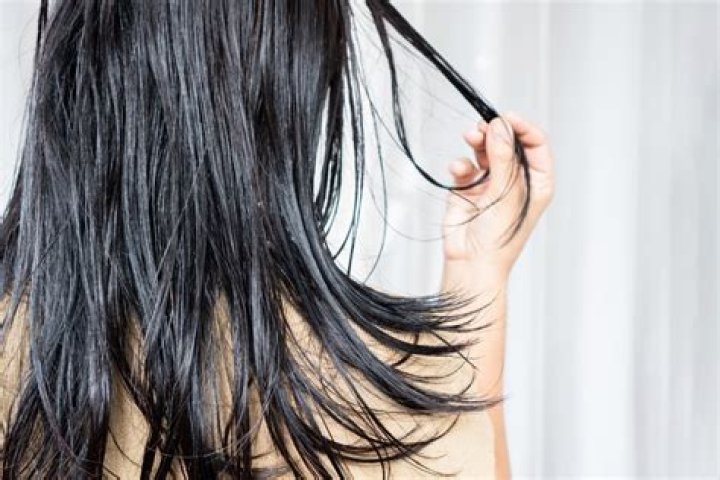
Oily hair can be a persistent and frustrating problem for many individuals. Whether it's caused by overactive sebaceous glands, improper hair care routines, or environmental factors, finding the right shampoo is crucial to managing greasy hair effectively. In this comprehensive guide, we will explore the best shampoos for oily hair, expert tips, and strategies to keep your scalp and strands looking fresh and clean.
Dealing with greasy hair doesn't have to feel like an uphill battle. With the right knowledge and products, you can restore balance to your scalp and maintain healthy-looking locks. This article will delve into everything you need to know about greasy hair shampoos, from understanding the causes of oily hair to selecting the best products for your hair type.
By the end of this guide, you'll have a better understanding of how to combat oily hair and achieve a more manageable and refreshed hairstyle. Let's get started!
Understanding Oily Hair
Oily hair is characterized by excessive sebum production, which can make your hair look greasy and weigh it down. While sebum is essential for maintaining healthy hair, an overproduction of this natural oil can lead to scalp issues and styling challenges. Understanding the root cause of oily hair is the first step toward finding the right solution.
Identifying the Signs of Greasy Hair
Some common signs of greasy hair include:
- Flat and lifeless hair
- Visible oil buildup on the scalp
- Quickly dirty-looking hair after washing
- Increased dandruff or flakiness
Recognizing these symptoms early can help you address the problem more effectively.
Causes of Greasy Hair
Several factors contribute to oily hair, including genetics, hormonal imbalances, and lifestyle choices. Here are some of the most common causes:
Hormonal Fluctuations
Hormonal changes, such as those experienced during puberty, pregnancy, or menopause, can trigger an increase in sebum production. This is because hormones like androgens stimulate the sebaceous glands to produce more oil.
Genetics
Genetics play a significant role in determining how much sebum your scalp produces. If your parents or siblings have oily hair, there's a higher chance that you will too.
Improper Hair Care
Using the wrong shampoo or over-washing your hair can exacerbate oiliness. It's essential to choose a product specifically formulated for oily hair and follow a consistent hair care routine.
Best Shampoos for Oily Hair
When it comes to combating greasy hair, selecting the right shampoo is key. Here are some of the best options available on the market:
1. Herbal Essences Bio:Renew Purifying Shampoo
This sulfate-free formula gently cleanses your scalp while removing excess oil and product buildup. It's enriched with natural ingredients like charcoal and tea tree oil, making it an excellent choice for maintaining a healthy scalp.
2. Neutrogena Anti-Residue Shampoo
Designed to remove impurities and buildup, this shampoo is perfect for those dealing with oily hair. Its mild formula ensures that your scalp remains clean without stripping away essential moisture.
Tips for Using Shampoo
To maximize the effectiveness of your greasy hair shampoo, consider the following tips:
Wash Your Hair Less Frequently
Washing your hair too often can strip it of natural oils, prompting your scalp to produce even more sebum. Try washing every other day or every two days to maintain a healthy balance.
Rinse with Cool Water
Using cool water instead of hot water can help reduce oil production and keep your scalp hydrated.
Home Remedies for Oily Hair
In addition to using store-bought shampoos, you can also try natural remedies to combat oily hair:
Apple Cider Vinegar Rinse
Apple cider vinegar is a popular home remedy for oily hair. Mix one part apple cider vinegar with three parts water and apply it to your scalp after shampooing. This solution helps balance your scalp's pH levels and reduces oil production.
Clay Mask Treatment
Clay masks, such as those made with bentonite or kaolin clay, can absorb excess oil from your scalp. Apply the mask once a week for best results.
Common Mistakes to Avoid
Avoiding common mistakes can significantly improve your hair's condition. Here are some pitfalls to steer clear of:
Over-Washing
Washing your hair too frequently can disrupt your scalp's natural oil balance, leading to increased oil production.
Using Heavy Products
Heavy styling products like gels and mousses can weigh down your hair and make it appear greasier. Opt for lightweight alternatives instead.
Frequent Questions
How Often Should I Wash My Hair?
The frequency of washing depends on your hair type and how oily it gets. As a general rule, aim to wash every two to three days to maintain balance.
Can Diet Affect Oily Hair?
Yes, a diet high in unhealthy fats and sugar can contribute to oily hair. Eating a balanced diet rich in fruits, vegetables, and omega-3 fatty acids can help regulate sebum production.
Importance of Diet
Your diet plays a crucial role in maintaining healthy hair. Consuming foods rich in vitamins and minerals can promote a balanced scalp environment:
Omega-3 Fatty Acids
Foods like salmon, walnuts, and flaxseeds contain omega-3 fatty acids, which help reduce inflammation and regulate oil production.
Vitamin B7 (Biotin)
Biotin is essential for hair health and can be found in eggs, nuts, and sweet potatoes. Incorporating biotin-rich foods into your diet may help manage oily hair.
Professional Treatments
If home remedies and over-the-counter products aren't providing the desired results, consider consulting a dermatologist. They can recommend professional treatments such as:
Chemical Peels
Chemical peels can help exfoliate the scalp and reduce oil production. These treatments should be administered by a licensed professional.
Laser Therapy
Laser therapy is another option for regulating sebum production. It works by targeting the sebaceous glands and reducing their activity.
Conclusion
Managing greasy hair requires a combination of the right products, proper hair care practices, and a healthy lifestyle. By understanding the causes of oily hair and selecting the best shampoo for your needs, you can achieve a more balanced and manageable hairstyle.
We encourage you to share your thoughts and experiences in the comments below. Additionally, don't forget to explore other articles on our website for more tips and advice on hair care. Together, let's take control of our hair health and embrace confidence in every strand!
Data Source: National Center for Biotechnology Information and Mayo Clinic.


