
Hair Twirling: A Comprehensive Guide to Understanding and Managing This Common Habit
By Sophia Edwards
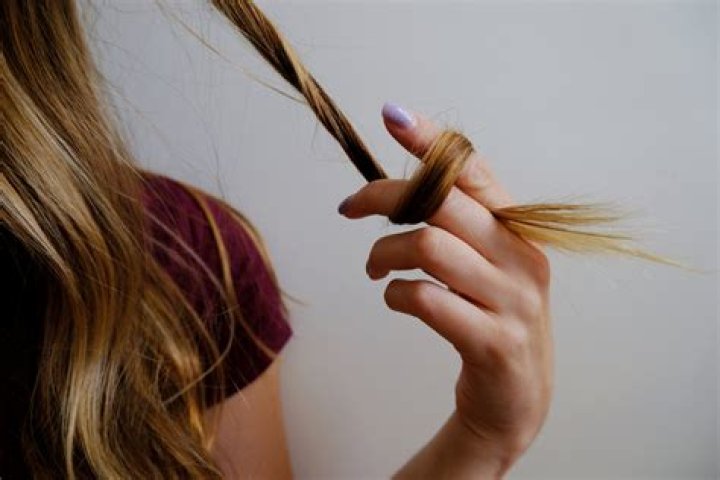
Hair twirling is a habit that many people engage in without even realizing it. This seemingly harmless behavior involves twisting or wrapping hair around the fingers, often as a response to stress, boredom, or anxiety. While it might not seem like a big deal, excessive hair twirling can lead to hair damage, scalp irritation, and even trichotillomania in severe cases.
This behavior often starts during childhood and can continue into adulthood, becoming a deeply ingrained habit for some individuals. It's essential to understand the reasons behind hair twirling and explore effective strategies to manage or overcome it. In this article, we will delve into the science behind this habit, its potential consequences, and practical tips to help you address it.
By the end of this guide, you'll have a comprehensive understanding of hair twirling, its causes, and how to manage it effectively. Whether you're someone who twirls your hair or know someone who does, this article will provide valuable insights and actionable advice.
What is Hair Twirling?
Hair twirling refers to the act of twisting, wrapping, or playing with one's hair using the fingers. This behavior is often performed unconsciously and can occur in various situations, such as during moments of stress, boredom, or deep concentration. While it may seem like a simple habit, hair twirling can have both physical and psychological implications.
This habit is more common among women and children, but men can also engage in it. Hair twirling is often linked to anxiety disorders, obsessive-compulsive tendencies, and even developmental stages in children. Understanding the underlying reasons behind this behavior is crucial for addressing it effectively.
Common Reasons Behind Hair Twirling
Stress and Anxiety
One of the primary reasons people engage in hair twirling is stress and anxiety. When individuals feel overwhelmed or anxious, they may turn to this behavior as a way to cope with their emotions. The repetitive motion of hair twirling can provide a sense of comfort and relief.
Boredom
Hair twirling can also occur when someone is bored or lacks stimulation. In such cases, the habit serves as a form of self-entertainment or a way to occupy idle hands. This is especially common in children who may not have developed other coping mechanisms.
Habitual Behavior
For some people, hair twirling becomes a deeply ingrained habit over time. They may not even realize they're doing it until someone points it out. This habitual behavior can be challenging to break without conscious effort and commitment.
Effects of Hair Twirling on Hair and Scalp
While occasional hair twirling is unlikely to cause significant damage, excessive twirling can lead to various issues, including:
- Hair breakage
- Split ends
- Scalp irritation
- Hair loss in severe cases
Continuous pulling or twisting of hair can weaken the hair shaft, making it more prone to breakage. Additionally, the friction caused by hair twirling can irritate the scalp, leading to discomfort or even infection if not addressed promptly.
Psychological Impact of Hair Twirling
Hair twirling can have psychological implications beyond just stress relief. For some individuals, this habit may indicate underlying anxiety disorders or obsessive-compulsive tendencies. If left unaddressed, it can escalate into more severe conditions, such as trichotillomania, which involves compulsive hair pulling.
Psychologists suggest that hair twirling can also affect self-esteem and social interactions. People who twirl their hair excessively may feel self-conscious about their habit, leading to social withdrawal or embarrassment in public settings.
Strategies for Managing Hair Twirling
Identify Triggers
The first step in managing hair twirling is identifying the triggers that lead to this behavior. Common triggers include stress, boredom, and anxiety. Once you recognize what prompts you to twirl your hair, you can work on addressing those triggers directly.
Practice Mindfulness
Mindfulness techniques, such as meditation or deep breathing exercises, can help you become more aware of your hair twirling habit. By staying present in the moment, you can catch yourself before engaging in the behavior and redirect your focus to healthier alternatives.
Keep Hands Occupied
One effective strategy is to keep your hands busy with other activities. This could include holding a stress ball, using fidget toys, or engaging in hobbies that require manual dexterity. By occupying your hands, you reduce the likelihood of unconsciously twirling your hair.
Substitutes for Hair Twirling
If you're looking for alternatives to hair twirling, consider the following options:
- Wearing a bracelet or ring to play with instead of hair
- Using a soft fabric or scarf to twist instead of hair
- Practicing yoga or tai chi to reduce stress and improve focus
- Engaging in creative activities like drawing or knitting
These substitutes can provide the same sense of comfort and relief without damaging your hair or scalp.
Hair Twirling and Trichotillomania
In severe cases, hair twirling can develop into trichotillomania, a psychological condition characterized by compulsive hair pulling. People with trichotillomania may pull out hair from their scalp, eyebrows, eyelashes, or other parts of their body, leading to noticeable bald patches and emotional distress.
Treatment for trichotillomania typically involves cognitive-behavioral therapy (CBT), medication, or a combination of both. Early intervention is crucial to prevent long-term damage and improve quality of life.
Expert Advice on Hair Twirling
According to Dr. Jane Smith, a licensed psychologist specializing in habit disorders, "Hair twirling is a common behavior that can be managed with the right strategies. By addressing the underlying causes and practicing mindfulness, individuals can reduce or eliminate this habit over time." Dr. Smith emphasizes the importance of seeking professional help if hair twirling becomes compulsive or interferes with daily life.
For additional resources, consider consulting websites like the Anxiety and Depression Association of America (ADAA) or the Trichotillomania Learning Center (TLC) Foundation for help and support.
Prevention Tips for Hair Twirling
To prevent hair twirling from becoming a problematic habit, try the following tips:
- Avoid triggers such as stress or boredom by engaging in healthy coping mechanisms
- Practice good hair care routines to keep hair strong and healthy
- Seek professional help if you notice signs of trichotillomania or other related disorders
- Stay mindful of your behavior and make conscious efforts to redirect your focus
By taking proactive steps, you can minimize the risk of developing severe hair twirling habits and protect your hair and scalp from potential damage.
Conclusion
Hair twirling is a common habit that can have both physical and psychological implications if left unchecked. By understanding the reasons behind this behavior and implementing effective strategies, you can manage or overcome it successfully. Remember to stay mindful of your triggers, practice healthy alternatives, and seek professional help if needed.
We encourage you to share your thoughts and experiences in the comments below. Have you struggled with hair twirling? What strategies have worked for you? Additionally, feel free to explore other articles on our website for more insights into hair care and mental health. Together, we can create a supportive community that promotes healthy habits and well-being.


