
Henna Hair Color: The Natural Way to Transform Your Hair
By Emma Valentine
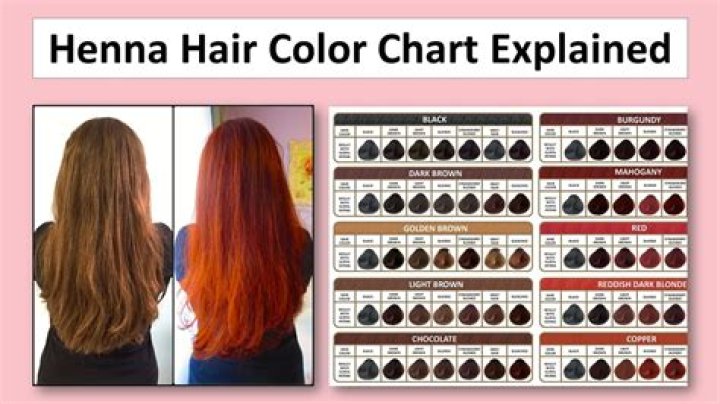
Henna hair color has become increasingly popular as more people seek natural alternatives to chemical-laden dyes. This plant-based hair treatment not only enhances the beauty of your hair but also offers numerous health benefits. Whether you're looking for vibrant red tones or simply want to cover gray hair naturally, henna provides an excellent solution.
In today's world, where synthetic hair products dominate the market, turning to henna is a refreshing choice. With its origins dating back thousands of years, henna remains one of the most trusted methods for achieving long-lasting color and improved hair health.
As we delve deeper into this article, you will learn everything you need to know about henna hair color, including its benefits, application process, and how it compares to other coloring methods. Let’s explore this ancient yet modern approach to hair care.
What is Henna Hair Color?
Henna hair color is derived from the Lawsonia inermis plant, native to North Africa, South Asia, and the Middle East. The dried leaves of the plant are ground into a fine powder, which is then mixed with water or other liquids to create a paste. This paste is applied to the hair and left to sit for several hours before being rinsed off, leaving behind a vibrant, natural color.
Origins of Henna
Henna has been used for centuries in traditional cultures for body art and hair dyeing. Its use can be traced back to ancient Egypt, where it was employed not only for aesthetic purposes but also for its cooling properties in hot climates. Today, henna continues to be celebrated for its ability to provide long-lasting color without harsh chemicals.
Benefits of Using Henna Hair Color
Using henna for hair coloring offers a variety of advantages over conventional chemical dyes. Below are some key benefits:
- Natural Ingredients: Henna is free from ammonia, peroxide, and other harmful chemicals found in synthetic dyes.
- Conditioning Properties: Henna acts as a natural conditioner, improving hair texture and reducing frizz.
- Strengthens Hair: Regular use of henna can strengthen hair strands and reduce breakage.
- Covers Gray Hair: Henna effectively covers gray hair, providing a natural-looking result.
- Long-Lasting Results: Unlike temporary dyes, henna delivers long-lasting color that fades gradually.
Types of Henna for Hair
Not all henna products are created equal. When choosing henna for hair coloring, it's essential to understand the different types available:
Pure Henna
Pure henna produces shades of red and orange. It is the most natural form of henna and is ideal for those seeking vibrant, warm tones.
Neutral Henna
Neutral henna does not alter the natural color of your hair but provides conditioning and strengthening benefits. It is an excellent option for maintaining hair health without changing its color.
Indigo Henna
Indigo henna is often combined with pure henna to achieve darker shades, such as brown or black. This combination allows for a wider range of color options while still being natural.
The Application Process
Applying henna hair color requires some preparation and patience. Follow these steps for optimal results:
Preparing the Paste
Mix the henna powder with water, lemon juice, or herbal tea to form a smooth paste. Allow the mixture to sit for several hours or overnight to activate the dyeing properties.
Applying the Paste
Section your hair and apply the henna paste evenly from roots to tips. Use gloves to prevent staining your hands and cover your hair with a plastic cap or towel to retain heat. Leave the paste on for 4-6 hours or overnight for deeper color penetration.
Rinsing and Aftercare
Rinse the henna paste thoroughly with water until the water runs clear. Avoid using shampoo immediately after application, as this can strip the color. Instead, condition your hair a few days later to maintain moisture.
Natural vs. Chemical Hair Color
When deciding between natural and chemical hair dyes, consider the following factors:
- Health Impact: Natural dyes like henna are safer for your hair and scalp, while chemical dyes may cause irritation or allergic reactions.
- Environmental Impact: Natural dyes are eco-friendly and biodegradable, whereas chemical dyes contribute to environmental pollution.
- Color Longevity: Both natural and chemical dyes offer long-lasting results, but natural dyes fade more gradually, reducing the need for frequent touch-ups.
Common Questions About Henna Hair Color
Does Henna Damage Hair?
No, henna does not damage hair. In fact, it improves hair health by strengthening strands and reducing frizz. However, improper application or using low-quality products can lead to unsatisfactory results.
Can Henna Be Used on Dyed Hair?
Yes, henna can be used on previously dyed hair. However, the resulting color may vary depending on the existing dye and henna type used.
How Long Does Henna Last?
Henna typically lasts 6-8 weeks before fading. The longevity depends on factors such as hair type, application method, and aftercare.
Tips for Best Results
To ensure the best outcome when using henna hair color, keep the following tips in mind:
- Perform a strand test to check for allergic reactions and assess the final color.
- Use high-quality, 100% pure henna powder for the best results.
- Avoid mixing henna with metallic salts or peroxide, as this can damage your hair.
- Moisturize your scalp before application to minimize staining.
Comparing Henna with Other Natural Dyes
While henna is a popular choice for natural hair coloring, other options like beetroot, coffee, and amla also exist. Each has its unique benefits and limitations:
Beetroot
Beetroot provides subtle red tones and is ideal for enhancing natural red highlights. However, the color is not as long-lasting as henna.
Coffee
Coffee can darken hair temporarily, offering a natural alternative for achieving deeper brown shades. Like beetroot, it requires frequent applications to maintain the desired effect.
Amla
Amla powder is known for its conditioning properties and can slightly darken hair over time. It is often combined with henna for enhanced results.
Precautions and Side Effects
Although henna is generally safe, there are a few precautions to take:
- Always perform a patch test before applying henna to your entire head.
- Ensure the henna powder is 100% pure and free from additives.
- Be aware that henna can stain skin and clothing, so take necessary precautions during application.
Potential side effects include skin irritation or allergic reactions, though these are rare with pure henna. If you experience any adverse effects, discontinue use and consult a dermatologist.
Conclusion
Henna hair color offers a natural, effective, and safe alternative to chemical dyes. With its numerous benefits, including improved hair health and long-lasting color, henna is an excellent choice for anyone looking to enhance their hair's natural beauty. By following proper application techniques and taking necessary precautions, you can achieve stunning results with henna.
We encourage you to share your experiences with henna hair color in the comments below. Additionally, feel free to explore other articles on our site for more tips and insights into natural beauty and wellness. Together, let's embrace a healthier approach to hair care!
Data Source: National Center for Biotechnology Information, World Health Organization


