
History of Queen Elizabeth: A Comprehensive Journey Through Her Reign and Legacy
By Sophia Edwards
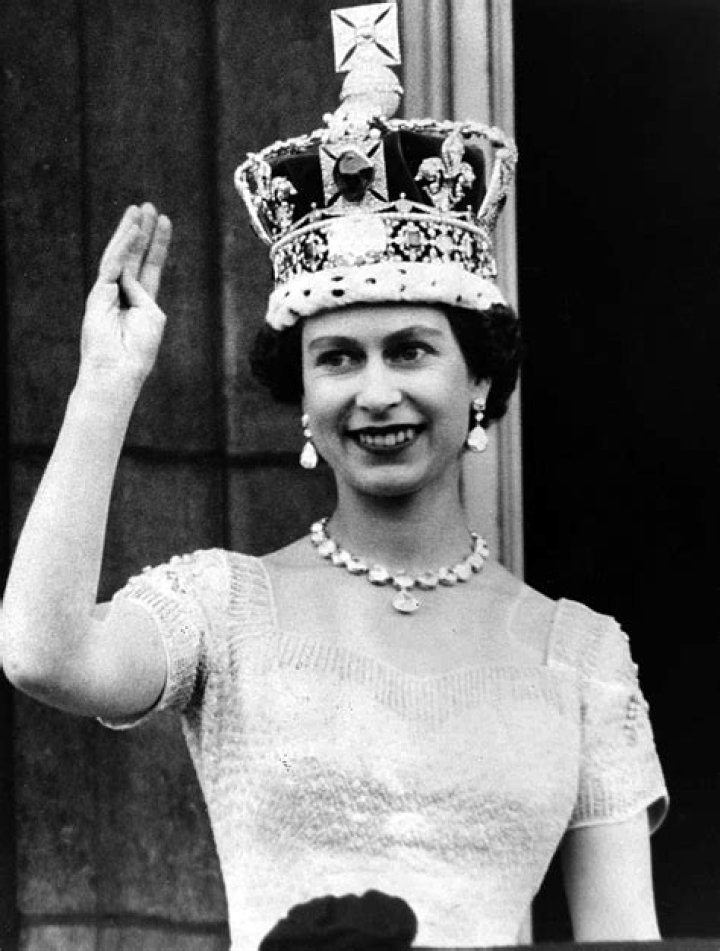
The history of Queen Elizabeth II is a fascinating tale of resilience, leadership, and dedication to duty. As the longest-serving monarch in British history, her life and reign have been marked by significant milestones and transformations. From her early years to her role as the head of the Commonwealth, Queen Elizabeth II has left an indelible mark on the world stage.
Throughout her life, Queen Elizabeth II has been a symbol of continuity and stability in an ever-changing world. Her reign, spanning over seven decades, has witnessed numerous global events, technological advancements, and cultural shifts. As we delve into the history of Queen Elizabeth II, we will explore the key moments that have shaped her life and legacy.
This article aims to provide a comprehensive overview of Queen Elizabeth's life, her contributions to the monarchy, and her impact on the world. By examining her early years, her ascension to the throne, and her enduring influence, we can gain a deeper understanding of her role as a global leader and her lasting legacy.
Biography of Queen Elizabeth II
Early Life and Background
Queen Elizabeth II was born on April 21, 1926, in London, England, as Princess Elizabeth Alexandra Mary. She was the first child of King George VI and Queen Elizabeth, the Queen Mother. Her early life was relatively sheltered, and she received a private education at home. However, her life took a significant turn when her father ascended to the throne in 1936, following the abdication of her uncle, King Edward VIII.
Biographical Data:
| Full Name | Elizabeth Alexandra Mary |
|---|---|
| Date of Birth | April 21, 1926 |
| Place of Birth | London, England |
| Parents | King George VI and Queen Elizabeth |
| Spouse | Prince Philip, Duke of Edinburgh |
Early Life and Education
Queen Elizabeth's early life was shaped by her royal upbringing. She was educated privately at home, receiving lessons in history, language, and music. Her education was designed to prepare her for her future role as monarch. During World War II, she joined the Auxiliary Territorial Service, where she learned to drive and maintain military vehicles. This experience helped shape her leadership qualities and instilled a sense of duty and responsibility.
Ascension to the Throne
Queen Elizabeth II ascended to the throne on February 6, 1952, following the death of her father, King George VI. Her coronation took place on June 2, 1953, at Westminster Abbey. The ceremony was broadcast on television, marking a significant moment in the history of media and royal events. Her reign began during a period of post-war recovery and decolonization, setting the stage for a new era of British history.
Key Events During Her Reign
Major Milestones
The history of Queen Elizabeth II is marked by numerous significant events. Some of the key milestones include:
- Coronation in 1953
- Establishment of the Commonwealth
- Visit to the United States in 1957
- Golden Jubilee in 2002
- Diamond Jubilee in 2012
Challenges Faced During Her Reign
Throughout her reign, Queen Elizabeth II faced various challenges, including political upheavals, family scandals, and public scrutiny. The 1990s were particularly difficult, often referred to as her "annus horribilis," due to the divorces of her children and the tragic death of Princess Diana. Despite these challenges, she maintained her composure and continued to serve as a stabilizing force for the monarchy.
Legacy of Queen Elizabeth II
The legacy of Queen Elizabeth II is one of dedication, service, and adaptability. She has witnessed and participated in some of the most significant events of the 20th and 21st centuries. Her commitment to the Commonwealth, her role in promoting international relations, and her unwavering support for charitable causes have cemented her place in history as one of the most influential monarchs of all time.
Family Life and Personal Relationships
Queen Elizabeth II married Prince Philip, Duke of Edinburgh, in 1947. Together, they had four children: Charles, Anne, Andrew, and Edward. Her family life was often in the public eye, with both successes and challenges. Despite the pressures of royal life, she maintained a close-knit family and continued to support her children and grandchildren in their respective roles.
Role in the Commonwealth
Leadership and Influence
Queen Elizabeth II played a pivotal role in the development and growth of the Commonwealth. Her dedication to fostering relationships between member nations has strengthened the organization's global influence. Through her speeches and visits, she has emphasized the importance of unity, cooperation, and shared values among Commonwealth nations.
Philanthropy and Charitable Work
Throughout her reign, Queen Elizabeth II has been involved in numerous charitable endeavors. She has supported organizations focused on education, healthcare, and environmental conservation. Her patronage of over 600 charities and organizations highlights her commitment to making a positive impact on society.
Conclusion and Reflection
In conclusion, the history of Queen Elizabeth II is a testament to her enduring legacy as a global leader and a symbol of stability. Her reign, marked by significant achievements and challenges, has shaped the modern monarchy and its role in the world. As we reflect on her contributions, we are reminded of the importance of leadership, service, and resilience.
We invite you to share your thoughts and insights in the comments section below. Additionally, please explore our other articles for more fascinating stories and historical insights. Together, let us celebrate the remarkable life and legacy of Queen Elizabeth II.
Data and information in this article are sourced from reputable historical records and publications, including the official website of the British Monarchy and authoritative biographies.


