
How Do You Cook with Verdolaga: A Comprehensive Guide to Exploring This Nutritious Ingredient
By Andrew Thornton
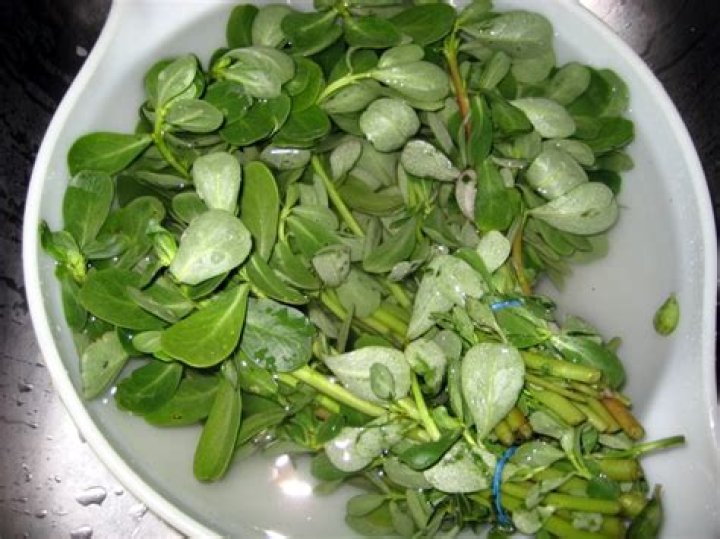
Verdolaga, also known as purslane, is a versatile and nutritious plant that has been used in various cuisines around the world for centuries. Its unique flavor and health benefits make it an excellent addition to any kitchen. Whether you're a seasoned chef or a home cook looking to experiment with new ingredients, learning how to cook with verdolaga can open up a world of culinary possibilities.
Verdolaga is often overlooked in Western kitchens, but its popularity is growing as more people discover its nutritional value and delicious taste. This plant is packed with omega-3 fatty acids, vitamins, and minerals, making it a superfood that can enhance both the flavor and healthfulness of your meals.
In this article, we will explore how to cook with verdolaga, from understanding its origins and nutritional benefits to providing practical tips and recipes. By the end, you'll have a solid understanding of how to incorporate this incredible ingredient into your cooking repertoire.
What Is Verdolaga?
Verdolaga, scientifically known as Portulaca oleracea, is a leafy green vegetable that is native to parts of Asia and Africa. It has since spread to various regions around the world, becoming a staple in Mediterranean, Middle Eastern, and Mexican cuisines. Verdolaga is often considered a weed in some areas due to its hardy nature and ability to thrive in diverse climates.
Origins and History
The history of verdolaga dates back thousands of years. Ancient civilizations, such as the Egyptians and Greeks, recognized its nutritional value and included it in their diets. Verdolaga was also mentioned in ancient texts for its medicinal properties, which were believed to help with digestive issues and inflammation.
Nutritional Benefits of Verdolaga
Verdolaga is not only delicious but also incredibly nutritious. It is rich in essential nutrients that can contribute to a healthy diet. Below are some of the key nutritional benefits:
- Omega-3 Fatty Acids: Verdolaga is one of the few plants that contain significant amounts of omega-3 fatty acids, which are crucial for heart health.
- Vitamin C: This vitamin supports the immune system and helps the body absorb iron from plant-based foods.
- Vitamin A: Essential for maintaining healthy vision and skin.
- Potassium: Important for regulating blood pressure and supporting muscle function.
- Magnesium: Plays a role in over 300 biochemical reactions in the body, including energy production and protein synthesis.
These nutrients make verdolaga an excellent choice for those looking to enhance their diet with nutrient-dense foods.
How to Select Fresh Verdolaga
When shopping for verdolaga, it's important to know what to look for to ensure you're getting the freshest and highest quality product. Here are some tips:
- Choose verdolaga with vibrant green leaves and no signs of wilting or yellowing.
- Look for firm stems that are not overly thick, as this indicates freshness.
- Avoid bunches with any signs of mold or damage, as these can affect the taste and quality of the plant.
By selecting the right verdolaga, you can ensure that your dishes will have the best flavor and texture.
Storage Tips for Verdolaga
Proper storage is key to preserving the freshness and quality of verdolaga. Here are some storage tips to keep in mind:
- Store verdolaga in the refrigerator, ideally in a plastic bag or container to maintain humidity.
- It is best consumed within a few days of purchase, as it tends to lose its freshness quickly.
- If you need to store it for longer, consider freezing it after blanching to preserve its nutrients.
By following these storage tips, you can extend the shelf life of your verdolaga and enjoy it in your cooking for longer.
Preparation Methods for Verdolaga
Preparing verdolaga is simple and can vary depending on how you plan to use it in your dishes. Here are some common preparation methods:
Cleaning Verdolaga
Before using verdolaga, it's important to clean it thoroughly to remove any dirt or debris. Rinse the leaves and stems under cold running water, gently shaking off excess water afterward.
Chopping Verdolaga
Depending on the recipe, you may need to chop the verdolaga into smaller pieces. Use a sharp knife to cut the stems and leaves into bite-sized pieces, ensuring even cooking.
These preparation methods ensure that your verdolaga is ready to be used in a variety of dishes, from salads to stir-fries.
Culinary Uses of Verdolaga
Verdolaga is incredibly versatile and can be used in a wide range of dishes. Below are some common culinary uses:
- Salads: Add fresh verdolaga to salads for a tangy and refreshing flavor.
- Soups: Use verdolaga as a nutritious addition to soups and stews, where it can add both flavor and texture.
- Stir-Fries: Incorporate verdolaga into stir-fries for a quick and healthy meal option.
- Wraps and Sandwiches: Use verdolaga as a leafy green in wraps and sandwiches for added crunch and nutrition.
These culinary uses highlight the flexibility of verdolaga in various cooking styles and cuisines.
Delicious Recipes Featuring Verdolaga
Here are a few recipes that showcase the versatility and deliciousness of verdolaga:
Verdolaga Salad
This simple yet flavorful salad is a great way to enjoy the fresh taste of verdolaga.
- Ingredients: Fresh verdolaga leaves, cherry tomatoes, cucumber, feta cheese, olive oil, lemon juice, salt, and pepper.
- Instructions: Toss the verdolaga leaves with sliced cherry tomatoes and cucumber. Add crumbled feta cheese and drizzle with olive oil and lemon juice. Season with salt and pepper to taste.
Verdolaga Soup
This comforting soup is perfect for a cold day and packed with nutrients.
- Ingredients: Verdolaga, chicken or vegetable broth, onion, garlic, olive oil, and spices.
- Instructions: Sauté chopped onion and garlic in olive oil until soft. Add the broth and bring to a boil. Stir in the verdolaga and simmer until tender. Season with your choice of spices.
Substitute Options for Verdolaga
If you're unable to find verdolaga, there are a few substitute options you can consider:
- Spinach: While not identical, spinach can provide a similar texture and nutritional profile.
- Watercress: This leafy green has a peppery flavor that can complement many dishes.
- Arugula: Known for its slightly bitter taste, arugula can add a unique flavor to salads and sandwiches.
These substitutes can help you achieve similar results in your cooking when verdolaga is not available.
Cooking Tips for Verdolaga
To get the most out of cooking with verdolaga, here are some helpful tips:
- Cook verdolaga quickly to preserve its nutrients and flavor.
- Add it toward the end of cooking to maintain its texture and color.
- Experiment with different cuisines to discover new ways to incorporate verdolaga into your meals.
By following these tips, you can enhance your cooking experience and create delicious dishes featuring verdolaga.
Conclusion
Cooking with verdolaga offers a world of possibilities in the kitchen. Its rich nutritional profile and versatile nature make it a valuable ingredient for any cook. By understanding its origins, nutritional benefits, and culinary uses, you can confidently incorporate verdolaga into your meals.
We encourage you to try out the recipes provided and explore the many ways to use verdolaga in your cooking. Don't forget to share your experiences and creations with others. Feel free to leave a comment or share this article with friends and family who might be interested in learning more about this incredible plant.


