
How Long Do Boiled Eggs Last in the Fridge: A Comprehensive Guide
By Michael Gray
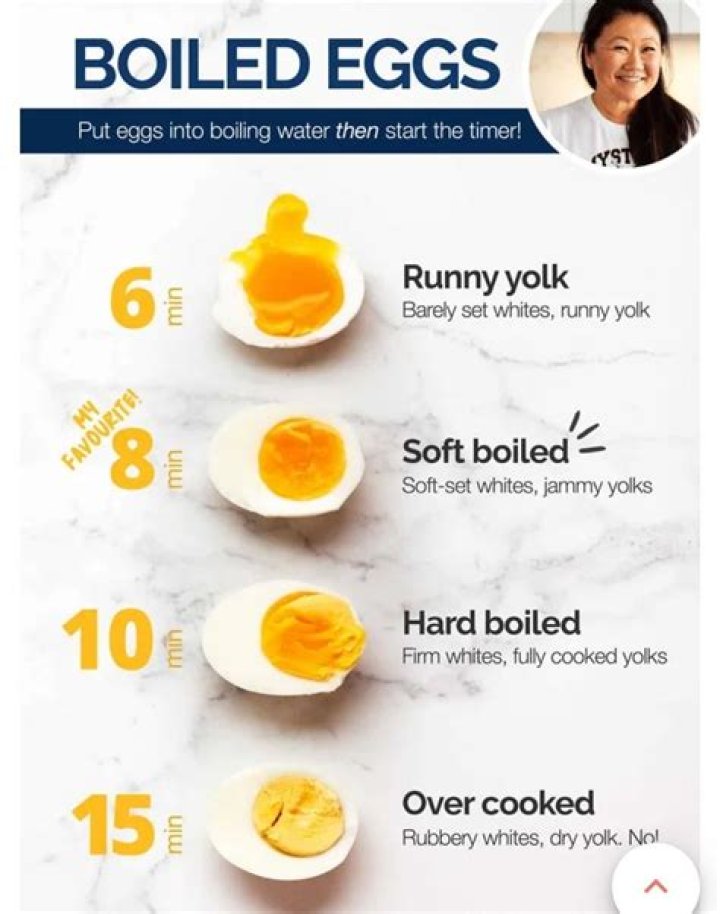
Boiled eggs are a convenient, nutritious, and versatile food option that can be stored in the fridge for later use. But how long do boiled eggs last in the fridge before they go bad? Understanding the proper storage techniques and shelf life of boiled eggs is essential to ensure food safety and avoid unnecessary waste. In this article, we will delve into the topic and provide you with all the necessary information to keep your boiled eggs fresh and safe to eat.
Whether you're preparing boiled eggs for breakfast, a quick snack, or a salad topping, knowing how long they can stay fresh in the fridge will help you plan your meals better. This guide will cover everything from storage tips to signs of spoilage, ensuring you make the most out of your boiled eggs.
By the end of this article, you'll have a clear understanding of the shelf life of boiled eggs, how to store them properly, and how to identify when they're no longer safe to eat. Let's dive in!
How Long Do Boiled Eggs Last in the Fridge?
Boiled eggs can last in the fridge for about one week when stored properly. However, the exact duration may vary depending on factors such as the initial freshness of the eggs, storage conditions, and how they were boiled. It's important to note that the USDA recommends consuming boiled eggs within this timeframe to ensure their quality and safety.
While boiled eggs can technically last longer in the fridge, their texture and flavor may start to deteriorate after a week. Additionally, the risk of bacterial growth increases over time, which can lead to foodborne illnesses if consumed.
Factors Affecting the Shelf Life of Boiled Eggs
- Initial Freshness: Freshly laid eggs tend to have a longer shelf life compared to older eggs.
- Storage Temperature: Maintaining a consistent fridge temperature of 40°F (4°C) or below is crucial for preserving boiled eggs.
- Humidity Levels: High humidity can cause moisture to accumulate on the eggshells, creating a favorable environment for bacteria.
Proper Storage Techniques for Boiled Eggs
Storing boiled eggs correctly is key to extending their shelf life and maintaining their quality. Follow these tips to ensure your boiled eggs stay fresh:
1. Keep Them in the Original Carton: Storing boiled eggs in their original carton helps protect them from absorbing odors and flavors from other foods in the fridge.
2. Place Them on the Middle Shelf: Avoid storing boiled eggs in the fridge door, as the temperature fluctuates more in this area. Instead, place them on a shelf where the temperature remains consistent.
3. Label the Container: If you transfer boiled eggs to a different container, label it with the date they were boiled to keep track of their freshness.
Should You Peel Boiled Eggs Before Storing?
It's generally better to store boiled eggs unpeeled. The shell provides an extra layer of protection against contamination and helps the eggs retain moisture. However, if you prefer to peel them in advance, store them in an airtight container submerged in cold water to prevent drying out.
How to Tell If Boiled Eggs Are Still Fresh
Even with proper storage, it's essential to check boiled eggs for freshness before consuming them. Here are some signs to look out for:
- Smell: Fresh boiled eggs should have a mild, neutral odor. A strong, sulfuric smell indicates spoilage.
- Appearance: Check for any visible signs of mold or discoloration on the eggshell or yolk.
- Texture: If the egg feels slimy or sticky, it may be contaminated with bacteria.
The Float Test for Boiled Eggs
The float test is a simple way to determine the freshness of boiled eggs. Place the egg in a bowl of cold water:
- If it sinks to the bottom and lays flat, it's still fresh.
- If it stands upright but remains on the bottom, it's still edible but may not be as fresh.
- If it floats to the surface, it's best to discard it.
Food Safety Tips for Boiled Eggs
Food safety should always be a priority when handling boiled eggs. Here are some tips to keep in mind:
1. Cook Eggs Thoroughly: Boil eggs for at least 9-12 minutes to ensure they reach a safe internal temperature.
2. Cool Quickly: After boiling, transfer the eggs to an ice bath or run them under cold water to stop the cooking process and cool them down quickly.
3. Refrigerate Promptly: Store boiled eggs in the fridge within two hours of cooking to prevent bacterial growth.
Common Mistakes to Avoid
Avoid leaving boiled eggs at room temperature for more than two hours, as this can increase the risk of bacterial contamination. Additionally, refrain from freezing boiled eggs, as the texture and quality will be significantly affected.
Different Types of Boiled Eggs and Their Shelf Life
The shelf life of boiled eggs can vary depending on how they are prepared:
Soft-Boiled Eggs
Soft-boiled eggs have a runny yolk and may not last as long as hard-boiled eggs due to their higher moisture content. They should be consumed within three to four days when stored in the fridge.
Hard-Boiled Eggs
Hard-boiled eggs, with fully cooked yolks, can last up to seven days in the fridge when stored properly. Their lower moisture content makes them less susceptible to spoilage.
Frequently Asked Questions About Boiled Eggs
Can You Freeze Boiled Eggs?
While you can technically freeze boiled eggs, it's not recommended. The texture of the egg whites becomes rubbery, and the yolk can become dry and crumbly after freezing and thawing.
What Happens If You Eat Spoiled Boiled Eggs?
Eating spoiled boiled eggs can lead to foodborne illnesses such as salmonella poisoning. Symptoms may include nausea, vomiting, diarrhea, and fever. If you suspect you've consumed spoiled eggs, seek medical attention if necessary.
Nutritional Benefits of Boiled Eggs
Boiled eggs are not only delicious but also packed with nutrients. They are an excellent source of high-quality protein, vitamins, and minerals. Here are some key nutritional benefits:
- Protein: Boiled eggs provide about 6 grams of protein per egg, making them a great option for muscle repair and growth.
- Vitamins: They are rich in vitamins A, D, and B12, which support immune function, bone health, and energy production.
- Minerals: Boiled eggs contain essential minerals like iron, zinc, and selenium, which play vital roles in various bodily functions.
Delicious Recipes Using Boiled Eggs
Boiled eggs can be incorporated into a variety of dishes. Here are a few recipe ideas:
- Classic Egg Salad: Combine chopped boiled eggs with mayonnaise, mustard, and seasoning for a tasty sandwich filling.
- Nicoise Salad: Add boiled eggs to a bed of mixed greens, tuna, olives, and tomatoes for a Mediterranean-inspired dish.
- Deviled Eggs: Mix boiled egg yolks with mayonnaise, mustard, and spices, then pipe the mixture back into the egg whites for a party favorite.
Boiled Eggs Consumption Statistics
Boiled eggs are a popular food choice worldwide. According to the USDA, Americans consume approximately 279 eggs per person annually, with boiled eggs being one of the most common preparations. The global egg market is projected to reach $180 billion by 2025, driven by increasing demand for convenient and nutritious food options.
Conclusion
In summary, boiled eggs can last in the fridge for about one week when stored properly. By following the storage tips and food safety guidelines outlined in this article, you can ensure your boiled eggs remain fresh and safe to eat. Remember to check for signs of spoilage before consuming them and enjoy the many delicious recipes that feature boiled eggs.
We encourage you to share this article with your friends and family or leave a comment below with your favorite boiled egg recipes. For more informative content on food storage and nutrition, explore our other articles on the site.