
How Long Do Hard Boiled Eggs Last? A Comprehensive Guide to Their Expiration
By Sarah Rowe
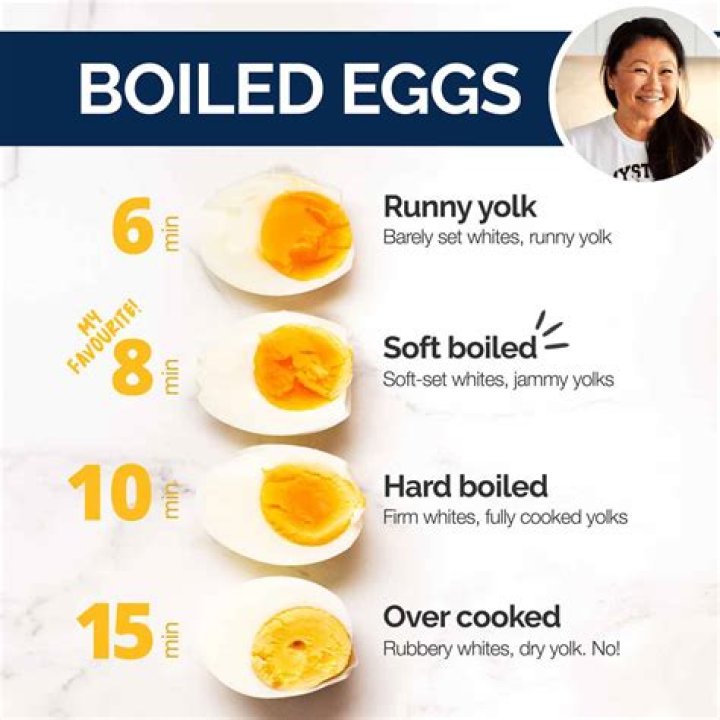
Hard boiled eggs are a nutritious and versatile food choice, but understanding their shelf life is crucial for safety and quality. Many people wonder how long they last and whether they can still be consumed after a certain period. This guide will provide you with all the essential information you need to know about the expiration of hard boiled eggs, helping you make informed decisions for your health and well-being.
Whether you're a busy professional or a stay-at-home parent, having a ready supply of hard boiled eggs in your fridge can be a lifesaver. However, it's important to recognize the importance of food safety when consuming these eggs. This article will address the shelf life of hard boiled eggs, factors that affect their expiration, and tips for storing them properly.
By the end of this article, you'll have a better understanding of how to ensure the freshness and safety of your hard boiled eggs. Let’s dive in and explore the world of hard boiled eggs, ensuring you make the most out of this delicious and nutritious food.
Shelf Life of Hard Boiled Eggs
One of the most common questions about hard boiled eggs is how long they last. According to the USDA, hard boiled eggs can last in the refrigerator for up to one week. This timeframe applies to eggs that have been properly stored in their shells or peeled and placed in an airtight container.
It's important to note that hard boiled eggs do not last as long as raw eggs. The boiling process can cause the protective coating on the eggshell to wear off, making them more susceptible to contamination. Therefore, it's crucial to consume them within the recommended timeframe to avoid any health risks.
Factors Influencing Shelf Life
- Storage temperature: Eggs stored in a refrigerator set at 40°F (4°C) or below will last longer.
- Peeling: Unpeeled hard boiled eggs tend to last longer than peeled ones.
- Container: Using an airtight container can help preserve the freshness of peeled hard boiled eggs.
Storage Tips for Hard Boiled Eggs
Proper storage is key to extending the shelf life of hard boiled eggs. Here are some tips to help you store them safely:
- Always store hard boiled eggs in the refrigerator at a consistent temperature below 40°F (4°C).
- If you've peeled the eggs, place them in an airtight container to prevent them from absorbing odors from other foods in the fridge.
- Do not store hard boiled eggs in the fridge door, as the temperature fluctuates more in this area.
By following these simple guidelines, you can ensure that your hard boiled eggs remain fresh and safe to eat for as long as possible.
Signs of Spoilage in Hard Boiled Eggs
Knowing how to identify spoiled hard boiled eggs is essential for food safety. Here are some signs to look out for:
- Smell: A spoiled egg will emit a strong, sulfur-like odor when cracked open.
- Appearance: Discoloration or a slimy film on the egg white or yolk can indicate spoilage.
- Texture: If the egg feels mushy or has an unusual texture, it may be spoiled.
If you notice any of these signs, it's best to discard the egg to avoid any potential health risks.
Health Risks Associated with Consuming Spoiled Eggs
Consuming spoiled hard boiled eggs can lead to foodborne illnesses such as salmonella. Symptoms of salmonella poisoning include nausea, vomiting, diarrhea, and fever. In severe cases, it can lead to dehydration and require medical attention.
To minimize the risk of foodborne illnesses, always check the expiration date and inspect the eggs for signs of spoilage before consuming them.
Factors Affecting the Shelf Life of Hard Boiled Eggs
Several factors can influence how long hard boiled eggs last:
1. Egg Quality
Fresh eggs tend to last longer than older ones. Always purchase eggs with a recent packing date to ensure maximum freshness.
2. Cooking Method
The way you boil the eggs can also affect their shelf life. Overcooking can cause the protective coating on the shell to wear off faster, making the eggs more prone to contamination.
3. Environmental Conditions
Temperature and humidity levels in your refrigerator can impact the shelf life of hard boiled eggs. Ensure your fridge is set to the correct temperature and avoid exposing the eggs to warm environments.
How to Check the Freshness of Hard Boiled Eggs
There are several methods to check the freshness of hard boiled eggs:
- The Float Test: Place the egg in a bowl of cold water. If it sinks to the bottom and lies flat, it's fresh. If it stands upright or floats, it's likely old and should be discarded.
- Crack and Smell: Crack the egg open and smell it. A fresh egg will have a mild aroma, while a spoiled one will have a strong, unpleasant odor.
Regularly checking the freshness of your hard boiled eggs can help you avoid consuming spoiled food.
Can You Freeze Hard Boiled Eggs?
Freezing hard boiled eggs is not recommended, as the freezing process can alter their texture and make them less appetizing. However, if you must freeze them, it's best to remove the yolks and freeze only the whites. This can help preserve their texture and flavor.
When freezing hard boiled eggs, follow these steps:
- Separate the yolks from the whites.
- Place the whites in an airtight container or freezer-safe bag.
- Label the container with the date and use within three months for best results.
Long-Term Storage Options for Hard Boiled Eggs
For long-term storage, consider pickling hard boiled eggs. Pickled eggs can last for several weeks in the refrigerator and several months in the pantry if properly canned. This method not only extends their shelf life but also adds a unique flavor to your eggs.
To pickle hard boiled eggs, follow these steps:
- Boil and peel the eggs.
- Prepare a pickling solution using vinegar, water, sugar, and spices.
- Place the eggs in a jar and cover them with the pickling solution.
- Seal the jar and store it in the refrigerator for at least 24 hours before consuming.
Nutritional Benefits of Hard Boiled Eggs
Hard boiled eggs are not only delicious but also packed with nutrients. They are an excellent source of protein, vitamins, and minerals, making them a healthy addition to your diet. Some of the key nutritional benefits include:
- Protein: Hard boiled eggs are a great source of high-quality protein, which is essential for muscle growth and repair.
- Vitamins: They are rich in vitamins A, D, and B12, which support immune function and bone health.
- Minerals: Eggs contain minerals like selenium and zinc, which are important for overall health.
Incorporating hard boiled eggs into your diet can provide numerous health benefits while ensuring you enjoy a tasty and convenient snack.
Conclusion
Understanding the expiration of hard boiled eggs is essential for maintaining food safety and ensuring you enjoy their nutritional benefits. By following proper storage techniques, recognizing signs of spoilage, and being aware of the factors that affect shelf life, you can extend the usability of your hard boiled eggs.
We encourage you to share this article with friends and family to help them learn more about the shelf life of hard boiled eggs. If you have any questions or additional tips, feel free to leave a comment below. Stay informed and make the most out of this nutritious and versatile food!
References:
- USDA Food Safety and Inspection Service. (2023). "Storage Times for Refrigerator and Freezer."
- World Health Organization. (2022). "Food Safety and Foodborne Illnesses."
- Harvard T.H. Chan School of Public Health. (2022). "Eggs and Health."

![Decoding Movie Rules: Understanding & Enjoying Films | [Movierulz] & Beyond](https://silver.isevcloud.co.uk/uploads/3-movierulz-brings-the-latest-hollywood-movierulz-news-3movierulz-also-brings-movie-news-tv-news-trailers-reviews-movierulz-articles-in-south-ind-movies-are-more-than-just-a-form-of-entertainment-they-are-a-reflection-of-culture-storytelling-and-human-emotions-understanding-the-rules-that-govern-films-can-enhance-your-viewing-experience-and-provide-deeper-insights-into-the-narratives-presented-in-this-article-we-will-explore-the-five-essential-movie-rules-that-every-cinephile-should-know-before-movierulz-2025-latest-hd-telugu-kannada-tamil-south-indian-movies-web-series-shows-kdramas-watch-at-high-quality-on-movierulz-tv-this-page-is-intended-to-document-significant-changes-to-the-movie-rules-over-the-course-of-the-site-u2019s-history-this-is-far-from-a-complete-list-with-emphasis-being-placed-on-more-recent-rule-changes-standard-goals-based-on-di-u2026-understanding-movierules-is-essential-for-filmmakers-producers-and-even-audiences-these-regulations-impact-everything-from-the-production-phase-to-distribution-and-viewership-by-adhering-to-these-rules-filmmakers-can-navigate-the-complex-landscape-of-content-creation-ensuring-their-work-is-both-legally-compliant-and-culturally-sensitive-movie-show-times-schedules-and-tickets-in-los-angeles-long-beach-anaheim-santa-ana-irvine-burbank-lakewood-santa-monica-fountain-valley-orange-pasadena-ca-when-it-comes-to-enjoying-films-understanding-the-core-principles-that-govern-cinematic-storytelling-can-elevate-your-viewing-experience-significantly-the-5-movie-rules-com-framework-offers-a-set-of-guidelines-designed-to-help-both-filmmakers-and-audiences-appreciate-the-intricacies-of-modern-cinema-in-this-article-we-will-explore-these-five-essential-rules-and-this-combination-of-comfort-variety-and-free-access-makes-movierulz-profoundly-attractive-especially-for-viewers-on-a-tight-budget-the-dark-side-of-piracy-we-would-like-to-show-you-a-description-here-but-the-site-won-u2019t-allow-us-movierulz-com-movierulz-latest-bollywood-and-hollywood-movies-watch-online-full-free-movierulz-is-wide-range-collection-of-telugu-movies-tamil-malayalam-bengali-kannada-movierulz-movierulz-provide-a-wide-range-of-telugu-movies-tamil-malayalam-and-hindi-movies-watch-full-telugu-movies-online-anytime-anywhere-on-zee5-also-explore-41-telugu-movies-online-in-full-hd-from-our-latest-telugu-movies-collection-movies-are-more-than-just-a-form-of-entertainment-they-are-a-reflection-of-culture-storytelling-and-human-emotions-understanding-the-rules-that-govern-films-can-enhance-your-viewing-experience-and-provide-deeper-insights-into-the-narratives-presented-in-this-article-we-will-explore-the-five-essential-movie-rules-that-every-cinephile-should-know-before-movierulz-latest-featured-telugu-movies-watch-online-download-full-free-collection-of-bollywood-movies-tamil-malayalam-dubbed-kannada-5movierulz-movierulz-is-a-piracy-website-that-leaks-the-tamil-telugu-kannada-hindi-movies-and-allows-users-to-download-movies-in-free-check-out-the-latest-news-and-updates-on-meta-movierulz-here-enjoy-watching-new-telugu-movies-release-of-2025-experience-the-latest-and-new-south-indian-movies-on-your-mobile-device_720.jpg)

