
How Many Pistachios Can a Dog Eat: A Comprehensive Guide for Pet Owners
By William Brown
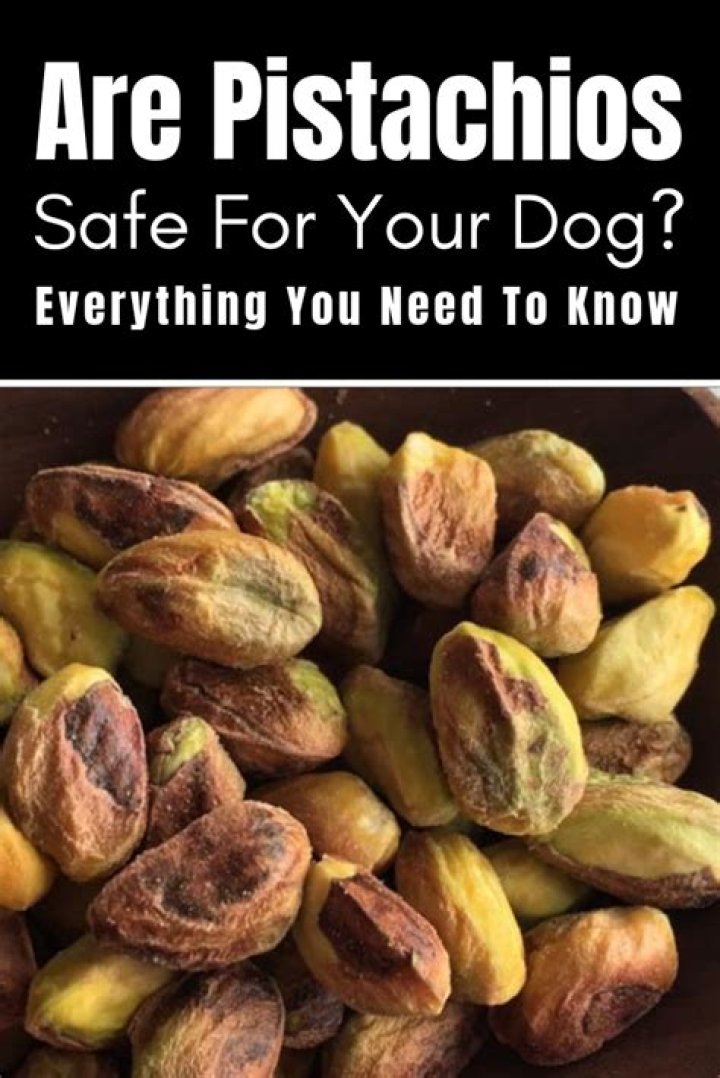
Pistachios are a popular snack for humans, but can they be safely shared with our furry friends? If you're a dog owner wondering how many pistachios your dog can eat, it's essential to understand the risks and benefits involved. This article will provide you with detailed insights into feeding pistachios to your dog, ensuring their health and safety.
As pet owners, we always want the best for our beloved companions. However, when it comes to sharing human food with dogs, it's crucial to be cautious. While some foods are safe in moderation, others can pose serious health risks. Pistachios fall into a category that requires careful consideration.
By the end of this article, you'll have a clear understanding of whether pistachios are safe for dogs, how many they can consume, and the potential risks associated with feeding them this nut. Let's dive in!
Can Dogs Eat Pistachios?
Pistachios are not inherently toxic to dogs, but they are not recommended as a regular treat. While a small amount may not harm most dogs, there are several factors to consider before offering this nut to your pet. Pistachios are high in fat, which can lead to digestive issues and even pancreatitis in dogs.
Why Are Pistachios Risky for Dogs?
Pistachios contain high levels of fat and sodium, which can be problematic for dogs. Additionally, the hard shell poses a choking hazard, and the nut itself can cause gastrointestinal blockages if consumed in large quantities.
Some key reasons why pistachios are risky for dogs include:
- High fat content leading to pancreatitis
- Choking hazard from the shell
- Potential for gastrointestinal blockages
Risks of Pistachios for Dogs
While pistachios may seem like a harmless snack, they carry several risks that could jeopardize your dog's health. Understanding these risks is crucial for responsible pet ownership.
Pancreatitis: A Serious Concern
Pancreatitis is a condition where the pancreas becomes inflamed, often due to high-fat diets. Feeding your dog pistachios regularly or in large quantities can increase the risk of developing pancreatitis, which can be life-threatening if not treated promptly.
Choking and Blockages
The shells of pistachios are hard and can easily become lodged in your dog's throat or digestive tract. This can lead to choking or blockages, requiring immediate veterinary intervention.
How Many Pistachios Can a Dog Eat?
If you're determined to share pistachios with your dog, moderation is key. A small amount, such as one or two unsalted, shell-free pistachios, may not cause harm to most dogs. However, it's essential to monitor your pet closely for any adverse reactions.
Factors to Consider
Several factors determine how many pistachios your dog can safely consume, including:
- Your dog's size and weight
- Pre-existing health conditions
- Your dog's sensitivity to high-fat foods
Consulting with your veterinarian is always the best course of action before introducing any new food to your dog's diet.
Signs of Pistachio Toxicity in Dogs
If your dog accidentally consumes a large number of pistachios, it's important to recognize the signs of toxicity. Early intervention can prevent serious health complications.
Common Symptoms
Some common symptoms of pistachio toxicity in dogs include:
- Vomiting
- Diarrhea
- Loss of appetite
- Abdominal pain
- Difficulty breathing
If your dog exhibits any of these symptoms, contact your veterinarian immediately.
Healthy Alternatives to Pistachios for Dogs
While pistachios may not be the best choice for dogs, there are plenty of safe and nutritious alternatives you can offer as treats. These options are not only healthier but also less risky for your pet.
Safe Snacks for Dogs
Some safe and healthy snacks for dogs include:
- Carrots
- Blueberries
- Pumpkin
- Plain yogurt
- Green beans
These snacks are low in fat and high in essential nutrients, making them ideal for treating your dog.
Nutritional Value of Pistachios for Dogs
Pistachios are rich in nutrients like protein, fiber, and healthy fats. However, these benefits come with risks for dogs due to their high fat content. Understanding the nutritional value of pistachios can help you make informed decisions about your dog's diet.
Key Nutrients in Pistachios
Pistachios contain several important nutrients, including:
- Protein
- Fiber
- Vitamin B6
- Potassium
- Magnesium
While these nutrients are beneficial for humans, they may not provide the same advantages for dogs due to their unique dietary needs.
Feeding Guidelines for Dogs
If you decide to feed pistachios to your dog, following these guidelines can help minimize the risks:
Tips for Safe Feeding
- Remove the shells before offering pistachios to your dog.
- Choose unsalted pistachios to avoid excessive sodium intake.
- Limit the quantity to one or two pistachios at most.
- Monitor your dog for any adverse reactions after consumption.
Always prioritize your dog's health and safety by consulting your veterinarian before introducing new foods.
Frequently Asked Questions
Can I Feed My Dog Roasted Pistachios?
No, roasted pistachios are not recommended for dogs. They often contain added oils, salts, and seasonings that can be harmful to your pet.
What Should I Do If My Dog Eats Too Many Pistachios?
If your dog consumes a large quantity of pistachios, contact your veterinarian immediately. Watch for signs of toxicity and seek professional advice to ensure your dog's safety.
Are Salted Pistachios Safe for Dogs?
Salted pistachios are not safe for dogs due to their high sodium content. Excessive sodium intake can lead to sodium ion poisoning, which is a serious condition requiring immediate medical attention.
Conclusion
In conclusion, while pistachios are not toxic to dogs, they pose several risks that make them unsuitable as a regular treat. High fat content, choking hazards, and potential for gastrointestinal issues are just a few reasons to exercise caution when feeding pistachios to your dog.
Always prioritize your dog's health by consulting your veterinarian before introducing any new food into their diet. For safer alternatives, consider offering fruits and vegetables that are known to be safe for dogs.
We encourage you to share this article with fellow pet owners and leave your thoughts in the comments below. Together, we can ensure the health and happiness of our furry friends!
For more informative articles on pet care, explore our website and stay updated on the latest tips and advice for responsible pet ownership.


