How Much Does a Clydesdale Cost? A Comprehensive Guide to Understanding the Price and Ownership
By Michael King
When you think about majestic and powerful horses, Clydesdales often come to mind. These magnificent creatures are not only stunning to look at but also have a rich history as working animals. If you're considering buying a Clydesdale, understanding the cost and what it entails is crucial. This article will provide a detailed breakdown of the factors that affect Clydesdale pricing, what to expect when purchasing one, and the responsibilities of owning such a noble animal.
Clydesdales have become a symbol of strength and elegance. Whether you're a horse enthusiast, a farmer, or someone who dreams of owning one for recreational purposes, knowing how much a Clydesdale costs is just the beginning. There are several factors to consider, including the horse's age, training, bloodline, and overall health.
In this article, we'll explore everything you need to know about Clydesdales, from their cost to the long-term expenses of owning one. By the end, you'll have a clearer understanding of whether a Clydesdale is the right choice for you.
Introduction to Clydesdales
History and Origin of Clydesdales
Clydesdales originated in Scotland, specifically in the Lanarkshire region, which was once known as Clydesdale. These horses were bred for their strength and ability to pull heavy loads, making them ideal for farming and other labor-intensive tasks. Over time, their popularity spread beyond Scotland, and today, they are admired worldwide for their beauty and versatility.
Physical Characteristics of Clydesdales
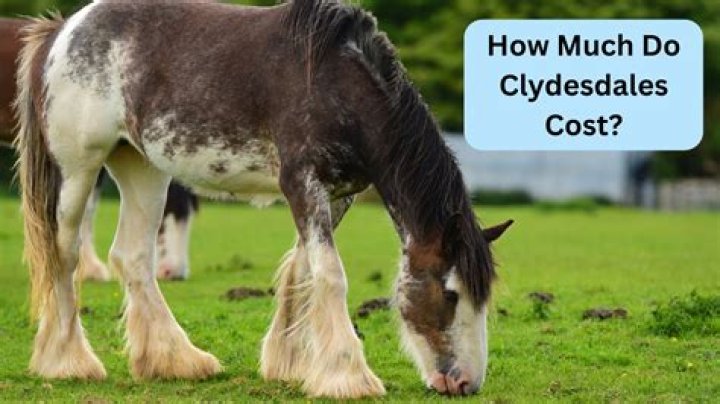
Clydesdales are known for their impressive size, standing between 16.2 and 18 hands high (66 to 72 inches) and weighing between 1,800 and 2,300 pounds. Their distinctive features include feathered legs, arched necks, and a gentle temperament. These characteristics make them not only functional but also visually stunning.
Average Cost of a Clydesdale
The cost of a Clydesdale can vary significantly depending on several factors. On average, you can expect to pay anywhere from $2,000 to $10,000 for a Clydesdale. However, prices can go much higher for horses with exceptional bloodlines or specialized training.
Factors Affecting Clydesdale Price
Age of the Horse
Age plays a critical role in determining the price of a Clydesdale. Younger horses, especially those with potential for breeding or competition, tend to be more expensive. Older horses, while still valuable, may be priced lower due to their limited lifespan.
Bloodline and Pedigree
Clydesdales with prestigious bloodlines or notable ancestors can command higher prices. If you're looking for a horse with a strong pedigree, be prepared to pay a premium.
Training and Experience
Horses that have undergone specialized training, such as for pulling carriages or competing in shows, will cost more than untrained horses. The level of training directly impacts the horse's value.
The Purchase Process
Buying a Clydesdale involves more than just selecting a horse and paying for it. Here are some steps to consider:
- Research Breeders: Look for reputable breeders or sellers with a track record of producing high-quality Clydesdales.
- Inspect the Horse: Conduct a thorough inspection, ideally with the help of a veterinarian, to ensure the horse is in good health.
- Negotiate the Price: Don't hesitate to negotiate based on the horse's condition, age, and other factors.
Ongoing Expenses of Owning a Clydesdale
Feed and Nutrition
Feeding a Clydesdale can be costly due to their size and dietary needs. High-quality hay, grains, and supplements are essential for maintaining their health.
Veterinary Care
Regular veterinary check-ups, vaccinations, and dental care are crucial for keeping your Clydesdale healthy. Budget for these expenses as part of your long-term ownership plan.
Tips for Caring for Your Clydesdale
Owning a Clydesdale requires dedication and knowledge. Here are some tips to help you provide the best care:
- Grooming: Regular grooming not only keeps your horse looking its best but also helps maintain its health.
- Exercise: Ensure your Clydesdale gets enough exercise to stay fit and healthy.
- Shelter: Provide a comfortable and safe living environment for your horse.
Clydesdale Breeding Costs
If you're interested in breeding Clydesdales, be aware of the associated costs. Breeding fees, stud services, and the potential need for veterinary assistance can add up quickly. Research thoroughly before embarking on this path.
Training a Clydesdale
Types of Training
Clydesdales can be trained for various purposes, including carriage driving, showmanship, and farm work. The type of training you choose will depend on your goals and the horse's temperament.
Cost of Training
Training costs can vary based on the trainer's experience, the location, and the duration of the training program. Expect to spend several hundred to a few thousand dollars for professional training.
Health Considerations for Clydesdales
Clydesdales are generally healthy horses, but like any breed, they are prone to certain health issues. Conditions such as laminitis and joint problems can affect their well-being. Regular veterinary care and a balanced diet are essential for preventing these issues.
Conclusion
Owning a Clydesdale is a rewarding experience, but it comes with significant financial and time commitments. Understanding the cost of a Clydesdale, the factors that influence pricing, and the ongoing expenses of ownership is vital for making an informed decision. Whether you're purchasing a Clydesdale for work, show, or companionship, ensure you're prepared for the responsibilities that come with it.
We encourage you to share your thoughts and experiences in the comments below. Have you ever owned a Clydesdale? What challenges or joys have you encountered? Also, feel free to explore other articles on our site for more information on horses and animal care.