How to Fill Out a Check Properly: A Comprehensive Guide
By John Peck
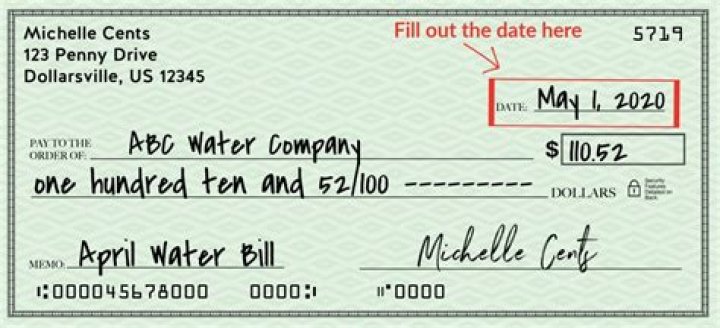
Filling out a check properly is a crucial skill that ensures your financial transactions are accurate and secure. Whether you're paying bills, transferring funds, or making purchases, a correctly written check prevents fraud and ensures your payment is honored by the bank. In this article, we will explore the step-by-step process of filling out a check, common mistakes to avoid, and tips for ensuring accuracy.
Checks have been a reliable payment method for decades, but with the rise of digital banking, many people are unfamiliar with the proper way to fill one out. This guide will provide you with all the information you need to confidently write checks without any errors.
By the end of this article, you'll have a solid understanding of how to complete each section of a check, why accuracy matters, and how to safeguard your financial information. Let's dive in!
Why It's Important to Fill Out a Check Properly
Filling out a check properly is essential for several reasons. First, it ensures that your payment is processed accurately and promptly by the bank. Second, it helps prevent fraud by reducing the likelihood of someone altering the information on your check. Lastly, a well-written check reflects professionalism and attention to detail, which is especially important in business transactions.
According to a study by the Federal Reserve, checks are still widely used in the U.S., with over 18 billion checks processed annually. Even though digital payment methods are gaining popularity, checks remain a reliable option for certain types of transactions, such as paying rent or sending money to family members who don't use online banking.
Understanding the Parts of a Check
Before you start filling out a check, it's important to understand its various components. A typical check includes the following sections:
- Date: The date when the check is written.
- Payee: The person or organization receiving the payment.
- Amount in Numbers: The payment amount written in numerical form.
- Amount in Words: The payment amount written in words to prevent alterations.
- Signature: Your signature to authorize the payment.
- Memo Line: Optional space for noting the purpose of the check.
Each of these sections plays a critical role in ensuring the check is processed correctly.
Step-by-Step Guide to Filling Out a Check
1. Date the Check
Start by writing the current date in the designated space. This helps the bank verify when the check was issued. Avoid post-dating checks, as it can lead to confusion and potential legal issues.
2. Write the Payee's Name
Clearly write the name of the person or organization you're paying. If you're unsure of the exact name, confirm it beforehand to avoid any issues during processing.
3. Enter the Payment Amount
Write the payment amount in both numbers and words. For example, if the amount is $150.50, write "150.50" in the box and "One hundred fifty and 50/100" on the line below.
4. Sign the Check
Your signature is required to authorize the payment. Make sure your signature matches the one on file with your bank to prevent delays.
Common Mistakes to Avoid When Filling Out a Check
Even experienced check writers can make mistakes. Here are some common errors to watch out for:
- Leaving Blank Spaces: Always fill in all sections of the check to prevent unauthorized changes.
- Illegible Writing: Ensure your handwriting is clear and legible to avoid processing errors.
- Incorrect Dates: Writing the wrong date can cause delays or rejection of the check.
- Forgetting to Sign: An unsigned check is invalid and cannot be processed.
By avoiding these mistakes, you can ensure your checks are processed smoothly and securely.
Security Tips for Writing Checks
Checks can be vulnerable to fraud if not handled carefully. Here are some security tips to protect your financial information:
- Use a pen with permanent ink to prevent alterations.
- Draw a line through any unused space on the amount line to prevent additions.
- Shred old or unused checks before disposing of them.
- Keep your checks in a secure location to prevent theft.
Implementing these practices will help safeguard your financial data and reduce the risk of fraud.
Digital Alternatives to Checks
While checks remain a popular payment method, many people are turning to digital alternatives for convenience and security. Options like online banking, mobile payments, and electronic transfers offer faster and more secure ways to send and receive money. However, checks are still preferred in certain situations, such as paying rent or making large purchases.
According to a report by JPMorgan Chase, approximately 30% of Americans still use checks regularly, particularly for business and real estate transactions. This highlights the ongoing relevance of checks in today's financial landscape.
When to Use Checks in Today's World
Despite the rise of digital payment methods, checks are still widely used in specific scenarios:
- Large transactions, such as buying a house or car.
- Paying rent or utility bills.
- Donations to charities or organizations.
- Gifting money to friends or family members who don't use online banking.
In these situations, checks provide a reliable and traceable method of payment.
Frequently Asked Questions About Checks
1. Can I Write a Check to Myself?
Yes, you can write a check to yourself by listing "Cash" or your own name as the payee. This is useful for withdrawing funds from your account or transferring money between accounts.
2. What Happens If I Make a Mistake on a Check?
If you make a minor mistake, you can usually correct it by drawing a line through the error and initialing it. However, if the mistake is significant, it's best to void the check and start a new one.
3. How Long Are Checks Valid?
Most checks are valid for six months from the date they are written. After that, they may be considered stale-dated and require reissuance.
Legal Considerations When Writing Checks
Writing checks involves certain legal responsibilities. For instance, issuing a check without sufficient funds in your account can result in overdraft fees and legal consequences. Additionally, altering or forging checks is a criminal offense that can lead to severe penalties.
According to the Uniform Commercial Code (UCC), banks are required to verify the authenticity of checks before processing them. This helps protect both the payer and the payee from fraudulent activities.
Conclusion
Filling out a check properly is a vital skill that ensures your financial transactions are accurate, secure, and legally compliant. By following the step-by-step guide outlined in this article, you can confidently write checks without worrying about errors or fraud. Remember to avoid common mistakes, implement security measures, and understand the legal implications of writing checks.
We encourage you to share this article with friends and family who may benefit from this information. If you have any questions or feedback, feel free to leave a comment below. And don't forget to explore our other articles for more useful tips on personal finance and banking!