
How to Get Rid of Japanese Beetles Naturally: A Comprehensive Guide
By Matthew Harrington
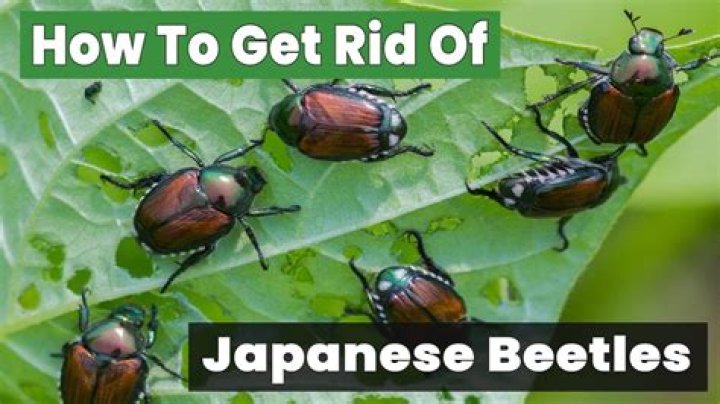
Japanese beetles are one of the most destructive garden pests, capable of wreaking havoc on your plants and landscaping. If you're looking for effective, natural ways to control these insects without resorting to harsh chemicals, you're in the right place. This guide will provide you with actionable tips and strategies to protect your garden while maintaining its health and beauty.
Whether you're an experienced gardener or a beginner, dealing with Japanese beetles can be a frustrating experience. These pests feed on over 300 species of plants, making them a widespread problem for homeowners and farmers alike. However, by employing natural methods, you can manage their population and preserve the integrity of your garden.
In this article, we will explore various techniques to combat Japanese beetles naturally, from manual removal to using natural repellents. By the end of this guide, you'll have a clear understanding of how to protect your garden from these pests without compromising the environment.
Understanding Japanese Beetles
Before diving into how to get rid of Japanese beetles naturally, it's important to understand their lifecycle and behavior. Japanese beetles (Popillia japonica) are native to Japan but were introduced to North America in the early 20th century. They have since become a major pest in many regions.
These beetles have a unique lifecycle that includes four stages: egg, larva (grub), pupa, and adult. The adult beetles typically emerge in early summer, feeding on plants and mating. Female beetles lay eggs in the soil, which hatch into grubs that feed on grassroots, causing damage to lawns and gardens.
Key Characteristics of Japanese Beetles
- Adult beetles are metallic green with copper-colored wings.
- They feed on the leaves and flowers of plants, leaving behind skeletonized foliage.
- Japanese beetles are most active during hot, sunny days.
Natural Methods to Control Japanese Beetles
Getting rid of Japanese beetles naturally involves a combination of strategies that target both the adult beetles and their larvae. By focusing on natural solutions, you can avoid the use of harmful chemicals that may harm beneficial insects and the environment.
Here are some of the most effective natural methods to consider:
1. Handpicking Beetles
This method involves manually removing adult beetles from your plants. While time-consuming, it can be highly effective if done consistently.
2. Using Natural Repellents
Plants such as garlic, chives, and catnip are known to repel Japanese beetles. Incorporating these plants into your garden can help deter these pests naturally.
Manual Removal Techniques
Manual removal is one of the simplest and most effective ways to control Japanese beetles. By removing them by hand, you can significantly reduce their population in your garden.
Here’s how you can do it:
- Fill a bucket with soapy water and gently shake the beetles off your plants into the bucket.
- Do this early in the morning when the beetles are less active.
- Repeat the process daily until the infestation is under control.
Choosing Resistant Plants
Another effective strategy is to plant species that are resistant to Japanese beetles. By selecting plants that these pests avoid, you can reduce their attraction to your garden.
Some plants to consider include:
- Boxwood
- Holly
- Hydrangea
- Oaks
Biological Controls for Japanese Beetles
Biological controls involve using natural predators and parasites to manage pest populations. This method is eco-friendly and can provide long-term control of Japanese beetles.
Some effective biological controls include:
- Parasitic nematodes: These microscopic worms attack and kill Japanese beetle grubs in the soil.
- Birds: Encourage birds to visit your garden by installing bird feeders and birdhouses. Many bird species feed on Japanese beetles.
Using Organic Sprays
Organic sprays can be an effective way to control Japanese beetles while avoiding harmful chemicals. Neem oil, for example, is a natural insecticide that disrupts the feeding and reproductive behavior of these pests.
Here’s how to use neem oil:
- Mix 1-2 tablespoons of neem oil with a gallon of water.
- Add a few drops of liquid soap to help the mixture adhere to plant leaves.
- Spray the solution on affected plants every 7-14 days.
Improving Soil Health
Healthy soil is key to maintaining a thriving garden and reducing pest problems. By improving the health of your soil, you can create an environment that is less favorable to Japanese beetles and their larvae.
Tips for improving soil health:
- Add compost to enrich the soil and provide essential nutrients.
- Aerate your lawn regularly to improve drainage and reduce grub populations.
- Use organic mulch to retain moisture and suppress weed growth.
Prevention Strategies
Prevention is always better than cure when it comes to pest management. By taking proactive steps, you can minimize the chances of a Japanese beetle infestation in your garden.
Here are some prevention strategies:
- Monitor your garden regularly for signs of beetle activity.
- Remove any damaged or infested plants promptly to prevent the spread of beetles.
- Install fine mesh netting over vulnerable plants to protect them from beetles.
Common Mistakes to Avoid
While there are many effective ways to control Japanese beetles naturally, there are also some common mistakes that gardeners make. By avoiding these pitfalls, you can increase the effectiveness of your pest management efforts.
Common mistakes include:
- Using chemical pesticides indiscriminately, which can harm beneficial insects.
- Ignoring the grubs in the soil, which are the root cause of the problem.
- Not addressing the underlying health of your garden and soil.
Conclusion
Japanese beetles can be a significant threat to your garden, but by using natural methods, you can control their population effectively. From manual removal to biological controls and organic sprays, there are many strategies to choose from. By focusing on prevention and maintaining healthy soil, you can create a garden that is resilient to pests and thriving with life.
We encourage you to share your experiences and tips in the comments below. If you found this article helpful, please consider sharing it with others who may benefit from it. For more gardening tips and advice, explore our other articles on our website.


