
How to Get Rid of Japanese Beetles on Plants: A Comprehensive Guide
By Sarah Rowe
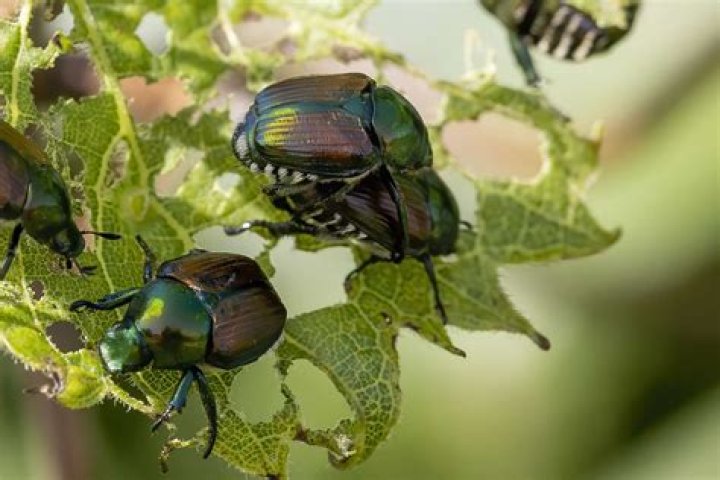
Japanese beetles can wreak havoc on your garden, damaging leaves, flowers, and fruits. If you're struggling with an infestation, this guide will provide you with effective strategies to control and eliminate these pests while protecting your plants. Whether you're a seasoned gardener or a newcomer, understanding how to manage Japanese beetles is essential for maintaining a thriving garden.
Japanese beetles are not only a nuisance but also a serious threat to the health of your plants. Their feeding habits can lead to defoliation, which weakens plants and reduces their ability to produce food through photosynthesis. Without proper intervention, your garden could suffer significant damage.
This article will walk you through everything you need to know about Japanese beetles, from understanding their lifecycle to implementing practical solutions. By the end of this guide, you'll be equipped with the knowledge and tools necessary to protect your plants and keep your garden flourishing.
Introduction to Japanese Beetles
Japanese beetles (Popillia japonica) are invasive pests that were first discovered in the United States in 1916. Since then, they have spread across many regions, causing widespread damage to gardens, landscapes, and agricultural crops. These beetles are known for their metallic green bodies and copper-colored wings, making them easily recognizable.
Understanding the behavior and habits of Japanese beetles is the first step in controlling their population. They feed on over 300 species of plants, making them a significant threat to a wide variety of vegetation. Their presence can lead to severe defoliation, stunted growth, and even plant death if left unchecked.
Understanding the Life Cycle of Japanese Beetles
The life cycle of Japanese beetles consists of four stages: egg, larva, pupa, and adult. Each stage plays a crucial role in their development and impact on plants.
Stage 1: Egg
Female Japanese beetles lay eggs in the soil, typically in late June to early July. The eggs hatch into larvae, which feed on grass roots and organic matter.
Stage 2: Larva
The larval stage, also known as grubs, is when the beetles cause the most damage to lawns and gardens. Grubs feed on plant roots, leading to brown patches in lawns and weakened plants.
Stage 3: Pupa
After several weeks of feeding, the grubs enter the pupal stage, where they transform into adult beetles. This stage usually occurs in the spring.
Stage 4: Adult
Adult Japanese beetles emerge in early summer and begin feeding on plants. They are most active during warm, sunny days and can travel long distances to find suitable hosts.
How to Identify Japanese Beetles
Recognizing Japanese beetles is essential for early intervention. Here are some key characteristics to look for:
- Metallic green bodies with copper-colored wings
- Small, oval-shaped insects measuring about 0.4 to 0.6 inches in length
- Visible white tufts of hair along the sides of their abdomen
- Clusters of beetles feeding on leaves and flowers
Inspect your plants regularly for signs of damage, such as skeletonized leaves or chewed petals. Early detection can prevent extensive damage to your garden.
Natural Methods to Get Rid of Japanese Beetles
If you prefer organic solutions, there are several natural methods to control Japanese beetles:
Handpicking
Manually removing beetles from your plants is an effective way to reduce their population. Place a bucket of soapy water beneath the affected plant and shake the branches to knock the beetles into the water.
Neem Oil
Neem oil is a natural insecticide that disrupts the feeding and reproductive cycles of Japanese beetles. Spray the solution directly on the leaves and beetles for best results.
Row Covers
Using row covers can physically prevent beetles from accessing your plants. Install the covers early in the season to protect vulnerable crops.
Chemical Controls for Japanese Beetles
For severe infestations, chemical treatments may be necessary. However, it's important to use them responsibly to avoid harming beneficial insects and the environment.
Pesticides
Products containing carbaryl or pyrethroids can effectively kill Japanese beetles. Follow the manufacturer's instructions carefully and apply the treatment during the early morning or late evening when beetles are less active.
Soil Treatments
Treating the soil with insecticides targeting grubs can reduce the beetle population before they emerge as adults. Timing is critical for this method, so apply the treatment in late summer or early fall.
Preventive Measures Against Japanese Beetles
Prevention is key to minimizing the impact of Japanese beetles. Here are some proactive steps you can take:
- Plant resistant varieties of plants that are less attractive to beetles
- Maintain healthy soil to strengthen plant defenses
- Regularly inspect and clean garden tools to prevent spreading grubs
- Encourage natural predators like birds and nematodes to your garden
Plants Most at Risk from Japanese Beetles
Certain plants are more susceptible to Japanese beetle damage. Some of the most vulnerable species include:
- Roses
- Grapes
- Raspberries
- Elderberries
- Beans
By identifying these high-risk plants, you can prioritize your efforts to protect them from infestations.
Using Beneficial Insects to Control Japanese Beetles
Introducing beneficial insects to your garden can help control Japanese beetle populations naturally. Parasitic wasps and nematodes are effective predators that target beetle larvae and adults.
Nematodes
Applying nematodes to the soil can significantly reduce grub populations. These microscopic organisms infect and kill grubs without harming plants or other beneficial insects.
Tools and Equipment for Managing Japanese Beetles
Having the right tools can make managing Japanese beetles easier and more efficient. Consider investing in the following:
- Insecticidal sprayers for applying chemical treatments
- Row covers for physical protection
- Handheld vacuums for removing beetles
- Garden gloves for handpicking
Proper maintenance and storage of these tools ensure their effectiveness and longevity.
Conclusion and Call to Action
Japanese beetles pose a significant threat to gardens and landscapes, but with the right strategies, you can protect your plants and maintain a healthy garden. By understanding their lifecycle, identifying signs of infestation, and implementing both natural and chemical controls, you can effectively manage these pests.
We encourage you to share this article with fellow gardeners and leave your thoughts in the comments section below. For more tips and advice, explore our other articles on gardening and pest control. Together, we can create a thriving, beetle-free environment for all plants to flourish.

![Naughty America: Watch & Download XXX - [Top Porn]](https://silver.isevcloud.co.uk/uploads/stream-1000s-of-exclusive-adult-porn-videos-joining-naughty-america-gets-you-access-to-thousands-of-the-best-porn-scenes-online-with-a-library-that-spans-over-20-years-you-39-ll-get-to-enjoy-the-latest-hottest-pornstars-from-milfs-to-teens-amateurs-to-award-winning-pro-39-s-and-some-faces-you-may-not-recognize-but-will-find-their-way-into-your-fantasies-naughty-america-is-the-global-authority-on-sex-watch-our-famous-porn-movies-or-have-the-real-experience-with-our-vr-porn-we-have-the-best-porn-stars-and-highest-quality-porn-we-are-here-to-help-you-find-your-fantasy-get-access-to-naughty-america-and-login-to-watch-and-download-porn-as-a-member-for-free-you-can-stream-our-4k-hd-and-vr-porn-on-desktops-laptops-mobile-phones-tablets-and-all-popular-virtual-reality-porn-headsets-like-vive-and-oculus-rift-watch-high-quality-hd-naughty-america-tube-videos-sex-trailers-no-password-is-required-to-watch-movies-on-pornhub-com-the-most-hardcore-xxx-movies-await-you-here-on-the-world-39-s-biggest-porn-tube-so-browse-the-amazing-selection-of-hot-naughty-america-sex-videos-now-watch-the-most-erotic-sex-scenes-in-amazing-vr-4k-and-hd-quality-enjoy-all-of-her-naughty-america-scenes-for-1-95-watch-new-u26a1-naughty-america-hd-porn-movies-and-pictures-all-videos-are-true-1080p-and-720p-enjoy-ufe0f-our-collection-of-naughty-america-xxx-films-ud83c-udf9e-ufe0f-xnxx-com-39-naughty-america-39-search-free-sex-videos-naughty-america-offers-the-best-and-exclusive-new-porn-on-the-internet-we-update-hd-4k-and-vr-porn-daily-so-experience-the-ultimate-xxx-videos-every-day-i-represent-warrant-and-agree-to-the-following-i-am-at-least-eighteen-18-years-of-age-and-have-the-legal-right-to-access-and-possess-adult-material-in-the-community-from-which-i-am-accessing-these-materials-and-in-which-i-reside-browse-all-naughty-america-categories-to-find-the-fantasy-that-is-right-for-you-we-39-re-obsessive-with-labeling-our-content-from-body-types-to-fantasies-lingerie-to-fetishes-whatever-you-want-it-39-ll-be-at-your-fingertips-log-into-the-member-39-s-area-of-the-best-porn-site-on-the-internet-naughty-america-is-one-the-the-most-award-winning-adult-entertainment-platforms-on-the-internet-for-over-20-years-naughty-america-has-defined-itself-by-constantly-booking-top-talent-staying-on-top-of-trending-and-classic-themes-alike-as-well-as-pushing-the-envelope-of-technology-and-entertainment-naughty-america-is-the-global-authority-on-sex-watch-our-famous-porn-movies-or-have-the-real-experience-with-our-vr-porn-we-have-the-best-porn-stars-and-highest-quality-porn-download-or-watch-top-rated-porn-videos-at-naughty-america-with-multiple-updates-daily-experience-your-favorite-xxx-pornstars-in-stunning-4k-vr-hd-quality-naughty-america-gives-you-access-to-massive-porn-collection-in-crystal-clear-highest-quality-photo-and-video-technologies-available-to-stream-and-download-from-any-desktop-laptop-mobile-or-smart-device-all-vr-porn-porn-movies-porn-deals-inside-naughty-america-ar-porn-my-naughty-america-playstation-vr-lenses-strip-club-naughty-america-is-one-the-the-most-award-winning-adult-entertainment-platforms-on-the-internet-for-over-20-years-naughty-america-has-defined-itself-by-constantly-booking-top-talent-staying-on-top-of-trending-and-classic-themes-alike-as-well-as-pushing-the-envelope-of-technology-and-entertainment-discover-naughty-america-full-hd-1080p-sex-videos-featuring-porn-stars-fucking-in-xxx-scenes-naughty-america-is-one-the-the-most-award-winning-adult-entertainment-platforms-on-the-internet-for-over-20-years-naughty-america-has-defined-itself-by-constantly-booking-top-talent-staying-on-top-of-trending-and-classic-themes-alike-as-well-as-pushing-the-envelope-of-technology-and-entertainment-best-pornstars-playing-and-having-fun-in-naughty-america-free-videos-enjoy-the-best-hd-porn-collection-on-our-free-xxx-tube-naughty-america-is-one-the-the-most-award-winning-adult-entertainment-platforms-on-the-internet-for-over-20-years-naughty-america-has-defined-itself-by-constantly-booking-top-talent-staying-on-top-of-trending-and-classic-themes-alike-as-well-as-pushing-the-envelope-of-technology-and-entertainment_720.jpg)

