
How to Remove Acrylic Nails at Home Without Acetone: A Comprehensive Guide
By Andrew Thornton
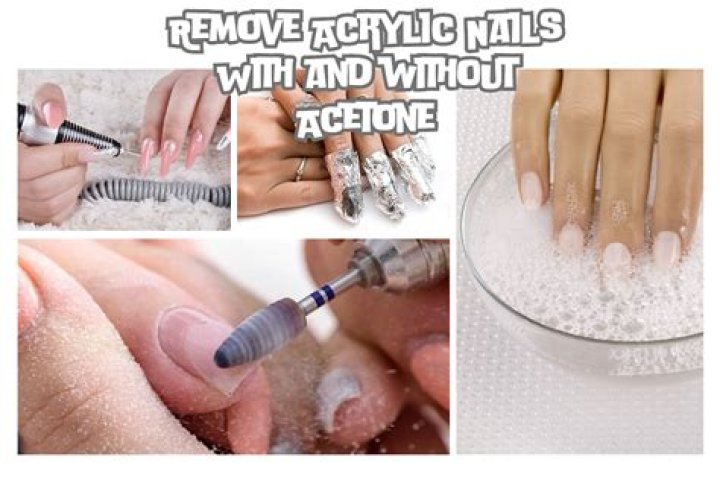
Removing acrylic nails at home without acetone is a practical and safe solution if you want to save money and time. Many people believe that acetone is the only way to remove acrylic nails, but there are alternative methods that can be just as effective. In this guide, we will explore safe, easy-to-follow steps to help you remove acrylic nails without damaging your natural nails.
Acrylic nails are a popular choice for those who want long-lasting, durable nails. However, when it's time to remove them, the process can be daunting, especially if you're trying to avoid using acetone. Acetone can be harsh on the skin and nails, causing dryness and irritation. Fortunately, there are gentle alternatives that you can try at home.
This article will provide a detailed explanation of how to remove acrylic nails at home without acetone. You'll learn about the tools and materials you need, step-by-step instructions, and tips to ensure your nails remain healthy and strong. Let's dive in!
Tools and Materials Needed to Remove Acrylic Nails
Before you start the process of removing acrylic nails without acetone, it's essential to gather the right tools and materials. Here's what you'll need:
- Nail file (coarse or medium grit)
- Cotton balls or pads
- Olive oil, coconut oil, or cuticle oil
- Baking soda
- Bowl of warm water
- Cuticle pusher or orange stick
- Cotton swabs
- Nail buffer (optional)
Having these materials on hand will make the process smoother and more efficient. Let's explore why non-acetone methods are a better choice for some individuals.
Why Choose Non-Acetone Methods?
Acetone-based nail polish removers are effective for breaking down acrylic nails, but they can also strip the natural oils from your nails and cuticles, leading to dryness and brittleness. If you have sensitive skin or are pregnant, acetone can cause irritation and discomfort.
Non-acetone methods offer a gentler alternative that can protect your nails and cuticles while still effectively removing acrylic nails. These methods often rely on natural ingredients that are safe and nourishing for your nails.
Effective Methods to Remove Acrylic Nails Without Acetone
Filing and Soaking Method
The filing and soaking method is one of the most popular ways to remove acrylic nails without acetone. Here's how you can do it:
- Begin by filing the surface of the acrylic nails with a coarse or medium grit nail file. This helps to break down the top layer and weaken the bond between the acrylic and your natural nail.
- Soak your fingers in a bowl of warm water for about 10-15 minutes. This will help soften the acrylic.
- Use a cuticle pusher or orange stick to gently lift and remove the softened acrylic from the nail bed.
- Repeat the process for each nail, ensuring you remove all traces of acrylic.
This method is time-consuming but effective, and it allows you to avoid harsh chemicals altogether.
Oil-Based Removal Method
Oil-based removal is another excellent option for removing acrylic nails without acetone. Here's a step-by-step guide:
- Apply a generous amount of olive oil, coconut oil, or cuticle oil to each nail. Make sure the oil covers the entire surface of the acrylic.
- Wrap your fingers in aluminum foil to trap the heat and allow the oil to penetrate the acrylic. Leave it on for 15-20 minutes.
- Use a cuticle pusher or orange stick to gently lift and remove the softened acrylic.
- Repeat the process until all the acrylic is removed.
Oils not only help break down the acrylic but also moisturize your nails and cuticles, leaving them soft and hydrated.
Baking Soda and Water Solution
Baking soda is a versatile household ingredient that can also be used to remove acrylic nails. Here's how:
- Create a paste by mixing baking soda with a small amount of water. The consistency should be thick enough to apply to your nails.
- Apply the paste to each acrylic nail and let it sit for 10-15 minutes. The baking soda will help weaken the bond between the acrylic and your natural nail.
- Soak your fingers in warm water for another 10 minutes to further soften the acrylic.
- Use a cuticle pusher or orange stick to gently remove the acrylic from the nail bed.
Baking soda is a gentle abrasive that can effectively break down acrylic nails without causing damage to your natural nails.
Tips for Healthy Nails After Removal
After removing your acrylic nails, it's important to take care of your natural nails to ensure they remain healthy and strong. Here are some tips:
- Moisturize your nails and cuticles daily with a nourishing cuticle oil or lotion.
- Use a nail buffer to smooth out any rough edges on your natural nails.
- Avoid exposing your nails to harsh chemicals, such as cleaning products, without wearing gloves.
- Eat a balanced diet rich in vitamins and minerals, especially biotin and vitamin E, to promote nail health.
By following these tips, you can maintain healthy, strong nails even after removing acrylics.
Common Questions About Removing Acrylic Nails
Can I Remove Acrylic Nails Without Soaking?
Yes, you can remove acrylic nails without soaking, but it may take longer and require more effort. Filing the acrylic down and using a cuticle pusher to lift it off is one way to do it without soaking.
Will Removing Acrylic Nails Damage My Natural Nails?
If done correctly, removing acrylic nails should not damage your natural nails. However, it's important to be gentle and avoid forcing the acrylic off, as this can cause peeling or breaking of the natural nail.
Potential Risks and How to Avoid Them
While removing acrylic nails without acetone is generally safe, there are some risks to be aware of:
- Over-filing: Filing too aggressively can damage your natural nails. Always use a light touch and stop when you feel the acrylic starting to lift.
- Infection: If you accidentally cut or damage your cuticles during the removal process, it can lead to infection. Be sure to keep your tools clean and sanitized.
- Dryness: Even with non-acetone methods, your nails and cuticles may become dry. Regular moisturizing is essential to prevent this.
By being cautious and following the steps carefully, you can minimize these risks and ensure a safe removal process.
Conclusion
Removing acrylic nails at home without acetone is a safe and effective option for those who want to avoid harsh chemicals. By using natural ingredients like oils, baking soda, and warm water, you can gently break down the acrylic and remove it without damaging your natural nails.
Remember to take your time and be gentle during the process to avoid any potential risks. After removal, take care of your nails by moisturizing and maintaining a healthy nail care routine.
We invite you to share your experience with removing acrylic nails in the comments below. Have you tried any of these methods? Let us know how they worked for you. Don't forget to explore our other articles for more tips and tricks on nail care!

![Decoding Movie Rules: Understanding & Enjoying Films | [Movierulz] & Beyond](https://silver.isevcloud.co.uk/uploads/3-movierulz-brings-the-latest-hollywood-movierulz-news-3movierulz-also-brings-movie-news-tv-news-trailers-reviews-movierulz-articles-in-south-ind-movies-are-more-than-just-a-form-of-entertainment-they-are-a-reflection-of-culture-storytelling-and-human-emotions-understanding-the-rules-that-govern-films-can-enhance-your-viewing-experience-and-provide-deeper-insights-into-the-narratives-presented-in-this-article-we-will-explore-the-five-essential-movie-rules-that-every-cinephile-should-know-before-movierulz-2025-latest-hd-telugu-kannada-tamil-south-indian-movies-web-series-shows-kdramas-watch-at-high-quality-on-movierulz-tv-this-page-is-intended-to-document-significant-changes-to-the-movie-rules-over-the-course-of-the-site-u2019s-history-this-is-far-from-a-complete-list-with-emphasis-being-placed-on-more-recent-rule-changes-standard-goals-based-on-di-u2026-understanding-movierules-is-essential-for-filmmakers-producers-and-even-audiences-these-regulations-impact-everything-from-the-production-phase-to-distribution-and-viewership-by-adhering-to-these-rules-filmmakers-can-navigate-the-complex-landscape-of-content-creation-ensuring-their-work-is-both-legally-compliant-and-culturally-sensitive-movie-show-times-schedules-and-tickets-in-los-angeles-long-beach-anaheim-santa-ana-irvine-burbank-lakewood-santa-monica-fountain-valley-orange-pasadena-ca-when-it-comes-to-enjoying-films-understanding-the-core-principles-that-govern-cinematic-storytelling-can-elevate-your-viewing-experience-significantly-the-5-movie-rules-com-framework-offers-a-set-of-guidelines-designed-to-help-both-filmmakers-and-audiences-appreciate-the-intricacies-of-modern-cinema-in-this-article-we-will-explore-these-five-essential-rules-and-this-combination-of-comfort-variety-and-free-access-makes-movierulz-profoundly-attractive-especially-for-viewers-on-a-tight-budget-the-dark-side-of-piracy-we-would-like-to-show-you-a-description-here-but-the-site-won-u2019t-allow-us-movierulz-com-movierulz-latest-bollywood-and-hollywood-movies-watch-online-full-free-movierulz-is-wide-range-collection-of-telugu-movies-tamil-malayalam-bengali-kannada-movierulz-movierulz-provide-a-wide-range-of-telugu-movies-tamil-malayalam-and-hindi-movies-watch-full-telugu-movies-online-anytime-anywhere-on-zee5-also-explore-41-telugu-movies-online-in-full-hd-from-our-latest-telugu-movies-collection-movies-are-more-than-just-a-form-of-entertainment-they-are-a-reflection-of-culture-storytelling-and-human-emotions-understanding-the-rules-that-govern-films-can-enhance-your-viewing-experience-and-provide-deeper-insights-into-the-narratives-presented-in-this-article-we-will-explore-the-five-essential-movie-rules-that-every-cinephile-should-know-before-movierulz-latest-featured-telugu-movies-watch-online-download-full-free-collection-of-bollywood-movies-tamil-malayalam-dubbed-kannada-5movierulz-movierulz-is-a-piracy-website-that-leaks-the-tamil-telugu-kannada-hindi-movies-and-allows-users-to-download-movies-in-free-check-out-the-latest-news-and-updates-on-meta-movierulz-here-enjoy-watching-new-telugu-movies-release-of-2025-experience-the-latest-and-new-south-indian-movies-on-your-mobile-device_720.jpg)

