
How to Repair a Huge Hole in Drywall: A Comprehensive Guide
By Andrew Thornton
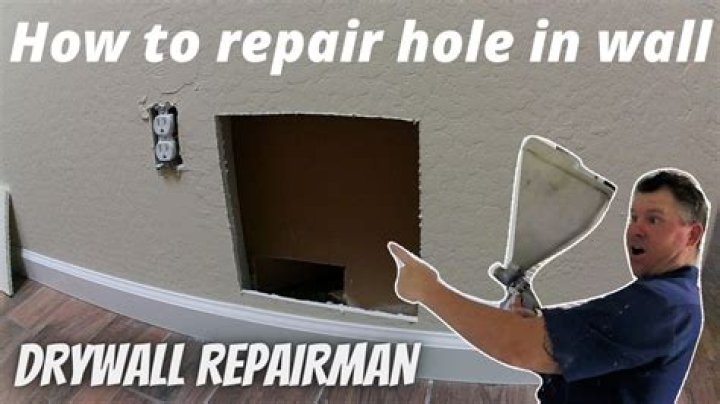
Repairing a huge hole in drywall can seem daunting, but with the right tools and techniques, it becomes a manageable DIY project. Whether caused by an accident, structural damage, or wear and tear, fixing a large hole in your drywall is essential for maintaining the appearance and integrity of your walls. This guide will walk you through the process step by step, ensuring you achieve professional results without the professional cost.
Large holes in drywall are more than just an eyesore; they can also compromise the structural integrity of your walls and lead to further damage over time. Ignoring the problem may result in moisture buildup, pest infestations, or even mold growth. That’s why addressing the issue promptly is crucial.
In this article, we will cover everything from assessing the damage to completing the final touches. By the end, you’ll have the confidence and knowledge to repair a huge hole in drywall like a pro. Let’s get started!
Assessing the Damage
Before diving into the repair process, it’s essential to assess the extent of the damage. This step is crucial because the method you choose will depend on the size and location of the hole.
For a huge hole in drywall, you’ll need to determine:
- The exact size of the hole.
- Whether there is any damage to the surrounding structure, such as the wall studs or insulation.
- If the hole is caused by water damage or pests, which may require additional repairs.
Once you have a clear understanding of the damage, you can proceed with the appropriate repair method.
Tools and Materials Needed
Essential Tools
Repairing a large hole in drywall requires a few basic tools that most homeowners already have. If you don’t have them, they are easily accessible at your local hardware store. Here’s a list of essential tools:
- Utility knife
- Drywall saw
- Measuring tape
- Screwdriver
- Drill
- Sandpaper or sanding block
- Trowel or putty knife
Materials Required
In addition to tools, you’ll need the following materials:
- Drywall patch or sheet
- Drywall screws
- Joint compound
- Metal or wood backing
- Murphy’s Oil Soap or cleaning agent
- Paint (matching the wall color)
Having all the necessary tools and materials on hand will make the process smoother and more efficient.
Preparing the Area
Preparation is key to a successful repair. Start by clearing the area around the hole to ensure you have enough space to work comfortably. Remove any furniture or decorations that might get in the way.
Next, clean the damaged area thoroughly. Use Murphy’s Oil Soap or a similar cleaning agent to remove any dirt, dust, or debris. This step is important because a clean surface ensures better adhesion of the joint compound.
Finally, wear protective gear such as gloves, goggles, and a dust mask to protect yourself from dust and debris during the repair process.
Patching the Hole
Creating a Square or Rectangular Opening
For a huge hole in drywall, it’s often easier to create a square or rectangular opening. This makes it simpler to attach the patch and ensures a more stable repair.
Use a drywall saw to carefully cut the damaged area into a square or rectangle. Make sure the edges are straight and clean. This will provide a solid base for attaching the patch.
Installing Backing
To reinforce the repair, you’ll need to install backing behind the hole. This can be done using either metal or wood strips.
Cut the backing to fit snugly inside the hole and secure it to the wall studs using screws. This will provide additional support for the patch and prevent it from sagging.
Attaching the Patch
Once the backing is in place, cut a piece of drywall patch to fit the opening. Secure the patch to the backing using drywall screws, ensuring it is flush with the surrounding wall.
For larger holes, you may need to use multiple pieces of patch or a full sheet of drywall. In such cases, follow the same process of securing the patch to the backing.
Sanding the Patch
After attaching the patch, apply a thin layer of joint compound over the seams and screw heads. Use a trowel or putty knife to smooth out the compound, making sure it blends seamlessly with the surrounding wall.
Allow the compound to dry completely, which usually takes about 24 hours. Once dry, use fine-grit sandpaper or a sanding block to smooth out the surface. Be gentle to avoid damaging the patch or the surrounding wall.
Repeat the process of applying joint compound and sanding until the patch is level with the wall and no seams are visible.
Finishing Touches
Priming the Patch
Before painting, apply a primer to the patched area. This will help the paint adhere better and ensure a uniform finish.
Use a high-quality primer designed for drywall repairs and apply it evenly over the patch. Allow it to dry completely before proceeding to the next step.
Painting the Wall
Once the primer is dry, it’s time to paint the wall. Use a paint roller or brush to apply the paint, making sure to blend it seamlessly with the surrounding area.
If necessary, apply multiple coats of paint until the patch is no longer visible. Allow each coat to dry thoroughly before applying the next.
Common Mistakes to Avoid
While repairing a huge hole in drywall, it’s important to avoid common mistakes that can compromise the quality of the repair. Here are a few pitfalls to watch out for:
- Not preparing the area properly: Failing to clean the damaged area or wear protective gear can lead to poor results and potential health hazards.
- Using too much joint compound: Applying excessive amounts of compound can make sanding more difficult and result in an uneven finish.
- Skipping the primer: Neglecting to prime the patch can cause the paint to look patchy or uneven.
- Rushing the process: Not allowing enough time for each step to dry can lead to cracks or peeling.
Avoiding these mistakes will ensure a professional-looking repair.
Cost Considerations
Repairing a huge hole in drywall is generally a cost-effective solution compared to hiring a professional. However, the cost can vary depending on the size of the hole and the materials used.
On average, the cost of materials for a DIY repair ranges from $20 to $50. This includes drywall patches, joint compound, screws, and paint. If you need to replace an entire section of drywall, the cost may increase slightly.
By doing the repair yourself, you can save hundreds of dollars in labor costs while gaining valuable skills.
Alternatives to Traditional Repair Methods
Using Self-Adhesive Drywall Patches
For smaller holes, self-adhesive drywall patches can be a quick and easy solution. These patches come pre-coated with adhesive and can be applied directly to the wall without the need for screws or backing.
Simply clean the damaged area, apply the patch, and finish with joint compound and paint. This method is ideal for smaller holes but may not be suitable for larger repairs.
Utilizing Drywall Repair Kits
Drywall repair kits are another convenient option for fixing large holes. These kits typically include all the necessary materials, such as patches, joint compound, and application tools.
Follow the instructions provided with the kit for a hassle-free repair. While these kits may not offer the same level of customization as a traditional repair, they can save time and effort.
Maintenance Tips for Preventing Future Damage
Preventing future damage to your drywall is just as important as repairing existing damage. Here are a few tips to help you maintain the integrity of your walls:
- Regularly inspect your walls for signs of wear and tear.
- Address minor issues promptly to prevent them from becoming major problems.
- Use wall protectors or corner guards in high-traffic areas.
- Keep your walls clean and free of moisture to prevent mold and mildew growth.
By following these tips, you can extend the lifespan of your drywall and avoid costly repairs in the future.
Conclusion
Repairing a huge hole in drywall is a manageable DIY project that can save you time and money. By following the steps outlined in this guide, you can achieve professional results with minimal effort.
Remember to assess the damage, gather the necessary tools and materials, and prepare the area before starting the repair process. Pay attention to detail during each step, and don’t forget to prime and paint the patched area for a seamless finish.
We encourage you to share your experience or ask questions in the comments below. If you found this article helpful, please consider sharing it with others who might benefit from the information. For more DIY tips and tricks, explore our other articles on home improvement and maintenance.


