
How to Write a Letter Envelope: A Comprehensive Guide
By Matthew Harrington
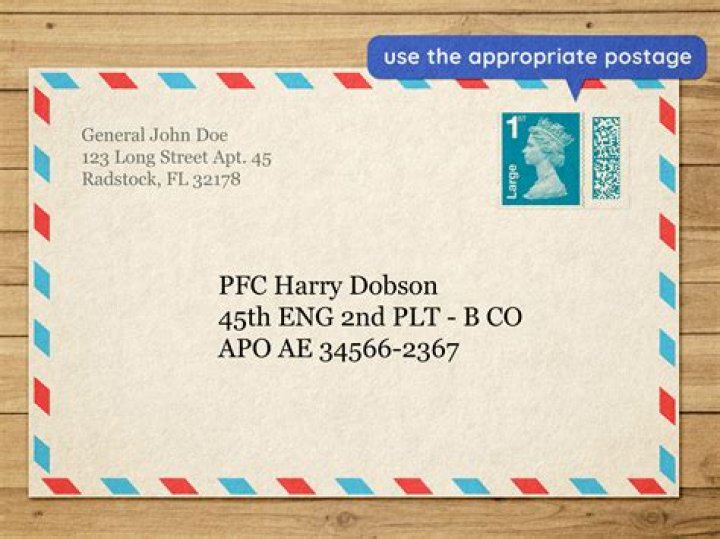
Writing a letter envelope correctly is essential for ensuring your correspondence reaches the right recipient on time. Whether you are sending a formal business letter or a heartfelt personal note, understanding how to address an envelope properly is a skill that can make all the difference. In today's digital age, handwritten letters have become increasingly rare, making them even more special and meaningful. However, mastering the art of writing an envelope requires attention to detail and adherence to specific guidelines.
Addressing envelopes correctly ensures your mail avoids delays, returns, or worse—being lost in transit. This article will provide step-by-step instructions, tips, and best practices to help you write a letter envelope professionally and accurately. Whether you're sending mail domestically or internationally, this guide will cover everything you need to know.
By the end of this article, you'll have the confidence to address envelopes for any occasion, whether it's for business, personal, or formal invitations. Let's dive into the details and learn how to write a letter envelope the right way.
The Importance of Writing a Letter Envelope Correctly
Properly addressing an envelope is more than just a formality; it plays a critical role in the delivery process. The postal service relies on accurate information to route mail efficiently. Incorrectly addressed envelopes can lead to delays, misdelivery, or even return to sender. This is particularly important when sending sensitive documents, business correspondence, or formal invitations.
Writing a letter envelope correctly also reflects professionalism and attention to detail. For example, in a business setting, a well-addressed envelope can enhance the perception of your company's reliability and competence. Similarly, for personal letters, a neatly written envelope shows thoughtfulness and care towards the recipient.
Step-by-Step Guide to Writing a Letter Envelope
Step 1: Gather Necessary Information
Before you begin writing, ensure you have all the necessary information about the recipient and sender. This includes the full name, address, and postal code. For international mail, you'll also need the country name clearly written.
Step 2: Position the Recipient's Address
The recipient's address should be centered on the front of the envelope. Start with the full name on the first line, followed by the street address, city, state, and postal code on subsequent lines.
Step 3: Add the Sender's Address
Place the sender's address in the top left corner of the envelope. This is crucial in case the mail cannot be delivered and needs to be returned.
Understanding the Proper Format
Writing a letter envelope follows a specific format to ensure clarity and consistency. Here's a breakdown of the essential elements:
- Recipient's Name: Clearly write the full name of the person receiving the letter.
- Street Address: Include the complete street address, including apartment or suite numbers if applicable.
- City, State, and Postal Code: Write the city, state abbreviation, and postal code on the same line, separated by commas.
- Country (for international mail): Clearly write the country name in capital letters on the last line.
Addressing Domestic Envelopes
When addressing envelopes within your own country, the process is relatively straightforward. Follow the standard format mentioned above, ensuring all details are accurate and legible. Use a pen with permanent ink to prevent smudging.
Additional Tips for Domestic Envelopes
Consider the following tips for domestic mail:
- Double-check the postal code to avoid delays.
- Use abbreviations for states and directions (e.g., St., Ave., N., S.).
- Ensure the envelope is large enough to accommodate the contents without bending.
Addressing International Envelopes
Sending mail internationally requires additional considerations. The country name must be clearly written in capital letters on the last line of the recipient's address. It's also advisable to use English for the address, as it is widely understood by postal services worldwide.
Key Points for International Envelopes
Keep these points in mind when addressing international envelopes:
- Include the country name in capital letters on the last line.
- Verify the correct postal code format for the destination country.
- Consider using a return address label to make it easier for the postal service to identify the sender.
Tips for Writing a Letter Envelope
Here are some practical tips to enhance your envelope-writing skills:
- Use a ruler to ensure straight lines and neat alignment.
- Choose a pen with black or blue ink for better visibility.
- Practice writing the address on a piece of paper before committing to the envelope.
Common Mistakes to Avoid
Even with the best intentions, mistakes can happen. Here are some common errors to watch out for:
- Omitting the postal code or country name.
- Using informal abbreviations that may confuse postal workers.
- Forgetting to include the sender's address.
Tools and Resources for Writing a Letter Envelope
Several tools and resources can assist you in writing a letter envelope accurately:
- Postal Service Websites: Many postal services offer online tools to verify addresses and calculate postage.
- Address Labels: Pre-printed labels can save time and reduce errors.
- Envelope Templates: Use templates to ensure proper alignment and formatting.
Writing Business Envelopes
Business envelopes require a more formal approach. Use company letterhead and include the business's official address. Ensure the recipient's address is professional and free of abbreviations.
Best Practices for Business Envelopes
Follow these best practices for business correspondence:
- Use a window envelope to display the recipient's address without additional printing.
- Include a return address in the top left corner.
- Verify the recipient's title and position to address them appropriately.
Writing Personal Envelopes
Personal envelopes allow for more creativity while maintaining clarity. You can add decorative touches, such as stamps or embellishments, to personalize the envelope.
Ideas for Personal Envelopes
Consider these ideas for personalizing your envelopes:
- Use colored pens or markers for a fun touch.
- Include a small note or drawing on the envelope.
- Experiment with different envelope shapes and sizes.
Conclusion
Writing a letter envelope correctly is a skill that combines practicality with personal expression. By following the steps and tips outlined in this guide, you can ensure your correspondence is delivered efficiently and professionally. Remember to double-check all details, use the proper format, and avoid common mistakes.
We encourage you to share your thoughts and experiences in the comments below. Have you encountered any unique challenges when addressing envelopes? Let us know! For more tips and guides, explore our other articles on communication and writing. Thank you for reading, and happy writing!
Referenced Sources:
- United States Postal Service (USPS) Addressing Guidelines
- Universal Postal Union (UPU) International Addressing Standards


