
Is Lily of the Valley Toxic? A Comprehensive Guide to Understanding Its Risks and Benefits
By William Brown
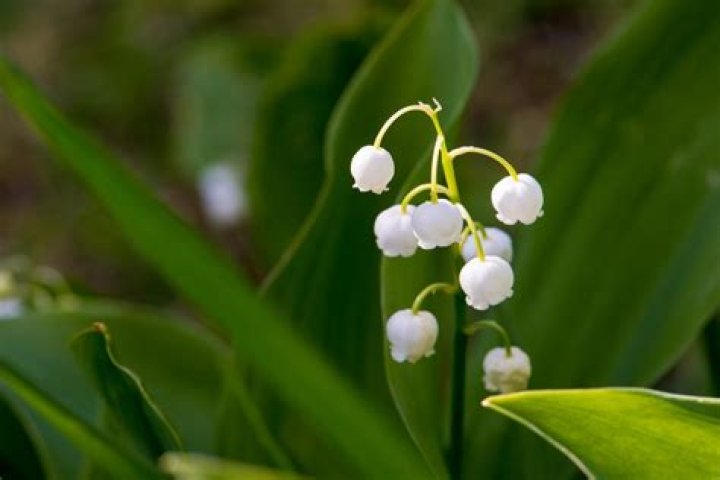
When it comes to plants, some of them are admired for their beauty and fragrance, but they can also pose serious risks to humans and animals. One such plant is the Lily of the Valley, a delicate yet potent plant that has sparked curiosity and concern among gardening enthusiasts and health-conscious individuals alike. Is Lily of the Valley toxic? This article aims to answer that question comprehensively while providing actionable insights to help you stay safe.
Lily of the Valley, scientifically known as Convallaria majalis, is a popular ornamental plant admired for its sweet scent and charming white bell-shaped flowers. However, its toxicity has led many to question its safety in homes and gardens. In this article, we’ll explore the potential dangers associated with this plant and how you can mitigate those risks.
As you read further, you’ll discover why Lily of the Valley is considered toxic, the effects it can have on humans and pets, and how to handle it responsibly. Whether you’re a gardener, a pet owner, or simply curious about this iconic plant, this guide will provide you with all the information you need to make informed decisions.
Introduction to Lily of the Valley
What is Lily of the Valley?
Lily of the Valley, scientifically referred to as Convallaria majalis, is a perennial plant native to Europe, Asia, and North America. It is known for its small, fragrant, white bell-shaped flowers and lush green leaves. This plant is often used in gardens, bouquets, and even royal weddings due to its elegant appearance and delightful aroma.
Despite its beauty, Lily of the Valley contains toxic compounds that can cause adverse effects if ingested or handled improperly. Understanding its characteristics and potential risks is crucial for those who grow or encounter this plant.
Overview of Lily of the Valley Toxicity
Lily of the Valley is toxic to both humans and animals. All parts of the plant, including the leaves, flowers, and berries, contain toxic compounds that can lead to serious health issues if ingested. The plant's toxicity has been well-documented, and it is essential for individuals and pet owners to be aware of its dangers.
Why is Lily of the Valley Toxic?
- It contains cardiac glycosides, which can affect the heart.
- The plant also contains saponins, which can irritate the digestive system.
- Even skin contact with the plant can cause irritation in some cases.
Active Compounds in Lily of the Valley
The primary toxic compounds found in Lily of the Valley are cardiac glycosides, which include convallatoxin and convallamarin. These compounds can interfere with the heart's rhythm and function, making them particularly dangerous if ingested in significant amounts.
Other compounds, such as saponins, contribute to the plant's overall toxicity. Saponins can cause gastrointestinal distress and irritation upon ingestion or skin contact.
Effects of Lily of the Valley on Humans
Ingesting Lily of the Valley can lead to a range of symptoms, depending on the amount consumed and the individual's sensitivity. Some of the common effects include:
- Nausea and Vomiting: These are among the most immediate symptoms of Lily of the Valley poisoning.
- Diarrhea: The plant's toxins can irritate the digestive system, leading to diarrhea.
- Heart Palpitations: The cardiac glycosides in the plant can disrupt heart function, causing irregular heartbeats.
- Blurred Vision: In severe cases, Lily of the Valley poisoning can affect vision.
If you suspect Lily of the Valley poisoning, it is crucial to seek medical attention immediately. According to the National Institutes of Health, prompt treatment can prevent serious complications.
Effects of Lily of the Valley on Pets
Pets, particularly dogs and cats, are also at risk of poisoning from Lily of the Valley. Symptoms in animals may include:
- Excessive drooling
- Vomiting
- Weakness
- Irregular heartbeat
If your pet ingests any part of the plant, contact your veterinarian immediately. Early intervention is key to preventing severe health issues.
Safety Precautions When Handling Lily of the Valley
How to Handle Lily of the Valley Safely
Handling Lily of the Valley requires caution to avoid exposure to its toxic compounds. Here are some safety tips:
- Wear Gloves: Always wear gloves when handling the plant to prevent skin contact.
- Wash Hands Thoroughly: After handling the plant, wash your hands with soap and water.
- Keep Out of Reach of Children and Pets: Ensure that the plant is placed in a location where children and pets cannot access it.
By following these precautions, you can minimize the risk of exposure to Lily of the Valley's toxins.
Growing and Caring for Lily of the Valley Safely
If you decide to grow Lily of the Valley in your garden, it’s important to do so responsibly. Here are some tips for safe cultivation:
- Choose a Safe Location: Plant it in an area where children and pets are unlikely to come into contact with it.
- Monitor Growth: Regularly check the plant for signs of damage or pests that might attract animals.
- Educate Family Members: Inform family members, especially children, about the plant's toxicity and the importance of avoiding contact with it.
Non-Toxic Alternatives to Lily of the Valley
For those who prefer non-toxic options, there are several plants that can serve as alternatives to Lily of the Valley. Some popular choices include:
- Mock Orange: Known for its sweet fragrance and white flowers, Mock Orange is a safe alternative for gardens.
- Lavender: This aromatic plant is not only non-toxic but also attracts beneficial pollinators.
- Hyacinth: Another fragrant option, Hyacinth is safe for most households.
Frequently Asked Questions
Is Lily of the Valley Always Toxic?
Yes, all parts of the Lily of the Valley plant contain toxic compounds, making it dangerous if ingested or handled improperly. Even skin contact can cause irritation in some cases.
Can Lily of the Valley Be Used Medicinally?
Historically, Lily of the Valley has been used in herbal medicine for its heart-stimulating properties. However, due to its toxicity, it is not recommended for self-medication. Always consult a healthcare professional before considering its use.
How Can I Identify Lily of the Valley?
Lily of the Valley is characterized by its small, white, bell-shaped flowers and glossy green leaves. It grows in clusters and is often found in shaded areas.
Conclusion and Call to Action
In conclusion, Lily of the Valley is a beautiful but toxic plant that requires careful handling and management. Its potential dangers to humans and animals make it essential to exercise caution when growing or encountering this plant. By understanding its toxic properties and taking appropriate safety measures, you can enjoy its beauty while minimizing risks.
We encourage you to share this article with others who may benefit from the information. If you have any questions or experiences related to Lily of the Valley, feel free to leave a comment below. Additionally, explore our other articles for more insights into gardening, plant care, and safety tips.

![Naughty America: Watch & Download XXX - [Top Porn]](https://silver.isevcloud.co.uk/uploads/stream-1000s-of-exclusive-adult-porn-videos-joining-naughty-america-gets-you-access-to-thousands-of-the-best-porn-scenes-online-with-a-library-that-spans-over-20-years-you-39-ll-get-to-enjoy-the-latest-hottest-pornstars-from-milfs-to-teens-amateurs-to-award-winning-pro-39-s-and-some-faces-you-may-not-recognize-but-will-find-their-way-into-your-fantasies-naughty-america-is-the-global-authority-on-sex-watch-our-famous-porn-movies-or-have-the-real-experience-with-our-vr-porn-we-have-the-best-porn-stars-and-highest-quality-porn-we-are-here-to-help-you-find-your-fantasy-get-access-to-naughty-america-and-login-to-watch-and-download-porn-as-a-member-for-free-you-can-stream-our-4k-hd-and-vr-porn-on-desktops-laptops-mobile-phones-tablets-and-all-popular-virtual-reality-porn-headsets-like-vive-and-oculus-rift-watch-high-quality-hd-naughty-america-tube-videos-sex-trailers-no-password-is-required-to-watch-movies-on-pornhub-com-the-most-hardcore-xxx-movies-await-you-here-on-the-world-39-s-biggest-porn-tube-so-browse-the-amazing-selection-of-hot-naughty-america-sex-videos-now-watch-the-most-erotic-sex-scenes-in-amazing-vr-4k-and-hd-quality-enjoy-all-of-her-naughty-america-scenes-for-1-95-watch-new-u26a1-naughty-america-hd-porn-movies-and-pictures-all-videos-are-true-1080p-and-720p-enjoy-ufe0f-our-collection-of-naughty-america-xxx-films-ud83c-udf9e-ufe0f-xnxx-com-39-naughty-america-39-search-free-sex-videos-naughty-america-offers-the-best-and-exclusive-new-porn-on-the-internet-we-update-hd-4k-and-vr-porn-daily-so-experience-the-ultimate-xxx-videos-every-day-i-represent-warrant-and-agree-to-the-following-i-am-at-least-eighteen-18-years-of-age-and-have-the-legal-right-to-access-and-possess-adult-material-in-the-community-from-which-i-am-accessing-these-materials-and-in-which-i-reside-browse-all-naughty-america-categories-to-find-the-fantasy-that-is-right-for-you-we-39-re-obsessive-with-labeling-our-content-from-body-types-to-fantasies-lingerie-to-fetishes-whatever-you-want-it-39-ll-be-at-your-fingertips-log-into-the-member-39-s-area-of-the-best-porn-site-on-the-internet-naughty-america-is-one-the-the-most-award-winning-adult-entertainment-platforms-on-the-internet-for-over-20-years-naughty-america-has-defined-itself-by-constantly-booking-top-talent-staying-on-top-of-trending-and-classic-themes-alike-as-well-as-pushing-the-envelope-of-technology-and-entertainment-naughty-america-is-the-global-authority-on-sex-watch-our-famous-porn-movies-or-have-the-real-experience-with-our-vr-porn-we-have-the-best-porn-stars-and-highest-quality-porn-download-or-watch-top-rated-porn-videos-at-naughty-america-with-multiple-updates-daily-experience-your-favorite-xxx-pornstars-in-stunning-4k-vr-hd-quality-naughty-america-gives-you-access-to-massive-porn-collection-in-crystal-clear-highest-quality-photo-and-video-technologies-available-to-stream-and-download-from-any-desktop-laptop-mobile-or-smart-device-all-vr-porn-porn-movies-porn-deals-inside-naughty-america-ar-porn-my-naughty-america-playstation-vr-lenses-strip-club-naughty-america-is-one-the-the-most-award-winning-adult-entertainment-platforms-on-the-internet-for-over-20-years-naughty-america-has-defined-itself-by-constantly-booking-top-talent-staying-on-top-of-trending-and-classic-themes-alike-as-well-as-pushing-the-envelope-of-technology-and-entertainment-discover-naughty-america-full-hd-1080p-sex-videos-featuring-porn-stars-fucking-in-xxx-scenes-naughty-america-is-one-the-the-most-award-winning-adult-entertainment-platforms-on-the-internet-for-over-20-years-naughty-america-has-defined-itself-by-constantly-booking-top-talent-staying-on-top-of-trending-and-classic-themes-alike-as-well-as-pushing-the-envelope-of-technology-and-entertainment-best-pornstars-playing-and-having-fun-in-naughty-america-free-videos-enjoy-the-best-hd-porn-collection-on-our-free-xxx-tube-naughty-america-is-one-the-the-most-award-winning-adult-entertainment-platforms-on-the-internet-for-over-20-years-naughty-america-has-defined-itself-by-constantly-booking-top-talent-staying-on-top-of-trending-and-classic-themes-alike-as-well-as-pushing-the-envelope-of-technology-and-entertainment_720.jpg)

